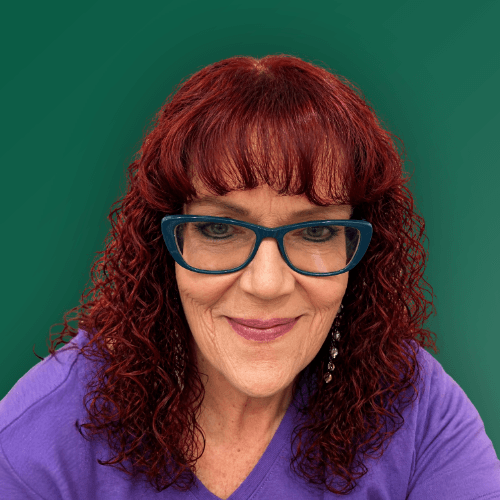
Tamara Miller
she/herLicensed Clinical Social Worker (LCSW)

 Dual Diagnosis, Addiction, Alcohol Use, Depression, Anxiety
Self pay costs
Out-of-pocket session costs for clients who don’t have insurance or aren’t covered by their insurance for mental health services.
I'm Tamara Miller, a licensed clinical social worker in Texas and Utah with a master's degree in social work focused on addiction and recovery. I work with individuals experiencing co-occurring substance use and mental health challenges, helping them navigate recovery, maintain sobriety, and build healthier, more stable lives. My approach is compassionate, client-centered, and grounded in supporting lasting change.
I use evidence-based approaches including cognitive behavioral therapy (CBT) and dialectical behavior therapy (DBT), along with strategies that promote positive mindset shifts, helping clients build healthier thought patterns, develop coping skills, and support meaningful growth and healing.
You don't have to navigate this alone. I'm here to support you with care, understanding, and respect every step of the way. If you're ready to move toward a healthier, more balanced life, I invite you to reach out and schedule an appointment when you feel ready.

"As one who has experienced mental health and substance abuse issues, I have an authentic understanding of the impact that improving mental health can provide the tools necessary for recovery."
Why did you decide to become a counselor or psychiatric provider?
I chose to become a therapist because of my personal connection to mental health and substance use within my family. Growing up, I saw firsthand the challenges individuals and families face when navigating addiction, trauma, and mental health struggles, as well as the gaps that can exist in support and understanding. Those experiences shaped my perspective and motivated me to pursue a path where I could make a meaningful difference.
What types of clients do you work best with?
I work best with individuals who are navigating challenges related to substance use, mental health, trauma, and grief. Many of my clients are seeking support during difficult or transitional periods in their lives and are looking for a safe, nonjudgmental space to process their experiences. I tend to connect well with clients who are open to selfexploration and motivated to better understand themselves, even if they’re unsure where to start. This includes individuals who may feel stuck, overwhelmed, or impacted by past experiences, as well as those working toward recovery from addiction or coping with loss. I also work well with clients who value a collaborative approach to therapy. I see the therapeutic relationship as a partnership, where we work together to identify goals, build coping skills, and create meaningful, lasting change at a pace that feels right for them.
What's one thing you wish all clients knew about therapy, mental health, or the healing process?
One thing I wish all clients knew is that healing is not a linear process. There will be progress, setbacks, and moments that feel unclear or uncomfortable—and that’s a normal part of growth, not a sign of failure. Therapy isn’t about having all the answers right away or “fixing” everything quickly. It’s about creating space to understand yourself more deeply, build awareness, and develop tools that support long-term change. Even small insights or shifts can lead to meaningful progress over time. Most importantly, you don’t have to go through it alone. Having a consistent, supportive space to process your experiences can make a significant difference in how you navigate challenges and move toward healing.
What can clients expect in their first session with you and in the early stages of therapy?
In the first session, clients can expect a welcoming, nonjudgmental space where we begin getting to know each other. We’ll talk about what brings you to therapy, any current concerns, and what you hope to gain from the process. I may ask some questions about your background, mental health history, and any relevant life experiences, but there’s no pressure to share more than you feel comfortable with. The early stages of therapy are focused on building trust and creating a strong therapeutic relationship. We’ll work together to clarify your goals and identify areas you’d like to focus on, while also beginning to explore patterns, challenges, and strengths. I’ll meet you where you are, moving at a pace that feels safe and manageable. You can also expect collaboration—this is a partnership. As we move forward, we may introduce coping strategies, tools, or approaches tailored to your needs, while continuing to check in on what’s working and adjust as needed. The goal early on is to help you feel supported, understood, and grounded as we begin the work together.
What personal experiences or values inform your practice as a therapist/provider?
My practice is shaped by both personal experience and a strong belief in the importance of compassionate, individualized care. Growing up with exposure to mental health challenges and substance use within my family gave me a deeper understanding of how these issues affect not only individuals, but entire support systems. It also showed me how important it is to have access to support that is both empathetic and effective. I value creating a space where clients feel safe, respected, and free from judgment. I believe that each person’s story is unique, and therapy should reflect that—there’s no one-sizefits-all approach to healing. My work is grounded in meeting clients where they are, honoring their pace, and recognizing their strengths while supporting them through challenges. I also place a strong emphasis on authenticity, trust, and collaboration. I see therapy as a partnership, where clients are the experts of their own experiences, and my role is to guide, support, and provide tools that help them move toward meaningful and lasting change.
How do you tailor therapy to meet each client’s unique needs?
I tailor therapy by starting with a strong focus on understanding each client’s unique experiences, goals, and preferences. No two people come into therapy with the same story, so I take time to learn what’s most important to you, what challenges you’re facing, and what you hope to gain from our work together. From there, I adapt my approach to fit your needs rather than applying a onesize-fits-all model. This may include integrating different therapeutic techniques—such as skillsbased strategies, traumainformed care, or approaches that support recovery from substance use—depending on what is most helpful for you. I also consider your pace, comfort level, and readiness for change, adjusting as we go. I regularly check in to make sure therapy feels relevant and effective, and I welcome feedback so we can make changes if something isn’t working. My goal is to create a collaborative, flexible process where you feel supported, understood, and actively involved in your own growth.
- Years in practice
- 6 years
- Graduating institute
- Walden University
- Graduating degree
- Master of Social Work


