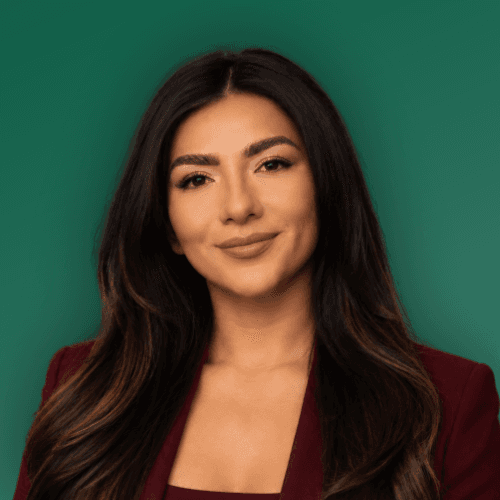
Sbeidy Cruz
she/herLicensed Professional Counselor Associate (LPCA)

 Anxiety, Depression, Life Transition, Parenting, School Issues, Self Esteem, Seniors & Geriatric, Sexual Abuse, Spirituality, Sports Performance

Self pay costs
Out-of-pocket session costs for clients who don’t have insurance or aren’t covered by their insurance for mental health services.
I am a bilingual (English and Spanish) Licensed Professional Counselor Associate (LPC-Associate) with a Master’s degree in Clinical Mental Health Counseling from Lamar University. My experience includes working with children, adolescents, and adults navigating trauma, anxiety, depression, emotional regulation difficulties, life transitions, and relationship challenges. I am especially passionate about working with neurodivergent individuals who want to strengthen their social skills and develop a deeper mind-body connection. My goal is to provide a supportive environment where you feel heard, understood, and empowered.
In therapy, I use Cognitive Behavioral Therapy (CBT), Solution-Focused Brief Therapy (SFBT), and a trauma-informed approach to help clients recognize patterns and develop skills for everyday life. I also incorporate psychoeducation on how the brain and body work together. I work collaboratively, allowing clients to move at their own pace.
I understand that reaching out for help isn’t always easy, especially when you’re used to handling things on your own. You don’t have to have everything figured out before starting therapy. We can work together to understand what you’re experiencing and find a way forward that feels right for you. When you’re ready, I invite you to schedule an appointment.


"As a bilingual therapist with a passion for understanding how our experiences shape our thoughts, emotions, and behaviors, I strive to help individuals reconnect with themselves, recognize their strengths, and develop the tools to navigate life's challenges."
Why did you decide to become a counselor or psychiatric provider?
I have always been curious about why people think, feel, and behave the way they do, and how our experiences can shape the way we see ourselves and the world around us. As I learned more about psychology, I became especially interested in how trauma and stress affect not only our mental health but also our bodies. Through my experience working with individuals from different backgrounds, I realized how important it is for people to feel heard, understood, and supported without judgment. I decided to become a counselor because I wanted to do more than just help people work through difficult situations. I wanted to help them understand themselves, recognize their strengths, and learn how to make meaningful changes in their lives. I believe that when we begin to understand why we respond the way we do, we can start making choices that help us feel more confident and in control of our lives.
What types of clients do you work best with?
I enjoy working with children, adolescents, and adults who want to better understand themselves and the reasons behind their thoughts, emotions, and behaviors. I especially enjoy working with neurodivergent individuals who may struggle with social interactions, emotional regulation, masking, or feeling misunderstood by others. I also enjoy helping individuals who have experienced trauma, anxiety, low self-esteem, or difficult life transitions and want to develop healthier ways of coping. I work best with clients who are curious about themselves and open to exploring how their past experiences may influence their present challenges. Whether you're looking to build confidence, strengthen relationships, feel more connected to your body, or simply understand why you respond the way you do, I enjoy helping clients discover their strengths and find strategies that work for them.
What's one thing you wish all clients knew about therapy, mental health, or the healing process?
I wish more people knew that healing isn't about changing who you are or getting rid of every uncomfortable thought or emotion. It's about learning to understand yourself, recognizing why you respond to certain situations the way you do, and developing healthier ways to navigate those experiences. Our minds and bodies are constantly responding to what we've been through, and sometimes the patterns we've developed were once ways of protecting ourselves. I believe that when we begin to understand those patterns instead of judging ourselves for them, we create opportunities for growth and meaningful change. Healing takes time, and progress isn't always a straight line, but even small changes can make a difference.
What can clients expect in their first session with you and in the early stages of therapy?
During our first session, my priority is getting to know you and understanding what brought you to therapy. I want to learn about your experiences, the challenges you're facing, and what you hope to gain from our time together. We'll talk about your background, discuss any questions or concerns you may have, and begin identifying goals that are meaningful to you. I understand that opening up to someone new can feel uncomfortable, so I don't expect you to share everything right away. As we continue working together, we'll explore patterns in your thoughts, emotions, and behaviors, and how your past experiences may be influencing your present. I also like to incorporate education about how the brain and body respond to stress and emotions, so you can begin understanding not just what you're experiencing, but why. My goal is for you to feel comfortable asking questions, being yourself, and knowing that we are working together at a pace that feels right for you.
What personal experiences or values inform your practice as a therapist/provider?
One of the values that guides my work as a therapist is my belief that everyone has the capacity to grow and make positive changes in their lives, regardless of their past experiences or decisions. I don't believe that any mistake or difficult chapter in someone's life makes them unworthy of compassion, understanding, or another opportunity to grow. I understand that we are all human, and sometimes the choices we make are influenced by experiences, emotions, or circumstances we may not fully understand at the time. I don't see people as broken or needing to be fixed. I see individuals who have their own stories, strengths, and the ability to learn and grow. My goal is to create a space where clients feel comfortable being honest about their experiences without fear of judgment, knowing that I will see them as a whole person rather than define them by their past.
How do you tailor therapy to meet each client’s unique needs?
I believe that therapy should never be a onesize-fits-all approach because no two people experience life in exactly the same way. I take the time to understand each client's background, experiences, strengths, and the challenges they may be facing before deciding what approaches may work best for them. I primarily use CBT, Solution-Focused Brief Therapy, and traumainformed techniques, but I also recognize that what works for one person may not work for another. Some clients benefit from talking through their experiences, while others may benefit more from practical exercises, visual examples, or learning how their brain and body respond to certain situations. I also consider each client's comfort level, communication style, and individual goals, especially when working with neurodivergent individuals. I like to involve my clients in the process and encourage them to share what is or isn't working so we can make adjustments together. Ultimately, I want therapy to feel like something we're working on together rather than something I'm simply telling you to do.
- Years in practice
- 5 years
- Graduating institute
- Lamar University
- Graduating degree
- Master of Education in Clinical Mental Health Counseling