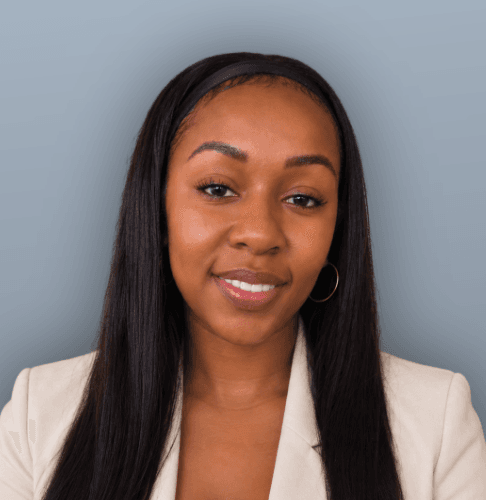
Lori Amin
she/herLicensed Clinical Social Worker (LCSW)

 Trauma / PTSD, Anxiety, Depression, Life Transition, Self Esteem, Relationships, Grief

Self pay costs
Out-of-pocket session costs for clients who don’t have insurance or aren’t covered by their insurance for mental health services.
I’m a Licensed Clinical Social Worker (LCSW) with a Master of Social Work degree from Texas Tech University, earned in 2018. My professional background includes nearly a decade of experience supporting individuals and families navigating mental health challenges, substance use, trauma, domestic violence, and significant life transitions. I’ve always been drawn to the beauty in things we sometimes overlook—the colors of a bird, the changing light, a melody that says what words cannot. We don’t have to be perfect to be worthy. I believe there is something deeply human about sharing our struggles and feeling less alone in them.
In my clinical work, I take a somatic- and trauma-informed approach, integrating CBT, ACT, DBT, Solution-Focused Therapy, and person-centered interventions. I work with individuals navigating anxiety, depression, trauma, relationship challenges, and self-esteem. I value meeting people where they are and helping them recognize their strengths.
I believe every person deserves to feel respected, accepted, and understood without fear of shame or judgment. My goal is to create a space where you can show up as you are and feel that your perspective matters. It’s an opportunity to understand yourself and develop the tools and confidence to move forward. Life doesn’t have to be perfect to be meaningful.

"I’ve always been drawn to the beauty in the things we sometimes overlook: the colors of a bird, the changing light, a melody that says what words cannot, or the imperfections that make a piece of art its own. I think life is much the same. We don’t have to be perfect to be worthy, and sometimes it’s not our circumstances that change, but the way we begin to see them. I believe there is something deeply human, and even sacred, about being able to share our struggles and feel less alone in them. My hope is to offer a space where you can show up as you are, without shame or judgment, feel genuinely seen and understood, and perhaps leave with a little more lightness, a different perspective, and a renewed sense of what’s possible. "
Why did you decide to become a counselor or psychiatric provider?
I think I became a therapist because I've always been genuinely interested in people and the human experience. I've always been curious about why people think, feel, and behave the way they do, and how our experiences shape the way we navigate the world and relate to one another. I deeply value connection and believe in the importance of having spaces where people feel safe enough to show up authentically, without fear of judgment. I think there's something incredibly meaningful about being able to meet someone where they are, understand their experiences, and help them make sense of things they may have spent years trying to navigate on their own. I also believe that people are more than the things they've experienced or the ways they've learned to survive. I'm drawn to the opportunity to help people develop a deeper understanding of themselves, recognize their patterns, reconnect with their strengths, and realize that change is possible. Ultimately, I think I became a therapist because I believe in the power of human connection, selfdiscovery, and the possibility of doing life differently.
What types of clients do you work best with?
I work best with individuals who are open to exploring themselves and their experiences, even if they aren't entirely sure where to begin or what needs to change. I recognize that coming to therapy doesn't always mean having the language, insight, or clarity to identify what's wrong. Sometimes people simply know they're overwhelmed, feeling stuck, navigating a difficult transition, or wanting something different for themselves. I'm particularly drawn to working with individuals navigating trauma, anxiety, depression, relationship challenges, attachment patterns, grief, and significant life transitions. I enjoy helping people explore how their experiences have shaped their beliefs, behaviors, relationships, and the ways they show up in the world. An important part of my approach is creating a space where people feel comfortable showing up exactly as they are, without pressure to have everything figured out. I value meeting people where they are, holding space for the uncertainty, and helping them develop insight and awareness at their own pace. I believe meaningful change often begins with feeling safe enough to be curious about ourselves. At the heart of my work, I enjoy working with people who are willing to explore the possibility of doing things differently, even when they aren't sure what that looks like yet. My goal is to help clients feel seen, understood, and empowered to make meaningful changes that align with the lives they want to create. I don't need clients to come into therapy knowing what needs to change. I want to create a space where they feel safe enough to discover it.
What's one thing you wish all clients knew about therapy, mental health, or the healing process?
One thing I wish every client understood about therapy and the healing process is that sometimes, it really does suck. Growth can be uncomfortable, confronting, and exhausting. There may be moments when things feel harder before they begin to feel better, and that's okay. Healing isn't linear, and it certainly doesn't mean that life will suddenly become perfect once you've reached a certain point. What I hope people learn is that progress isn't always about eliminating the hard days. Sometimes it's recognizing that the hard days don't feel quite as heavy as they once did. Sometimes it's being able to navigate a situation differently, give yourself grace, recognize a pattern, or find joy in moments that may have previously passed you by. I want clients to recognize and really live in those moments when things feel a little lighter. As we learn more about ourselves, identify what works and what doesn't, and develop healthier ways of navigating life, we create more opportunities for those moments of happiness, peace, and joy. The goal isn't to reach a place where everything is perfect all the time. That's an unrealistic expectation of life. The goal is to build a life where difficult moments don't define the entirety of our experience, where we can make room for joy alongside the hard things, and where we begin to recognize that even when life isn't perfect, it can still be really good. The goal isn't to create a life where nothing hurts. It's to create a life where the hard things no longer take up all the space.
What can clients expect in their first session with you and in the early stages of therapy?
I want clients to feel comfortable knowing that their first session is an opportunity for us to get to know one another and begin building a therapeutic relationship. We'll start by reviewing informed consent, confidentiality, and what they can expect from the therapeutic process. From there, we'll spend time getting to know one another, exploring relevant personal history, and discussing what may have brought them to therapy. I'll also share a little about my clinical approach and the modalities I incorporate into my work so clients have a better understanding of what working together might look like. I believe the therapeutic relationship is an important part of the process, so I want clients to have the opportunity to determine whether they feel comfortable, understood, and connected in our work together. Therapy should feel like a collaborative process, and finding the right fit matters. In the early stages of therapy, we'll begin identifying what clients hope to gain from the experience, what they would like to see change, and what feels most important to them. Together, we'll explore realistic and tangible goals, incorporate reflection and selfdiscovery, and develop a treatment plan that reflects their individual needs and priorities. My goal is for clients to leave those initial sessions with a better understanding of the therapeutic process, a sense of direction, and the reassurance that they don't have to have everything figured out before we begin. We'll work through that together, one step at a time.
What personal experiences or values inform your practice as a therapist/provider?
The way I approach therapy is shaped by my belief that there is always more to someone's story than what we initially see. I'm interested in understanding the experiences, relationships, and environments that influence who we become, how we navigate challenges, and the ways we relate to ourselves and others. My professional experiences working with individuals and families navigating trauma, addiction, domestic violence, mental health challenges, and significant life transitions have shaped the way I approach people and their stories. Those experiences have reinforced the importance of looking beyond the surface and understanding the experiences, relationships, and circumstances that influence how people show up in the world. I value authenticity, compassion, empowerment, and creating spaces where people feel safe enough to be honest with themselves. I also believe that people deserve to have a voice in their own healing. My role isn't to tell someone who they should be or what decisions they should make, but to help them develop a deeper understanding of themselves, recognize their strengths, and feel empowered to make meaningful changes. What I hope clients take away from working with me is that they don't have to have everything figured out to begin moving in a different direction. I want them to feel supported in exploring what has shaped them, recognizing what no longer serves them, and discovering new possibilities for themselves.
How do you tailor therapy to meet each client’s unique needs?
I believe therapy should be as individual as the person sitting across from me. Everyone comes into therapy with different experiences, perspectives, strengths, and needs, so I don't believe in taking a one-size-fits-all approach. I tailor my approach by taking time to understand each client's background, current circumstances, personal goals, and what they hope to gain from therapy. I draw from a variety of therapeutic approaches, including CBT, ACT, DBT, solutionfocused, person-centered, and somatic-based interventions, depending on what feels most appropriate and beneficial for the individual. I also recognize that what someone needs from therapy may change over time. There may be moments when exploring past experiences and patterns is important, while other times the focus may be on developing practical coping skills, strengthening emotional regulation, establishing boundaries, or navigating a current challenge. I value collaboration and believe clients should have an active voice in determining the direction of their therapy. My goal is to remain flexible, intentional, and responsive to each person's needs while creating an environment where they feel supported, challenged when appropriate, and empowered throughout the process.
- Years in practice
- 11 years
- Graduating institute
- Texas Tech University
- Graduating degree
- Master of Social Work