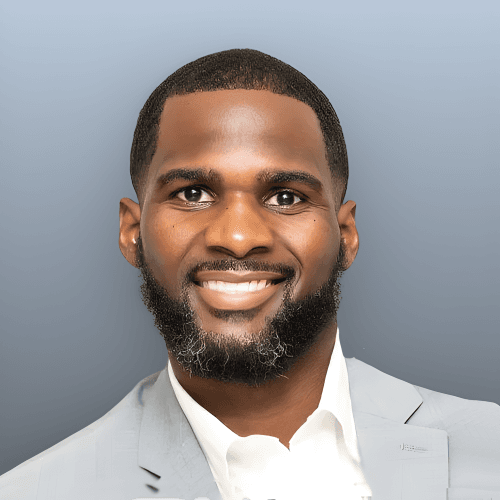
Giorgio Durham
he/himLicensed Professional Counselor (LPC)

 Bipolar Disorder, Depression, Grief, Relationships, Trauma / PTSD, Stress / Mental Stress / Work Stress, Anxiety
Self pay costs
Out-of-pocket session costs for clients who don’t have insurance or aren’t covered by their insurance for mental health services.
I am a licensed professional counselor (LPC) with 12 years of experience supporting individuals through emotional, relational, and personal growth challenges. I work with adults navigating anxiety, relationship stress, family conflict, trauma, and major life transitions. I also support clients who want to better understand themselves, improve communication, and break patterns that no longer serve them.
I earned my master’s degree in rehabilitation counseling from Langston University. My clinical approach is grounded in evidence-based, trauma-informed care and integrates cognitive behavioral therapy, attachment-focused work, and person-centered therapy. I emphasize emotional regulation, insight-building, and practical skill development.
My style is warm, collaborative, and supportive, creating a space where you can feel safe exploring what lies beneath the surface. Whether you are healing from past experiences, strengthening relationships, or reconnecting with your sense of self-worth, I will walk alongside you with honesty and compassion as you move toward meaningful, lasting change.

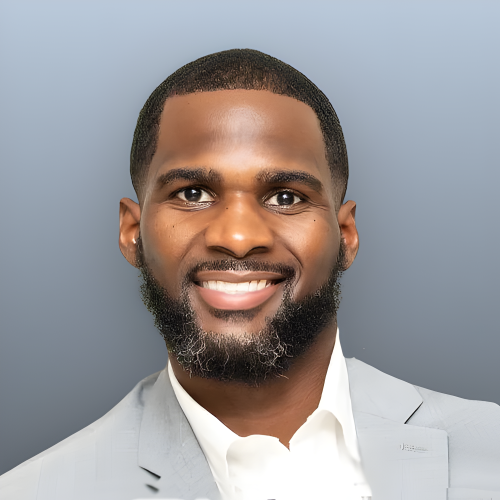
"I believe healing begins with feeling truly seen, and my approach is grounded in creating a space where you can show up authentically without judgment, pressure, or pretending to be okay."
Why did you decide to become a counselor or psychiatric provider?
I chose to become a counselor because I’m deeply passionate about mental and emotional well-being and I believe everyone deserves a space where they can explore their struggles without fear or judgment. Over time, I saw how many people carry burdens alone rather its stress, relationship challenges, unresolved emotions, or past experiences that still shape who they are today. I wanted to be someone who could sit with them in those moments, help them make sense of what they’re feeling, and guide them toward healthier, more fulfilling ways of living.
For me, counseling is a way to empower people with tools that create meaningful and lasting change in their daily lives, whether that’s learning to communicate more effectively, regulate emotions, strengthen relationships, or understand themselves on a deeper level. I’m inspired by the resilience people show when given the right support and it’s an honor to help clients uncover their strengths and move toward the life they want to build. Becoming a counselor wasn’t just a career choice, it was a commitment to helping others create healthier patterns, heal from old wounds and grow into the most grounded version of themselves.
What types of clients do you work best with?
I work best with clients who are honest, open and ready to do the real work even if that means starting small. People who want to communicate better, understand their emotions, build stronger relationships, and break old habits tend to connect well with my style. I am a therapist who is supportive, real and genuinely invested in your growth, we’ll be a good fit.
What's one thing you wish all clients knew about therapy, mental health, or the healing process?
I wish all clients knew that healing isn’t about being perfect. it’s about being honest with yourself, showing up even when you feel uncertain and giving yourself permission to grow at your own pace. Therapy isn’t a place where you have to have the right words or the right answers; it’s a space where you’re allowed to be messy, confused, emotional, or unsure. What matters most is the willingness to be open and curious about your experience. Small steps forward count just as much as breakthroughs and the moments when you feel stuck often become the moments of greatest insight. Healing unfolds not because you try harder, but because you allow yourself to slow down, feel and be supported.
What can clients expect in their first session with you and in the early stages of therapy?
Clients can expect the first session with me to be relaxed, welcoming and focused on getting to know you as a whole person not just your struggles. I’ll ask about what brought you to therapy, what you’re hoping to work on, and what feels important for me to understand about your life, relationships and experiences. There’s no pressure to share everything at once. You can open up at a pace that feels comfortable and safe. I’ll also explain how therapy works, answer any questions you have and collaborate with you to identify your goals. My priority in that first meeting is to help you feel heard, supported and grounded.
In the early stages of therapy, you can expect us to build a strong foundation of trust and clarity. We’ll explore patterns in your thoughts, behaviors and emotions. I’ll help you develop practical tools to navigate stress, communication difficulties, emotional regulation, or relationship concerns. You can expect a space where you don’t have to have it all figured out. We’ll take things step by step, honoring your pace and your process as we work toward the changes you want to see.
What personal experiences or values inform your practice as a therapist/provider?
My work as a therapist is deeply shaped by the belief that people grow best in environments where they feel safe, respected and genuinely understood. I value authenticity and compassion, those values guide every interaction I have with clients. I’ve seen how powerful it can be when someone finally feels permission to speak openly about their inner world and that drives me to create a space where clients don’t have to filter themselves or feel alone in what they’re carrying.
I’m also guided by the understanding that everyone’s story is shaped by their family, culture and lived experiences. That healing often requires looking beneath the surface. My practice is rooted in the idea that people can change, grow and break patterns even when those patterns have been around for years. I bring patience, empathy and a nonjudgmental presence so clients can explore their fears, hopes and vulnerabilities at a pace that feels safe.
How do you tailor therapy to meet each client’s unique needs?
I tailor therapy to each client by first taking the time to understand their unique experiences, goals and challenges. Every person brings different strengths and ways of coping so I collaborate with clients to create a treatment approach that fits their individual needs. This can include combining evidence-based strategies like cognitive-behavioral techniques, emotion-focused interventions, or mindfulness practices with more relational or exploratory approaches, depending on what resonates most.
- Years in practice
- 12 years
- Graduating institute
- Langston University
- Graduating degree
- Master of Science in Rehabilitation Counseling