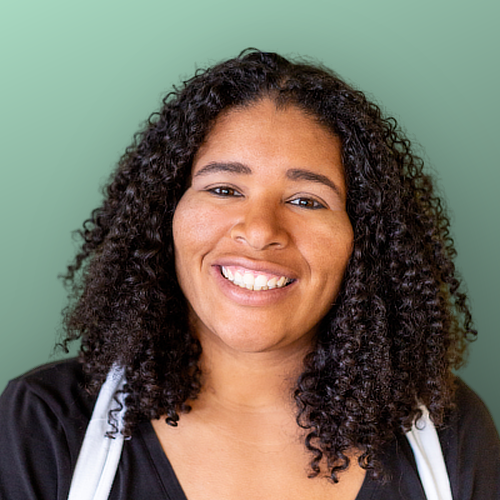
Amber Dobbs
she/herLicensed Professional Counselor Associate (LPCA)

 Anxiety, Depression, Mood Disorders, Trauma / PTSD, Relationships
Self pay costs
Out-of-pocket session costs for clients who don’t have insurance or aren’t covered by their insurance for mental health services.
I'm a licensed professional counselor associate (LPC associate) and a graduate of Texas A&M University–Central Texas. My experience spans a continuum of care, from inpatient treatment to intensive outpatient and outpatient settings, including a year-long internship at an inpatient hospital. I have also facilitated violence prevention groups and worked with court-mandated individuals. My approach is grounded in Cognitive Behavioral Therapy (CBT). While I do not currently specialize in one specific area, I'm committed to continually expanding my knowledge across a broad range of mental health concerns and client populations.
My approach to counseling is grounded in the belief that you have the power and the reins in your own life. I see my role as a sounding board, guide, and supportive partner. Stress management is an important part of my approach. I also believe counseling should consider the whole person—work, relationships, children, and pets all influence wellbeing.
I recognize choosing to begin counseling is a meaningful decision, and I don't take the time you share with me for granted. One of the quotes I've carried with me is, "Be the leader you wish you had." That idea reflects how I strive to show up—with honesty, compassion, respect, and genuine care. If you feel ready, I invite you to schedule an appointment.


"As a mixed-race, seven-year married, retired Army Veteran, with a blended family I have been honored with life experience that translates on multiple levels. Hello, I'm Amber, a Licensed Professional Counselor Associate (LPC-A) specializing in Clinical Mental Health Counseling. I believe that counseling is a collaborative therapeutic partnership built on trust, respect, and authenticity. I view each client as an expert on their own life, while my role is to provide guidance, clinical expertise, and support as we work together toward meaningful and lasting change. My goal is to create a safe, compassionate, and nonjudgmental environment where clients feel heard, understood, and empowered. I strive to help individuals develop the insight, skills, and confidence needed to overcome anything. The first session is an opportunity for us to get to know one another and begin building a strong therapeutic relationship. We will review confidentiality, discuss your concerns, explore what has brought you to counseling, and identify your goals for treatment. Together, we will develop an individualized plan that reflects your values, strengths, and desires Working with adolescents, families, couples, veterans, and active-duty military has provided me with extensive experience treating trauma and trauma-related concerns, as well as anxiety, depression, crisis intervention, and adjustment difficulties."
Why did you decide to become a counselor or psychiatric provider?
Growing up, I watched many people I loved navigate significant challenges and periods of illness. Those experiences shaped me from an early age and created a strong desire to help others when life becomes difficult. I knew I wanted to dedicate my life to finding a way to be an asset to someone during some of their hardest moments. Becoming a counselor allows me to do that in a meaningful way. I believe that sometimes people don’t need someone to fix their problems—they need someone willing to sit with them, listen without judgment, and help them find their way forward. I am grateful for the opportunity to be that person for my clients and to support them as they discover their own strengths, develop new tools, and work toward the life they want.
What types of clients do you work best with?
I work particularly work well with men, adolescents, professional women, and couples. I especially enjoy working with couples and helping partners improve communication, better understand one another, navigate conflict, and strengthen their relationships. I believe that relationships can be challenging, but they can also be an incredible source of connection, growth, and support. I enjoy working with clients from a variety of backgrounds and life circumstances. My experience has taught me that every person and every relationship brings a unique set of challenges, strengths, and experiences into counseling. I have yet to meet a client whose story did not have a place where I could offer support, perspective, or guidance. I believe there is always something we can work on together, whether that means developing healthier coping skills, managing stress, improving relationships, navigating difficult circumstances, or gaining a better understanding of yourself. My goal is to meet each client where they are, listen to what they need, and help identify practical steps toward meaningful change. I don't believe counseling is about having all the answers—it's about creating a space where we can work together to find the answers that fit your life and your goals.
What's one thing you wish all clients knew about therapy, mental health, or the healing process?
One thing I wish every client knew about therapy is that counseling isn’t about someone giving you advice or telling you how to live your life. Advice rarely creates lasting change when it comes from someone who doesn’t have to live with the outcome. To me, the art of counseling is about mentorship, guidance, and creating a space where you can find your own path forward. My role is to help you look at your circumstances from different perspectives, recognize your strengths, identify areas for growth, and develop the tools to make choices that move you toward a more positive and fulfilling life. You are the person in control of your journey. I’m here to help you navigate it, provide perspective when you need it, and support you as you discover what works best for you.
What can clients expect in their first session with you and in the early stages of therapy?
I believe the first session is imperative to developing a productive and meaningful relationship between the clinician and the client. A strong therapeutic relationship creates the foundation for meaningful growth, so I place a great deal of importance on getting to know you—and giving you the opportunity to get to know me. During our first session, we will begin exploring what brought you to counseling, what you hope to accomplish, and what is happening in your life right now. However, I don't believe our first conversation should feel like an interrogation or a checklist. I want you to feel comfortable, heard, and respected as we begin building trust and understanding. In the early stages of therapy, my focus is on learning who you are as a whole person, understanding the factors that influence your life, and working together to identify goals that are meaningful to you. As that relationship develops, we can begin identifying patterns, building practical skills, and exploring strategies that can help you make meaningful progress. Most importantly, you can expect counseling to be a collaborative process. You remain in the driver's seat of your journey, and I am here as a guide, sounding board, and support along the way.
What personal experiences or values inform your practice as a therapist/provider?
My military career has played a significant role in shaping how I perceive the world and how I approach challenges, relationships, and personal responsibility. The military taught me the importance of resilience, accountability, adaptability, and being willing to show up for others when circumstances are difficult. Those values continue to influence the way I work with my clients. My experience as part of a blended family has also given me a personal perspective on the complexities that can come with family dynamics and relationships. Blended families can require patience, communication, flexibility, and an understanding that every person may experience the same situation differently. These experiences help me appreciate the many variables that can influence an individual's emotional well-being and relationships. Ultimately, I bring these experiences into my practice with the understanding that life is rarely simple or onedimensional. I strive to meet clients where they are, understand the circumstances that have shaped them, and provide a supportive space where they can work through challenges without judgment. My goal is to be a steady, honest, and compassionate presence while helping clients find their own path forward.
How do you tailor therapy to meet each client’s unique needs?
Subjectivity is key when it comes to counseling. Every person is different, and it is impossible for two people to have the exact same experiences, perspectives, or understanding of difficult moments in life. Because of that, I do not believe therapy should be a one-size-fits-all process. I approach each client with the understanding that they are the expert on their own life. My role as a clinician is to listen, learn, and use that knowledge as a resource for guidance rather than assuming I already know what is best for them. I take the time to understand each client's experiences, values, relationships, stressors, strengths, and goals so that our work together is relevant to their individual circumstances. My goal is to meet clients where they are and provide the perspective, tools, and support they need to move toward where they want to be. Sometimes that may involve learning new coping strategies, examining patterns of thinking or behavior, improving communication, managing stress, or simply having a safe space to process what they are experiencing. Ultimately, I believe effective counseling is collaborative. I bring my training and experience to the relationship, while the client brings the expertise of their own life. Together, we can use both to create a path forward that is meaningful and appropriate for them.
- Years in practice
- 1 years
- Graduating institute
- Texas A&M Central Texas
- Graduating degree
- MS in Clinical Mental Health Counseling