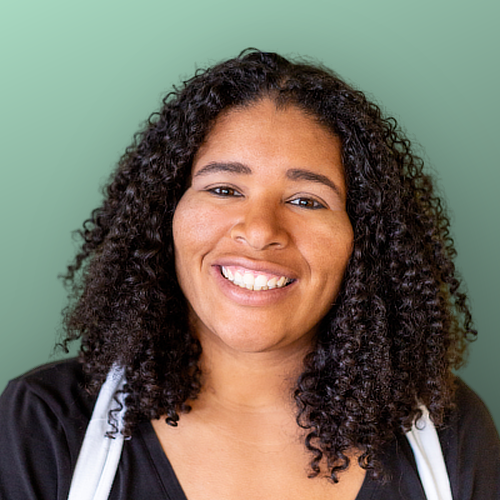
Amanda Anderson
she/herLicensed Master Social Worker (LMSW)

 Adoption, Parenting, Anxiety, Grief, Depression, Self Esteem, School Issues, Caregivers, Coping Skills

Self pay costs
Out-of-pocket session costs for clients who don’t have insurance or aren’t covered by their insurance for mental health services.
I’m Amanda Anderson, a Licensed Master Social Worker with an MSW in Mental Health and Trauma from the University of Denver and TBRI Practitioner certification. I’ve provided counseling and crisis support at Fort Bend Behavioral Health and Sanctuary Foster Care, and I bring eight years of teaching experience. I work with children and families facing trauma, crisis, foster care, reunification, and serious illness. Many feel overwhelmed or unheard. They seek stability, stronger relationships, coping skills, and the right resources so they can heal and move forward so they can heal, grow, and feel hopeful again.
I use a trauma-informed, attachment-based approach as a certified TBRI Practitioner. I specialize in childhood trauma, foster care and adoption, family reunification, crisis support, and serious illness. Clients can expect warmth, patience, and a collaborative plan built on their strengths, helping them feel safer, more connected, and ready to move forward.
Reaching out for support takes courage, and you don’t have to have everything figured out to begin. Whatever brought you here, you deserve to feel heard, supported, and hopeful about what’s ahead. I would be honored to walk alongside you, and I invite you to schedule an appointment whenever you’re ready to take that first step.

"As a mom of two teenagers, a former elementary school teacher, and someone who has cared for a loved one through serious illness, I know firsthand how much it means to have someone who truly listens and walks beside you."
Why did you decide to become a counselor or psychiatric provider?
As an elementary school teacher, I saw how much children carry into the classroom, and how deeply family stress, trauma, and loss shape the way they learn, connect, and feel about themselves. I wanted to do more than notice those struggles; I wanted to help heal them. Volunteering as a CASA advocate for children in foster care confirmed that calling, and I went back to school to earn my MSW. Today, I’m driven by the belief that with the right support, every child and family can find their way to safety, connection, and hope.
What types of clients do you work best with?
I work best with children, teens, and families navigating trauma, loss, or major life changes. That includes foster and adoptive families building trust and attachment, parents who feel stuck or overwhelmed, families going through reunification, and individuals or loved ones coping with a serious illness. I connect especially well with clients who want a warm, collaborative partner and practical tools they can use at home, and with parents who want to understand what their child is feeling and how to help.
What's one thing you wish all clients knew about therapy, mental health, or the healing process?
I wish every client knew that healing isn’t a straight line. There will be good days and hard days, and setbacks don’t erase the progress you’ve made. Small steps, like a calmer morning, an honest conversation, or simply showing up, really do add up. You don’t have to be “fixed” to be worthy of care, and you never have to do it alone.
What can clients expect in their first session with you and in the early stages of therapy?
In our first session, my main goal is for you to feel comfortable. We’ll talk about what brought you in, what’s been hardest lately, and what you’d like to be different. I’ll ask about your background and family, answer any questions you have about how therapy works, and there’s no pressure to share more than you’re ready to. In the early sessions, we’ll keep building trust, identify your strengths, and set a few clear, realistic goals together. For children, those first visits often include play and time with parents so I can understand the whole family. Many clients leave the first few sessions feeling a little lighter, simply because they’ve been heard and have a plan.
What personal experiences or values inform your practice as a therapist/provider?
Many of my values come from my own life. Losing my dad several years ago taught me how grief can quietly change everything, and how much it matters to have people who show up and listen. As an elementary school teacher, I saw that children thrive when they feel understood, and as a child advocate, I saw what happens when they don’t. Being a mom has deepened all of it; I know the worry, love, and hope parents carry for their kids. At the heart of my practice is a simple belief: everyone deserves to feel safe, loved, and heard. I try to create that space for every client.
How do you tailor therapy to meet each client’s unique needs?
I start by getting to know the whole person, their history, family, culture, strengths, and what they hope will change. From there, we build a plan together and adjust it as we go. With children, I use play, movement, and connection-based TBRI strategies that match their age and development, and I bring parents in so progress carries over at home. With adults and families facing illness or crisis, I balance emotional support with practical help, like coordinating resources or planning next steps. I also pay close attention to pace; some clients want to dive in, while others need time to feel safe first, and both are okay.
- Years in practice
- 6 years
- Graduating institute
- University of Denver
- Graduating degree
- Master of Social Work