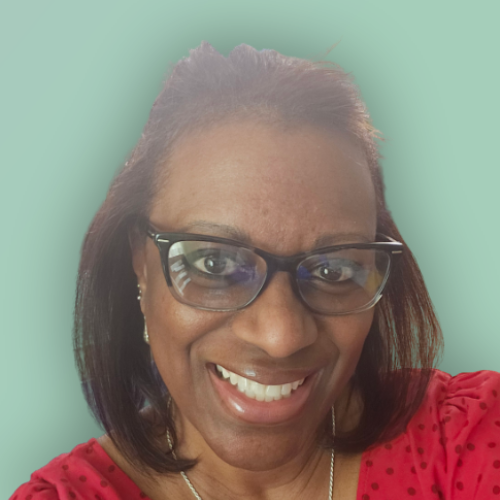
Zachary Maichuk
Psychologist

 Coping Skills, ADHD, Trauma / PTSD, Anxiety, Depression
Self pay costs
Out-of-pocket session costs for clients who don’t have insurance or aren’t covered by their insurance for mental health services.


Zachary Maichuk is a Licensed Clinical Psychologist (LCP) in the state of Pennsylvania who has over 10 years of experience working with a diverse range of clients struggling who are struggling with issues ranging from anxiety, ADHD, depression chronic stress, trauma, schizophrenia, and more.
Zachary earned their Master's degree from the Graduate School of Applied and Professional Psychology at Rutgers University. Zachary uses an integrated approach that combines cognitive behavioral therapy(CBT), mindfulness-based, solutions-focused and psychodynamic theories. They gear their sessions in a way that focuses on establishing initial short-term gains and relief while building the framework for more substantive personal growth and strength.
Zachary will work to connect with you where you are and from there work with you to build your strengths to better help you face your struggles. Zachary helps you to access a large array of therapeutic resources to create a therapy style and plan that is best suited to you as an individual to help you find the best ways to grow and find yourself.
Why did you decide to become a counselor?
People tend to be drawn to jobs that use their strengths, and this allowed me to use them.
What types of clients do you work with best?
It's hard to describe a type that works best. I tend to enjoy the diversity of people I've come to work with.
What’s one thing you wish all clients knew?
Therapy is not instant or easy, nor is it about just feeling better or avoiding bad feelings. My goal as a therapist is to help you to find the best way to grow bigger and stronger than the struggles the world throws at you. Sometimes that can be intimidating or daunting, which is why I work to be just as supportive as I can be challenging as we work together towards this growth.
What inspires you?
Learning something new, whether this about the world or about the person in front of me. This is part of why I feel such a connection with being a therapist. People aren't all the same, each person is unique, and often understanding the unique complexities is important for helping to guide the most important growth.
What can clients expect in their first session with you?
The first session can seem dry, largely because I need to get a lot of info from you to get that picture of who you are. It's usually the subsequent sessions that things become less formal and more open and free flowing.
What do you want to accomplish with an individual in their first session?
The first session is mostly about getting the best initial picture I can about who you are, where you are coming from, what your strengths are, what tools you have already used and developed, what has worked, what hasn't, etc. This is all so I can help to better see where we can both get some early initial progress while also understanding how I can best help with your long term growth.
What should clients know about you before scheduling a first counseling session?
Everyone is nervous coming in the first time. First sessions can be really intimidating. It's why a lot of therapists will ask you for at least a 4 session commitment, because it's usually by then that things start to get more comfortable and settled.
What do you do for fun/on your time off?
In my spare time I am an artist, storyteller, and general wanderer. I like to hike and explore new places, create in my workshop, or entertain friends while enjoying tea or a nice campfire.
What’s one thing about you that defines you (non-professional)?
The fact that I am probably not what you may expect. Before settling down, I spent a lot of time traveling and working with a lot of different people and communities both here in the US and abroad with the Peace Corps. During my crafter days, I connected to a lot of different and unique groups of people and had a lot of experiences to draw from that are not part of the normal every day experiences. This often helps in therapy as it allows for a lot of unique and creative problem solving, as if the answers were simple or easy, you probably would have figured them out on your own already.
- Years in practice
- 10 years
- Graduating institute
- Graduate School of Applied and Professional Psychology at Rutgers University
- Graduating degree
- Doctorate of Psychology