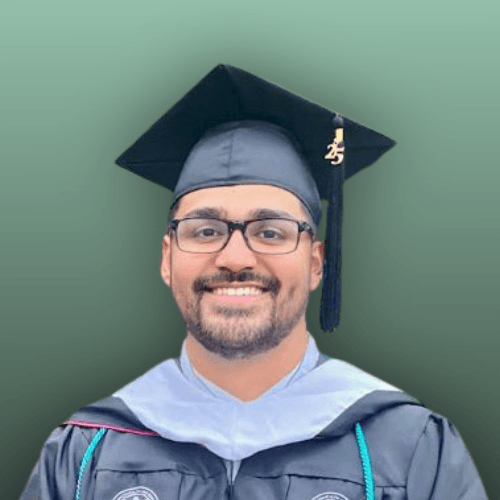
Bryant Rodriguez
he/himLicensed Associated Professional Counselor (LAPC)

 Anxiety, Trauma / PTSD, Codependency, Body Dysmorphia, Self Esteem
Self pay costs
Out-of-pocket session costs for clients who don’t have insurance or aren’t covered by their insurance for mental health services.
I am a licensed associate professional counselor (LAPC) with 6 years of experience supporting individuals navigating anxiety, trauma, crises, and life transitions. I specialize in helping clients explore how past experiences shape their thoughts, emotions, and relationships. My background includes crisis work, inpatient care, and trauma-informed support, and I am passionate about helping clients feel more grounded, confident, and in control of their lives.
I earned my master’s degree in clinical mental health counseling from the Commonwealth University of Pennsylvania. My approach is integrative and client-centered, drawing from cognitive behavioral therapy, motivational interviewing, and solution-focused strategies to help clients challenge unhelpful patterns and build practical coping skills.
I believe everyone has the capacity to heal, even when life feels overwhelming. I strive to create a safe, empathetic space where you feel heard and supported. Together, we can develop tools that foster clarity, resilience, and emotional well-being. When you are ready, I am here to help you take the next step.

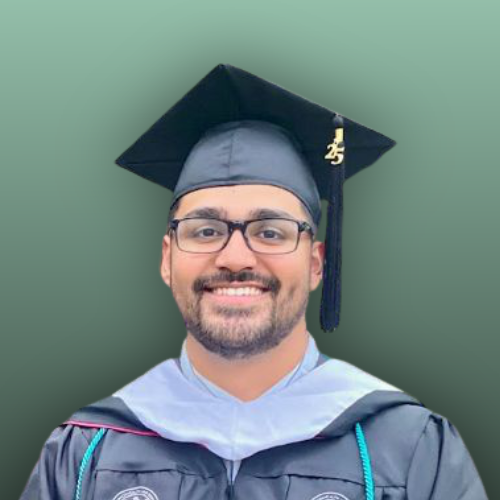
"Having witnessed the realities of trauma, burnout, and resilience firsthand, I strive to create a safe, nonjudgmental space where clients can explore their experiences and build confidence in their healing journey."
Why did you decide to become a counselor or psychiatric provider?
I became a counselor because I wanted to help people in their hardest moments. I spent time as a crisis counselor and nursing assistant and saw how much healing is possible when someone feels heard and supported. Those experiences, and my belief that human connection changes outcomes, pushed me to learn the skills to walk with people through trauma, anxiety, and life transitions.
What types of clients do you work best with?
I work best with clients who have a history of trauma and are beginning to notice how those past experiences still show up in their daily lives, relationships, and sense of self. I’m especially drawn to supporting people who want to understand how their early stories shaped them and are ready to explore new ways of coping, healing, and growing beyond what they’ve been through.
What's one thing you wish all clients knew about therapy, mental health, or the healing process?
Therapy isn’t a quick fix but a collaborative process of small steps, practice, and self-compassion; progress often looks gradual and sometimes messy, but consistent effort and a safe therapeutic relationship make meaningful change possible.
What can clients expect in their first session with you and in the early stages of therapy?
In the first session we’ll focus on connection and safety: I’ll ask about what brought you in, your goals, your history, and any immediate concerns (including safety). We’ll clarify confidentiality, start building rapport, and make a practical plan for the next few sessions.
What personal experiences or values inform your practice as a therapist/provider?
My own trauma and upbringing play a meaningful role in how I show up as a therapist — they taught me the importance of compassion, safety, and being truly heard. Working in an inpatient facility and in crisis counseling also shaped my practice; I saw firsthand how much it meant for people to simply have someone sit with them, listen without judgment, and offer steady support. Those experiences guide my values today: authenticity, empathy, and creating a space where clients feel seen, understood, and never alone in their healing.
How do you tailor therapy to meet each client’s unique needs?
I begin with a collaborative assessment to learn how you think, learn, and cope. From there I blend approaches — CBT for patterns and skills, motivational interviewing for ambivalence, trauma-informed techniques for safety and processing, and person-centered work for relational trust. I adapt pace, language, and tools to fit each client’s preferences, culture, and goals so therapy feels relevant and doable.
- Years in practice
- 6 years
- Graduating institute
- Commonwealth University of Pennsylvania
- Graduating degree
- Master of Science in Clinical Mental Health Counseling