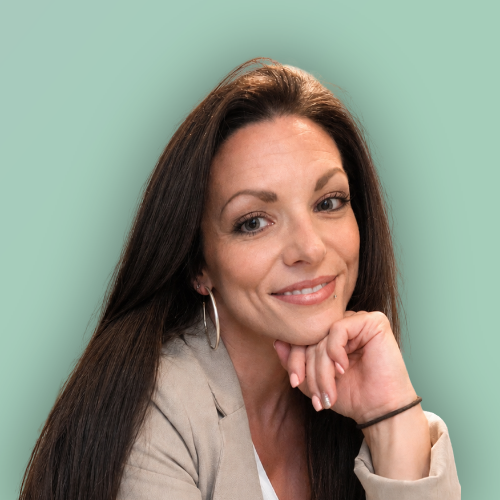
Stephanie Ehrlich-Seitz
she/herLicensed Clinical Social Worker (LCSW)

 Self Esteem, Anxiety, Life Transition, Mood Disorders, Family Conflict, Divorce
Self pay costs
Out-of-pocket session costs for clients who don’t have insurance or aren’t covered by their insurance for mental health services.
Hi, I am Stephanie Ehrlich-Seitz. I have been a licensed clinical social worker since 2011. I initially went to school for environmental health science, but the experience of caring for my terminally ill stepmother led me to pursue a more person-centered field. I enjoy helping people reach their goals through a combination of support, education, problem solving, and coping skills. I work with clients to address factors that hinder their quality of life and interfere with achieving their goals, such as anxiety, grief, depression, low self-esteem, anger management, and difficulty with interpersonal relationships.
I use a multi-faceted approach that includes cognitive behavioral therapy (CBT), acceptance and commitment therapy (ACT), and dialectical behavioral therapy (DBT). I am intensively trained in DBT, which uses aspects of CBT along with a focus on mindfulness and skill building in interpersonal effectiveness, emotion regulation, and distress tolerance.
I enjoy helping others cope with day-to-day stressors and change long-standing negative thoughts and beliefs. This allows us to offer ourselves the same compassion and understanding we would give others without a second thought. Learning to see ourselves in a more neutral and accepting way leads to greater self-esteem and decreased self-doubt and negative judgment—something all of us could use.

"None of us get through life without wounds, but we can learn to heal the wounds, live with the scars and move forward without allowing those things to define us. "
Why did you decide to become a counselor or psychiatric provider?
The experience of caring for my terminally ill step-mother made me realize how being present to support and witness others in their most vulnerable times can be healing and enriching to both parties.
What types of clients do you work best with?
I work best with people who are open to trying new approaches and willing to consider their difficulties in a different light. This is not to say that people are simply thinking about their issues "the wrong way", but it is easy to get stuck in a negative feedback loop of thoughts that keep us at a standstill. A small shift in perspective can create a big enough space to allow for meaningful change.
What's one thing you wish all clients knew about therapy, mental health, or the healing process?
Whatever it is you are struggling with, I promise that no therapist will think it is weird, wrong, abnormal or something to be ashamed of. It is likely something we have heard and helped others deal with.
What can clients expect in their first session with you and in the early stages of therapy?
During our first 1-2 sessions I will gather information to better understand you in the context of your life and personal history. This will include questions about medical and mental health treatment, past and current use of substances, family of origin and current family dynamics, relationship status, employment, social supports, etc. We will work together to clarify your goals for therapy and assess how we will know if you are achieving those goals.
What personal experiences or values inform your practice as a therapist/provider?
My past experience working in a medial hospital, domestic violence shelter and with the homeless has helped to shape my values of unconditional positive regard and respect. I have come to believe that whatever we have done or gone through in life, and wherever we are now, there are numerous contributing factors that led to that outcome and there is always the possibility for growth and improvement.
How do you tailor therapy to meet each client’s unique needs?
I base my approach on past clinical experience, a client's personal preferences and their ongoing feedback as we work together.
- Years in practice
- 13 years
- Graduating institute
- University of Georgia
- Graduating degree
- Master of Social Work in Direct Practice