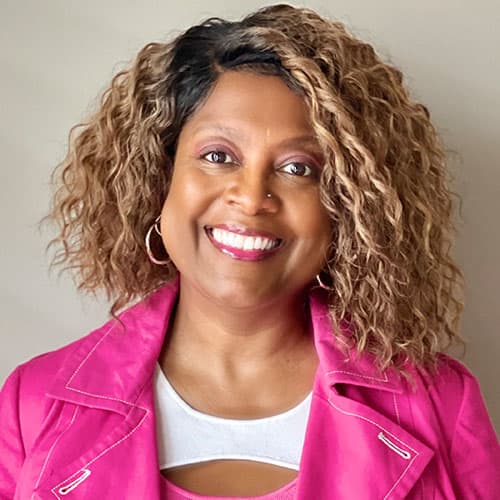
Jacqueline Roberts
she/herLicensed Clinical Mental Health Counselor (LCMHC)

 Emotional Disturbance, Depression, Anxiety, Grief, Life Transition, Stress / Mental Stress / Work Stress, Coping Skills, Self Esteem, Relationships

Self pay costs
Out-of-pocket session costs for clients who don’t have insurance or aren’t covered by their insurance for mental health services.
I earned a Master of Arts degree in Clinical Mental Health Counseling and my Bachelor of Arts in Psychology from Southern New Hampshire University. I am a Licensed Professional Counselor with over three years of experience specializing in anxiety, depression, women’s issues, life transitions, trauma, relationship issues, and self-esteem. I treat adult clients ages 18-64 utilizing Cognitive Behavioral Therapy, Emotionally Focused Individual Therapy, Dialectical Behavior Therapy, and Eye Movement Desensitization and Reprocessing (EMDR). My counseling approach is based on acceptance, safety, nonjudgment, meeting clients where they are.
To assist clients with attaining their therapeutic goals, I use an integrative therapy approach, specifically cognitive behavior therapy and the mind-body connection, which positively impact the brain, nervous system, and body.
Sometimes it is easy to become weighed down by anxiety and depression due to diverse life pressures and situations. I am confident that my collaborative approach and support will allow you to address the root causes of your difficulties on your therapeutic journey in a safe and objective space.


"As an agent of change, I use a sincere yet empowering approach to help people heal and embark on the journey of self-discovery implementing multicultural competence and evidence-based techniques."
Why did you decide to become a counselor or psychiatric provider?
I decided to become a counselor because I have always had a genuine desire to help others feel seen, heard, and supported through some of life’s most difficult experiences. I believe that our experiences can shape how we see ourselves, our relationships, and the world around us, but they do not have to define our future. Becoming a counselor allows me to walk alongside individuals as they gain a deeper understanding of themselves, heal from emotional wounds and trauma, and develop healthier ways of navigating life. It is meaningful to me to provide a safe, compassionate, and nonjudgmental space where clients can uncover their strengths, find hope, and experience meaningful and lasting change.
What types of clients do you work best with?
I work best with adults who are ready to better understand themselves, heal from painful experiences, and make meaningful changes in their lives. Many of the clients I support are navigating trauma, anxiety, grief and loss, relationship challenges, life transitions, low self-esteem, or emotional patterns that have become difficult to manage on their own. I especially enjoy working with clients who want to understand how past experiences may be influencing their present thoughts, emotions, relationships, and behaviors. Through a compassionate, traumainformed approach that may include EMDR, CBT, Attachment-based, and mindbody strategies, I help clients process unresolved experiences, develop healthier patterns, strengthen emotional resilience, and move toward greater peace and well-being.
What's one thing you wish all clients knew about therapy, mental health, or the healing process?
One thing I wish every client knew is that healing is not always a linear process, and you do not have to have everything figured out before beginning therapy. Growth often involves understanding the deeper experiences, beliefs, and emotional wounds that have shaped how you see yourself, relate to others, and respond to life. Therapy is a collaborative process that takes courage, patience, and selfcompassion. There may be difficult moments along the way, but those moments can also create opportunities for greater self-awareness and meaningful change. Healing does not mean erasing your past; it means learning how to move forward without allowing your past to continue defining your present or your future.
What can clients expect in their first session with you and in the early stages of therapy?
During our first session, you can expect a warm, welcoming, and nonjudgmental space where we will begin getting to know one another and discussing what brought you to therapy. I will take time to learn about your concerns, life experiences, strengths, current challenges, and what you hope to accomplish through counseling. You will never be expected to share more than you feel comfortable discussing, and we will move at a pace that supports your sense of safety and readiness.
What personal experiences or values inform your practice as a therapist/provider?
My practice is deeply informed by the values of compassion, empathy, authenticity, acceptance, and respect for each person’s unique journey. I believe our life experiences can profoundly shape how we view ourselves, relate to others, and navigate the world, which is why I approach each client with curiosity rather than judgment. I also value resilience and believe that even after difficult or painful experiences, healing and meaningful change are possible. These values guide me in creating a safe and collaborative therapeutic relationship where clients can explore their experiences, understand the deeper roots of emotional and relational patterns, reconnect with their strengths, and move toward greater emotional well-being and a more fulfilling life.
How do you tailor therapy to meet each client’s unique needs?
I believe therapy should be as unique as the person seeking support, so I take time to understand each client’s experiences, strengths, concerns, goals, cultural background, and personal preferences. Rather than using a one-size-fits-all approach, I work collaboratively with clients to develop a treatment plan that reflects where they are and what they hope to achieve. My integrative approach allows me to draw from EMDR, Cognitive Behavioral Therapy (CBT), attachment-based therapy, trauma-informed care, and mind-body strategies based on each client’s individual needs and readiness. I also adjust the pace and focus of therapy as clients grow and their needs evolve. Whether we are processing trauma, exploring relationship patterns, challenging unhelpful thoughts, developing emotional regulation skills, or strengthening selfawareness, my goal is to provide a personalized therapeutic experience that helps each client feel supported, empowered, and actively involved in their healing process.
- Years in practice
- 6 years
- Graduating institute
- Southern New Hampshire University
- Graduating degree
- Master of Arts in Clinical Mental Health Counseling


