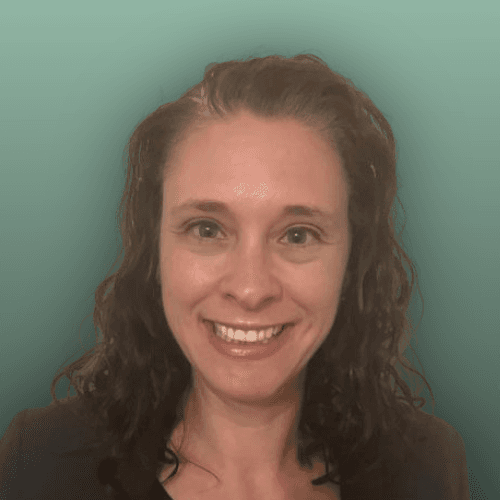
Alison Fennell
she/herLicensed Clinical Social Worker (LCSW)

 LGBTQIA+, Substance Use, Trauma / PTSD, Depression, Anxiety
Self pay costs
Out-of-pocket session costs for clients who don’t have insurance or aren’t covered by their insurance for mental health services.
I am physically disabled licensed clinical social worker (LCSW) with 10 years of experience providing mental health and addiction treatment. My therapeutic approach is collaborative, nonjudgmental, heart-centered, and strength-based, with a strong focus on resilience. I believe the counseling process begins with mutual respect and meeting each client where they are while working together to set meaningful, achievable goals.
I earned my master’s degree in social work from the University of St. Joseph. I use evidence-based and integrative approaches, including person-centered therapy, trauma-informed care, cognitive behavioral therapy, dialectical behavior therapy, motivational interviewing, narrative therapy, somatic techniques, and internal family systems.
My goal is to make mental health and addiction care accessible, supportive, and effective for each individual I serve. I work collaboratively with clients to develop personalized treatment plans that support healing, growth, and long-term well-being. If you are ready to take the next step, I would be honored to support you on your healing journey.

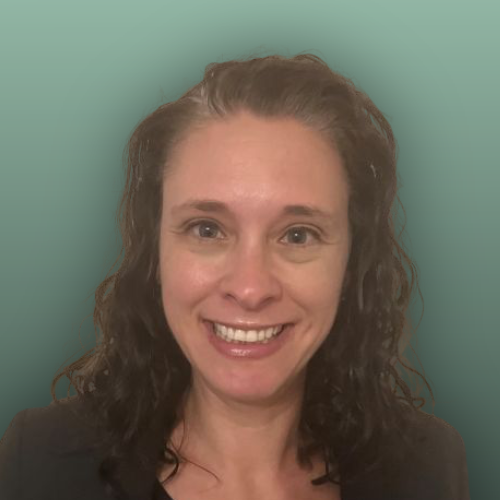
"I bring both professional experience and a lived understanding of narcissistic abuse to a trauma-informed approach that helps clients reclaim clarity, boundaries, and self-trust. "
Why did you decide to become a counselor or psychiatric provider?
I decided to become a therapist because I’ve seen how profoundly people can be impacted by trauma and invalidating relationships, and how transformative it is when someone is finally met with safety, clarity, and compassion. Through both professional experience and deep clinical work with trauma survivors, I’ve learned that healing happens when clients are empowered to understand their patterns without shame and reconnect with their own voice. I’m especially drawn to trauma-informed, mindfulness-based approaches because they help clients build awareness, regulation, and self-trust—skills that create lasting change rather than just symptom relief.
What types of clients do you work best with?
I work best with ages 18-80, including LGBTQIA+ individuals, who are navigating trauma, anxiety, depression, relationship concerns, or the effects of emotionally abusive or narcissistic dynamics.
What's one thing you wish all clients knew about therapy, mental health, or the healing process?
One thing i wish all clients knew is that healing isn't about fixing what's "wrong" with you- it's about understanding your experiences with compassion and learning new ways to support yourself.
What can clients expect in their first session with you and in the early stages of therapy?
In the first session, clients can expect a supportive, nonjudgmental space where we focus on understanding what’s bringing them to therapy and what they hope to gain. In the early stages, we’ll move at a pace that feels safe, build trust, and collaboratively develop goals while introducing grounding and coping tools to support stability and emotional regulation.
What personal experiences or values inform your practice as a therapist/provider?
My practice is informed by both my professional experience and my understanding of the lasting impact of trauma and emotionally abusive relationships. I value empathy, authenticity, and creating a safe, nonjudgmental space where clients feel seen, heard, and empowered to reconnect with their own voice and build lasting resilience.
How do you tailor therapy to meet each client’s unique needs?
I tailor therapy to each client by first understanding their unique experiences, goals, and challenges. From there, I integrate approaches like trauma-informed care, mindfulness-based cognitive therapy, and other evidence-based modalities to meet their specific needs, ensuring that the pace and focus of sessions feel safe, relevant, and empowering.
- Years in practice
- 10 years
- Graduating institute
- University of St. Joseph
- Graduating degree
- Master of Social Work