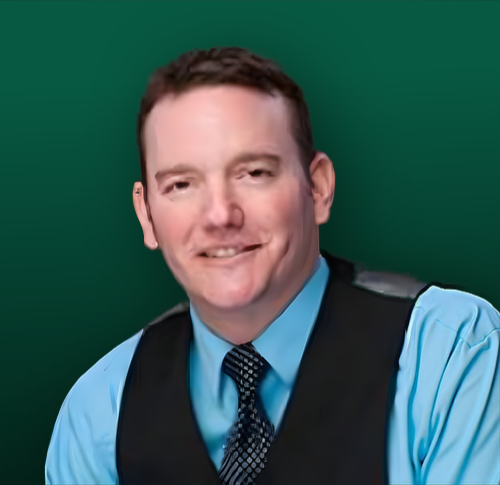
Kurt Ruffley
he/himLicensed Clinical Professional Counselor (LCPC)

 Family Conflict, Depression, Anxiety, School Issues, First Responders, Military / Veteran, Trauma / PTSD
Self pay costs
Out-of-pocket session costs for clients who don’t have insurance or aren’t covered by their insurance for mental health services.
I am a licensed clinical professional counselor (LCPC) with 8 years of experience in the mental health field. I work with veterans, children, families, couples, and adults navigating trauma, stress, relationship challenges, and major life transitions. My approach is grounded in warmth, honesty, and practical support, helping clients build resilience, improve communication, and move toward greater clarity and emotional well-being.
I earned my master’s degree in mental health and rehabilitation counseling from Montana State University–Billings. My background includes service in both the Navy and the Army, as well as experience teaching middle school, which informs my ability to support individuals across developmental stages with structure, empathy, and a real-world perspective.
I believe healing looks different for everyone, and I am committed to providing care that reflects your unique needs and goals. I strive to create a supportive, down-to-earth environment where you can explore challenges, build on your strengths, and move toward a life marked by growth, meaning, and resilience.


"As someone shaped by years of service in the military and in the classroom, I bring a calm, steady presence and a commitment to helping clients grow through clarity, communication, and resilience."
Why did you decide to become a counselor or psychiatric provider?
I chose to pursue a career in mental health leaving my profession as an educator because I saw that the underlying causes for most children when it comes to issues in childhood and school are best treated through mental health counseling/coaching. Additionally, As a combat veteran with my own trauma I found that therapy significantly and positively impacted my life and has allowed me to move forward from the traumatic experiences I was exposed to as a child and a service member.
What types of clients do you work best with?
Veterans and Children
What's one thing you wish all clients knew about therapy, mental health, or the healing process?
Mental Health is health. Just like going for an annual check-up with a physician, your mental wellness is something that should be a focal point of everyone's life and seen on the same level as preventative and acute care.
What can clients expect in their first session with you and in the early stages of therapy?
Therapy with me is collaborative, transparent, and grounded in ethical care. Whether we meet online or in the community, you can expect a supportive space where real change is possible.
We’ll start with an introduction/intake session to ensure my services are a good fit for you.
Our first session is about connection—not perfection. I’ll get to know your story, your hopes, and what you need from therapy, while you get a feel for my style: authentic, honest, and personalized.
From there, we’ll identify meaningful goals rooted in your values and break them into manageable steps. This becomes a clear, intentional plan that evolves with you over time. Ongoing sessions are tailored to your needs. We may explore emotions, strengthen communication, address relationship dynamics, process trauma, or work through practical challenges—always with empathy and integrity.
Therapy is an active, evolving process. We’ll regularly check in to reassess goals, pacing, and approaches so your voice continues to guide the work we do together.
What personal experiences or values inform your practice as a therapist/provider?
Being a third‑generation veteran and navigating childhood abuse, suicide loss, and grief after Iraq have shaped the way I show up as a therapist. These experiences taught me to value courage, connection, and the many ways people find their way forward. I bring that understanding into every session.
How do you tailor therapy to meet each client’s unique needs?
Every client comes in with their own history, strengths, and hopes for change, so I adapt my style to match what they need—sometimes that means slowing down and building safety, other times it means offering direct guidance, skills, or deeper emotional work. Therapy becomes a collaboration that grows with them.
- Years in practice
- 9 years
- Graduating institute
- Montana State University-Billings
- Graduating degree
- Masters of Science, Mental Health Rehabilitation Counseling