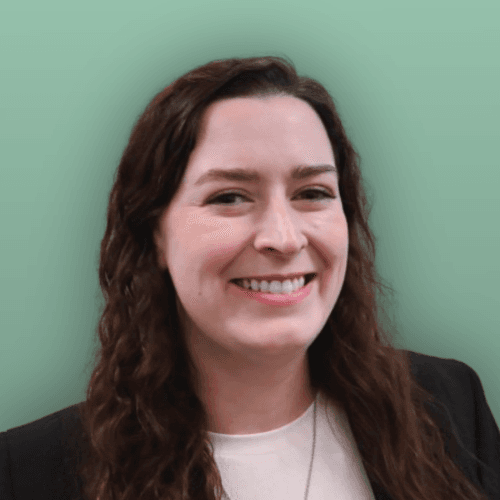
Sarah Lagasse
she/herLicensed Clinical Social Worker (LCSW)

 LGBTQIA+, Relationships, Stress / Mental Stress / Work Stress, Anxiety, Self Esteem, Women’s Issues
Self pay costs
Out-of-pocket session costs for clients who don’t have insurance or aren’t covered by their insurance for mental health services.
I'm Sarah, LCSW (she/her), with a background in anti-poverty, child welfare, and family systems work. Much of my professional experience includes supporting individuals and families navigating financial stress, caregiving roles, system involvement, and intergenerational challenges. I often work with young people and adults who are feeling overwhelmed, burned out, or disconnected while seeking stability, advocacy, and more sustainable paths forward for themselves and their families.
My approach is trauma-informed, relational, and systems-aware. I draw from family systems and strengths-based frameworks, centering safety, collaboration, and self- and community-care. I help clients reflect on patterns, navigate complex systems, and build practical tools rooted in their values and lived experience.
So many people arrive in therapy carrying stress shaped by systems, relationships, and responsibility. I work to create a space where you feel supported, understood, and encouraged to take the next step at your own pace.

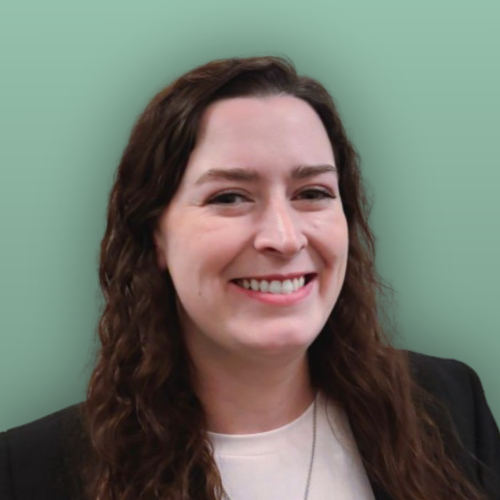
"As a queer clinician, my work centers authentic connection and safety while honoring how lived experience, identity, relationships and larger systems intersect in shaping each person’s story. "
Why did you decide to become a counselor or psychiatric provider?
I decided to become a counselor and social worker because I’ve spent much of my life witnessing how deeply systems, life experiences, relationships and access to resources shape people’s emotional wellbeing. Individuals carry stress, trauma, and responsibility that is too heavy to hold alone. I was drawn to counseling as a way to offer a more relational, grounded space, one that honors people’s lived experiences and helps individuals and families build more sustainable paths towards healing and happiness.
What types of clients do you work best with?
I work best with children, adolescents, young adults, and adults who are navigating stress, family and relationship dynamics, identity exploration, caregiving roles, and the emotional impact of systems involvement. Many of my clients across ages feel overwhelmed, burned out, or stuck in survival mode and are seeking greater stability, understanding, and more sustainable ways of caring for themselves and their relationships.
What's one thing you wish all clients knew about therapy, mental health, or the healing process?
I wish all clients knew that healing is not linear. Progress often includes pauses, setbacks, and moments of uncertainty, many of which reflect how our nervous systems learn safety over time rather than signs of failure.
What can clients expect in their first session with you and in the early stages of therapy?
In the first session, clients can expect a welcoming and grounded conversation focused on getting to know one another and building comfort and trust. We will talk about what brings you to therapy, what you are hoping for, and any immediate concerns, while keeping things collaborative and human. In the early stages of therapy, I prioritize safety, curiosity, and connection, balancing thoughtful reflection with moments of ease and levity when appropriate as we begin to understand patterns and set goals together.
What personal experiences or values inform your practice as a therapist/provider?
My practice is shaped by values of equity, dignity, and collective care. My professional experience in anti‑poverty work, child welfare, and family systems has deeply informed how I understand mental health as connected to social context, power, and access to resources. As a queer clinician, I value authenticity, affirmation, and cultural humility, and I approach therapy with a strong commitment to relational care and collaboration.
How do you tailor therapy to meet each client’s unique needs?
I tailor therapy by starting with each client’s lived experience, goals, and cultural and relational context. I collaborate closely with clients to understand what feels most important, what has and hasn’t worked in the past, and what support looks like for them right now. My approach is flexible and integrative, drawing from person‑centered, attachment‑based, and trauma‑informed practices, while adjusting pace, focus, and tools as needs change. I prioritize safety, choice, and collaboration so therapy feels responsive, meaningful, and grounded in each client’s reality.
- Years in practice
- 10 years
- Graduating institute
- Boston University
- Graduating degree
- Master of Social Work