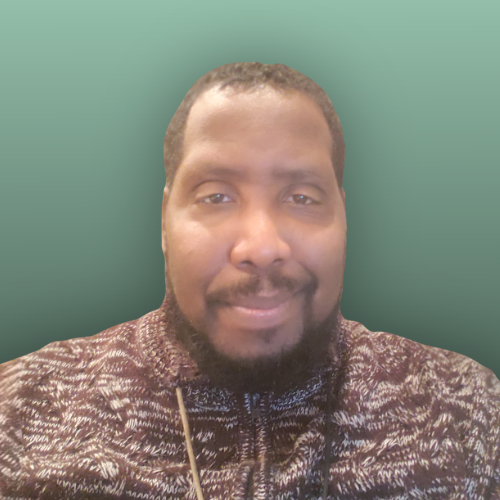
Cedric Rucker
he/himCounselor (Resident In Counseling)

 Depression, Anxiety, Men’s Issues, Military / Veteran, Relationships, Self Esteem
Self pay costs
Out-of-pocket session costs for clients who don’t have insurance or aren’t covered by their insurance for mental health services.
I am a master’s level clinician with 19 years of experience supporting adults, adolescents, and families through life transitions, stress, anxiety, trauma, relationship concerns, and identity exploration. I create a warm and steady space where you can feel seen, understood, and supported as you work toward healing and lasting emotional growth.
I earned my master’s degree in community counseling from Regent University and have developed a clinical approach that blends cognitive behavioral, strength-based, mindfulness-based, and person-centered care. My work is collaborative and tailored to each person’s needs, pacing, and goals.
If you are ready to explore real healing and not just cope through the moment, I will walk with you at a pace that feels safe and empowering. You do not need to have everything figured out to begin. Reaching out is already a powerful step. Together, we can build the tools and insight you need to move forward with confidence.

"I desire to create a space where you can show up exactly as you are—no story sanitation and no respectability performances—because real transformation begins with real acceptance."
Why did you decide to become a counselor or psychiatric provider?
I became a counselor because I’ve witnessed too many people carry wounds in silence, convinced that their pain disqualifies them from healing or that they have to choose between their authentic self and their hope for transformation. As a pastor, I sat with people in their most vulnerable moments—crisis, grief, transition—and realized that while spiritual care was essential, many needed clinical tools and evidence-based interventions to actually process their pain and move beyond the places where they felt stuck. I pursued counseling because I believe everyone deserves a guide who can meet them in the complexity of their struggle—someone who honors both the street-level reality of their circumstances and the deeper work of healing. My calling is to help people stop just surviving and start building the life they actually want to live, equipped with insight, practical skills, and the courage to keep moving forward.
What types of clients do you work best with?
Veteran’s, returning citizens, young adults, adults, and spirituality.
What's one thing you wish all clients knew about therapy, mental health, or the healing process?
Therapy isn’t about steady upward progress. Setbacks aren’t failures; they’re information. Some of your best growth happens in the mess, not despite it.
What can clients expect in their first session with you and in the early stages of therapy?
Initial Session
• Safety and rapport building comes first
• Collaborative goal-setting (what do YOU want different in your life?)
• Assessment that feels like conversation, not interrogation
• Clear discussion of confidentiality, limits, and logistics
• No pressure to share trauma details before you’re ready
Early stages focus:
• Building trust and therapeutic alliance
• Understanding patterns and context, not just symptoms
• Developing immediate coping strategies while we work toward deeper change
• Regular check-ins about whether therapy is feeling helpful
• Transparency about my approach and your options
What personal experiences or values inform your practice as a therapist/provider?
My work with individuals reentering society after incarceration taught me that everyone is more than their worst moment, and that change is possible even in the most challenging circumstances. This shaped my commitment to seeing clients’ strengths alongside their struggles, and to never underestimating someone’s capacity for growth.
As a pastor, I’ve walked with people through crisis, loss, and transformation, which deepened my understanding that healing isn’t just about symptom reduction—it’s about helping people rebuild meaning and connection. I value meeting people where they are, without judgment, while believing in where they can go.
These experiences inform my practice by keeping me grounded in humility, hope, and cultural awareness. I recognize that many of the issues people face aren’t just individual problems but are shaped by systems and circumstances beyond their control. My goal is to create a space where clients feel both understood and empowered to make changes that matter to them.
How do you tailor therapy to meet each client’s unique needs?
I start by listening to understand what matters most to the client—their goals, their context, and what they’ve already tried. I don’t believe in a one-size-fits-all approach. Some clients benefit from structured, skill-building interventions like CBT, while others need more space to explore patterns and process emotions. I pay attention to cultural background, life circumstances, and personal strengths, adjusting my approach based on what resonates and what’s working.
I also involve clients in the process, regularly checking in about whether our work feels helpful and making adjustments as needed. Therapy should fit the person, not the other way around. My role is to be flexible and responsive, drawing from different approaches while staying grounded in what the evidence and the client’s feedback tell me is effective for them.
- Years in practice
- 19 years
- Graduating institute
- Regent University
- Graduating degree
- Master of Arts in Community Counseling