Dr Barbara Webb
she/herLicensed Clinical Social Worker (LCSW)

 Medical / Health Issues, Infidelity, Grief, Bipolar Disorder, Behavioral Issues, Anger Management, ADHD, Coping Skills, Domestic Abuse, Codependency
Self pay costs
Out-of-pocket session costs for clients who don’t have insurance or aren’t covered by their insurance for mental health services.
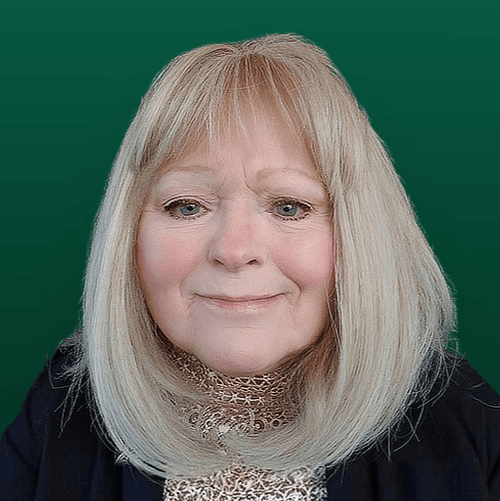
Barbara Webb is a Licensed Clinical Social Worker with 25 years of experience in the mental health field, including working in child welfare agencies, schools, hospitals, and clinical settings. She demonstrates compassion for the tweens, adolescents, adults, couples, and families she serves. She develops rapport, interest, and working relationships with people who want to improve the quality of their lives by participating in talk therapy. She believes in meeting the needs of clients as the first priority. Barbara focuses on depression, anxiety, grief, trauma, relationship issues, life transitions, mood disorders, and abuse.
Barbara completed her Master of Social Work at the George Williams College at Aurora University. She also completed a doctorate in Counseling Psychology from Argosy University. Barbara utilizes multiple approaches to therapy: cognitive behavioral therapy (CBT), mindfulness, internal family systems, existential therapy, and the Gottman method for couples.
Barbara believes we all have things we don't speak about, so it is best to be kind to yourself and others in your journey through life. Barbara assists clients in recognizing and speaking their truth. We are all important, and it is key to understand that you can validate yourself, even when others do not. Schedule an appointment with her today.

"As an individual who has worked with all ages in schools, hospitals, and agencies, understanding how childhood experiences such as trauma, abuse, and neglect may negatively impact one's adult life, I explore the past and its relevance on the present."
Why did you decide to become a counselor or psychiatric provider?
I decided to become a mental health professional when I was teaching primary grades right out of my undergraduate college degree. I became interested in children's emotions and thoughts. I remember asking a first grade student, "What do you think a thought is?" She said, "it is a picture in your head." I recognized that the feedback we get from people early on, teachers, parents, coaches, friends, family for the most part, contribute to how one forms opinions about what they can and cannot do. Frequently, the feedback provides misconceptions and confusion as one is in the process of growing up. I was fascinated by what the human brain is capable of doing. I wanted to explore for myself what everyone can do if they begin to believe in themselves rather than believe what others are telling a person about who they are and who they may become which often, is inaccurate.
What types of clients do you work with best?
I work best with people who earnestly want to let go of what may be hurting them or holding them back from meeting their physical or psychological challenges. Anger is such a big part of what keeps one from moving forward in problem solving and often, getting to what is creating a roadblock; anger, shame, guilt is the first priority in therapy. I work well with anyone who wants to understand themselves better, individually or as a couple, family. I enjoy working with all ages and creating trust is essential in moving forward in the therapeutic relationship.
What type of clients are you most excited to work with?
Enjoy working with adult women, men and adolescents. Even though I have worked with all ages and multi-cultural populations, I am eager to work with people who want to get the most out of a therapeutic, trusting relationship where the focus is on meeting the challenges clients are faced with.
What's one thing you wish all clients knew?
One thing I wish all clients knew is that it doesn't matter what others think of you. What is more important is that you like and believe in yourself. If you have these qualities you can achieve whatever goals, dreams, you decide to focus on and pursue. The task becomes "cleansing" oneself of negative thought patterns, assumptions about oneself in order to become the best version of who you are and want to become.
Why did you choose to practice at Thriveworks?
I chose Thriveworks over other platforms because they demonstrate concern for clinicians by providing clinical support, a supportive atmosphere and a positive communication style in all levels of the organization. This fosters a non-judgmental style in which clinicians can provide to clients best practice when delivering therapy to meet their needs. I believe in the "trickle down effect" in management style. Leaders in an organization create the work climate that is so essential for developing positive relationships.
What inspires you?
I feel inspired by others who possess a positive attitude towards problem solving. Life has many ups and downs and those who can develop some resilience to the challenges, issues of living have an edge. It is a life skill when one can move forward by discovering what needs to occur in resolving whatever may be holding them back. Therapy can help one to determine what is the roadblock to feeling more personal success.
What can clients expect in their first session with you?
Clients can expect to be greeted with sincere interest in what they are presenting as a primary problem. I portray a non-judgmental response by first just listening, focusing on developing trust and rapport so that they will not feel inhibited in their first encounter with me as their therapist. It is knowing we all want to be understood, accepted and validated for whatever challenge we may be facing.
What do you want to accomplish with an individual in their first session?
In the first session, I want to accomplish a definition of the presenting problem, what goals for therapy the client wants to achieve, what may be the initial emotional status the client may be demonstrating and how comfortable they are in the therapy session.
What should clients know about you before scheduling a first session?
I want clients to know that I am easy to talk to. I come across as warm and open minded, flexible and non-judgmental. Opening up to a stranger about personal issues in one's life is difficult for many people. I try to lessen any anxiety the client may be feeling by showing an unwavering interest in all they have to say and validating their concerns.
What do you do for fun/on your time off?
In the time off from work I take my dog for long walks in the woods. Try to immerse myself in nature as much as possible through camping, hiking. In the summer, like to stay in cabins in the woods and in winter, go skiing and enjoy winter sports. I like to laugh and enjoy the moment I am in. I like to read a lot, write, spend time with family and cook and bake.
What's one thing about you that defines you (non-professional)?
I like to laugh, enjoy being with friends and family. I maintain a positive attitude on a daily basis through meditation, exercise and remaining active; walking, focusing on positive thoughts and looking for the positive things in life and people. It's important to stay away from negative influences; people who are difficult, dismissive, angry.
Can you tell us about a success you had with a client?
I saw a young adult who was married for one year. She became angry when she drank more than one alcoholic beverage. Through exploring her past, it was discovered she had a dysfunctional childhood. Parents were divorced. She lived sometimes with her father and other times with her mother. There was childhood chaos with sometimes police involvement. Was blamed for everything that went wrong as a child growing up. It was determined that she had repressed anger from her childhood that would surface when she drank alcohol excessively. Focused on developing coping skills for anger management. Not drinking alcohol. Journaling to capture scenarios that surfaced from her past as a way to let them go. Using coping skills of meditation, mindfulness CBT and anger management to improve trauma from the past.
- Years in practice
- 25 years
- Graduating institute
- George Williams College
- Graduating degree
- Master of Social Work