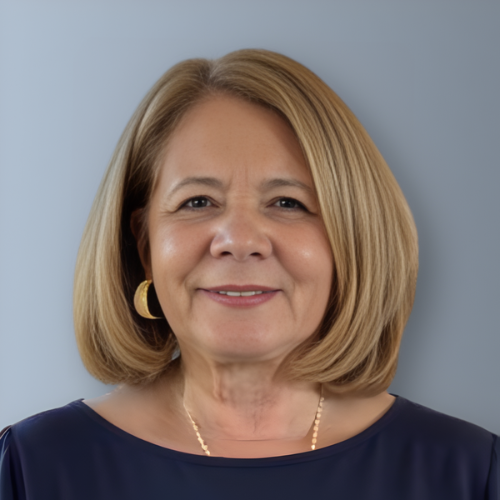
Carla Gibson
she/herLicensed Professional Counselor Associate (LPCA)



Self pay costs
Out-of-pocket session costs for clients who don’t have insurance or aren’t covered by their insurance for mental health services.
I’m a compassionate mental health therapist who believes that healing begins with feeling truly seen, heard, and understood. As an Associate Professional Counselor (APC), I earned my Master of Science in Clinical Mental Health Counseling from Walden University and my Bachelor of Arts in Psychology from Waldorf University, graduating Magna cum laude. I typically work with children, adolescents, and adults as they navigate anxiety, depression, stress, emotional overwhelm, low self-esteem, relationship challenges, life transitions, and many moments when life simply feels like too much.
My approach to therapy is warm, collaborative, and person-centered. I believe meaningful progress happens when clients feel safe enough to be honest, understood without judgment, and empowered to take an active role in their healing. I draw from evidence-based approaches like CBT, DBT, and motivational interviewing, tailored to each client’s needs.
If you’ve been carrying more than you feel able to handle, please know that you don’t have to navigate it all alone. You deserve a space where you feel safe, heard, and accepted exactly as you are. I would be honored to walk alongside you as you work toward greater healing and self-compassion. When you’re ready, I invite you to schedule an appointment.


"I strive to create a warm, compassionate, and nonjudgmental space where clients feel genuinely understood, empowered to embrace their authentic selves, and supported in navigating life’s challenges with greater confidence and self-compassion."
Why did you decide to become a counselor or psychiatric provider?
I became a counselor because I’ve always been deeply moved by the human experience and by the strength people carry, even during the moments when they may not recognize that strength in themselves. I wanted to create a space where people could feel genuinely heard, understood, and accepted without judgment. Over the years, I’ve come to believe that sometimes having someone walk alongside you during a difficult season can make all the difference. Becoming a counselor has given me the opportunity to do just that—to help people make sense of what they’re experiencing, reconnect with themselves, recognize their strengths, and believe that meaningful change is possible.
What types of clients do you work best with?
I work best with clients who are looking for a safe, supportive space to better understand themselves and create meaningful change. I especially enjoy working with adolescents and adults who are navigating anxiety, depression, stress, emotional overwhelm, low self-esteem, relationship challenges, boundaries, life transitions, or difficulty managing their emotions. I also connect well with clients who may feel stuck, overwhelmed, or disconnected from themselves and are ready to explore what is beneath those feelings. My style is especially well suited for clients who value a collaborative, compassionate approach and want practical tools while also having the space to slow down, reflect, and be genuinely understood.
What's one thing you wish all clients knew about therapy, mental health, or the healing process?
One thing I wish every client knew is that healing is not a straight line, and struggling does not mean you are failing. There may be days when you feel like you’re making progress and other days when simply getting through the day feels like an accomplishment—and both are part of the process. You don’t have to be “fixed” before you deserve support, and you don’t have to have all the answers before beginning therapy. Healing takes time, patience, and compassion, and sometimes progress begins with something as simple as allowing yourself to be honest about how you’re really doing. Most importantly, I want clients to know that where they are today does not have to determine where they will be tomorrow.
What can clients expect in their first session with you and in the early stages of therapy?
In our first session, you can expect a warm, welcoming space where we begin getting to know you—not just what brings you to therapy, but who you are as a whole person. We’ll talk about what you’ve been experiencing, what you hope to gain from therapy, and what feels most important for us to focus on. You won’t be expected to have everything figured out or know exactly where to begin; we can take it one step at a time.
What personal experiences or values inform your practice as a therapist/provider?
My practice is deeply informed by my belief that every person deserves to feel seen, heard, and valued. Through my own experiences and the many stories clients have trusted me with throughout my career, I’ve learned that people are often carrying much more than others realize. That perspective has strengthened my commitment to approaching each person with compassion, curiosity, and without judgment. I value authenticity, empathy, selfcompassion, and the belief that people have the capacity to grow even when they may not see that possibility for themselves. These values guide the way I show up in therapy and remind me that meaningful healing begins with creating a space where clients can feel safe enough to be their whole selves.
How do you tailor therapy to meet each client’s unique needs?
I believe therapy should never be a one-size-fits-all experience. Every client brings their own story, experiences, strengths, challenges, and goals, so I take time to understand what feels most important to you and what you need from therapy. I collaborate with you to develop goals that feel meaningful and realistic, while adapting my approach based on your personality, communication style, readiness, and what is or isn’t working for you. Some clients may benefit from practical coping strategies and skill-building, while others may need more space to process emotions, explore patterns, or simply feel heard. Throughout our work together, I remain flexible and responsive so that therapy feels supportive, relevant, and truly centered around you.
- Graduating institute
- Walden University
- Graduating degree
- Master of Science in Clinical Mental Health Counseling