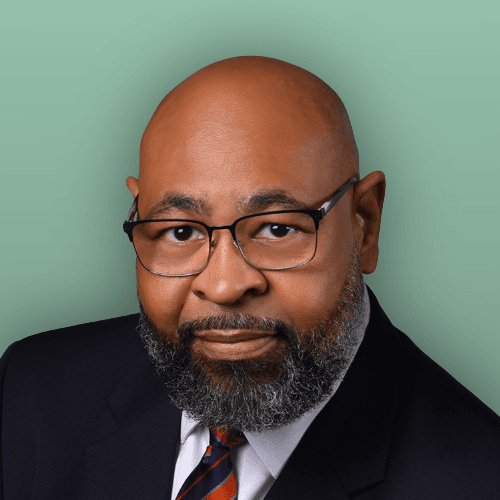
Samuel Heastie
he/himLicensed Clinical Social Worker (LCSW)

 Self Esteem, Trauma / PTSD, Family Conflict, Relationships, Addiction, Stress / Mental Stress / Work Stress, Anxiety, Depression
Accepted insurance
Self pay
Self pay costs
Out-of-pocket session costs for clients who don’t have insurance or aren’t covered by their insurance for mental health services.
About Samuel
I’m Dr. Sam Heastie, a Licensed Clinical Social Worker and educational psychologist with more than 20 years of experience helping adults and couples navigate anxiety, chronic stress, depression, trauma, grief, relationship conflict, and life transitions. I often work with clients who feel stuck, overwhelmed, emotionally disconnected, or unsure how to move forward, and who want practical support, deeper insight, and healthier ways to cope, connect, and grow.
My style is warm, collaborative, and purposeful. I use a client-centered approach that blends practical skill-building, insight-oriented reflection, psychoeducation, and relationship-focused work. Clients can expect a safe, affirming space, clear goals, and support that is compassionate, structured, and paced to their needs.
You do not have to carry stress, pain, or uncertainty alone. Therapy can be a place to feel understood, regain clarity, and begin making meaningful change. When you are ready, I invite you to take the next step and schedule an appointment.

"I can be my greatest asset or my greatest liability; and I get to choose. "
Get to know Samuel
Why did you decide to become a counselor or psychiatric provider?
I became a counselor because I have always been drawn to helping people understand themselves, overcome painful experiences, and make healthier choices for their lives and relationships. My background as a Licensed Clinical Social Worker and educational psychologist allows me to combine compassion, clinical skill, and teaching in a way that helps clients feel both supported and empowered. Example — Person-Centered Therapy: I believe healing often begins when clients experience empathy, acceptance, and emotional safety. In therapy, I work to create a space where clients can speak honestly without fear of judgment.
What types of clients do you work best with?
I work best with clients who are ready to grow, even if they are unsure where to begin. This includes individuals, couples, and families who want to improve communication, heal from difficult experiences, strengthen relationships, or make meaningful life changes. Example — Motivational Interviewing: With a client struggling with substance use or ambivalence about change, I may help them explore their own reasons for change rather than pushing them before they are ready.
What's one thing you wish all clients knew about therapy, mental health, or the healing process?
I wish clients knew that therapy is not about being “broken.” It is about gaining insight, learning new skills, and creating healthier patterns. Seeking help is a sign of courage, not weakness. Example — Acceptance and Commitment Therapy: I may help a client stop fighting every uncomfortable feeling and instead clarify their values, then take meaningful steps even while anxiety or sadness is present.
What can clients expect in their first session with you and in the early stages of therapy?
In the first session, clients can expect a respectful, supportive conversation about what brings them to therapy, what they hope to change, and what has or has not worked in the past. Early therapy focuses on building trust, clarifying goals, and creating a plan that fits the client’s needs. Example — Solution-Focused Brief Therapy: I may ask a client what life would look like if the problem improved, then help identify small, realistic steps toward that preferred future.
What personal experiences or values inform your practice as a therapist/provider?
My practice is informed by a deep belief in human dignity, growth, and resilience. As an educator, clinician, husband, father, and person of faith, I value compassion, accountability, wisdom, and the importance of healthy relationships. Example — Family Systems Therapy: When working with family conflict, I may help clients see how each person’s behavior affects the whole family system rather than placing blame on one individual.
How do you tailor therapy to meet each client’s unique needs?
I tailor therapy by first understanding the client’s story, symptoms, strengths, values, and goals. I do not believe one approach fits everyone, so I draw from different clinical methods depending on what the client needs and what will help them make progress. Example — Dialectical Behavior Therapy: For a client who feels emotionally overwhelmed, I may teach grounding, distress tolerance, and emotion regulation skills before moving into deeper processing.
Other areas of focus
Education and training
- Years in practice
- 36 years
- Graduating institute
- Florida State University
- Graduating degree
- MSW
Additional details


Practice location