Anxiety, Depression, Grief, Trauma / PTSD

Accepted insurance & self-pay

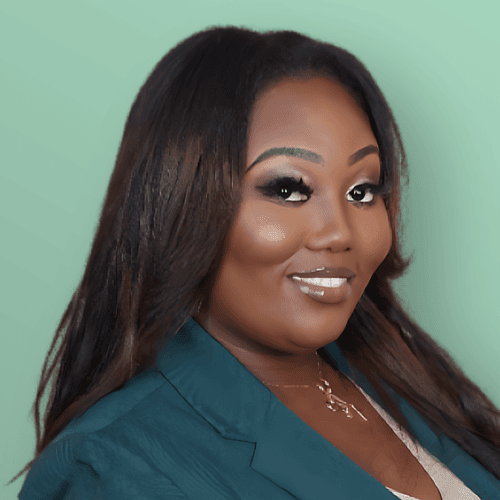
About Chelsie
I am a licensed mental health counselor (LMHC) with 7 years of experience supporting adolescents, adults, couples, and families. I specialize in treating anxiety, depression, trauma, ADHD-related concerns, relationship challenges, grief, and life transitions. I am passionate about providing culturally responsive, trauma-informed care that supports emotional wellness and meaningful balance.
I earned my Master of Science in clinical mental health counseling from Nova Southeastern University. My approach is collaborative and tailored to each client, utilizing cognitive behavioral therapy, mindfulness-based interventions, trauma-informed care, and family systems techniques to promote emotional regulation and lasting change.
I understand that reaching out for support can feel overwhelming, but you do not have to navigate challenges alone. I provide a compassionate, nonjudgmental space where you can build confidence, strengthen relationships, and develop practical coping tools. I would be honored to support you on your journey toward healing and growth.


"I am dedicated to supporting individuals and families through anxiety, depression, trauma, addiction, and relationship challenges with compassionate, client-centered care."

Get to know Chelsie
Why did you decide to become a counselor or psychiatric provider?
I became a therapist because I have always been passionate about helping people navigate difficult moments in their lives and recognize their strength, resilience, and capacity for change. Through my early experiences studying criminal justice and later working in mental health settings, I witnessed how trauma, systemic stress, and life challenges can deeply affect individuals, families, and communities. I realized that many people struggle not because they lack motivation or ability, but because they often do not have the support, tools, or safe spaces needed to heal and grow.
Becoming a therapist allowed me to combine my desire to serve others with my commitment to advocacy, education, and emotional wellness. I am especially driven to support individuals and families facing adversity, helping them build coping skills, strengthen relationships, and develop confidence in their ability to overcome challenges. My work is rooted in the belief that every person deserves compassion, understanding, and the opportunity to create a healthier, more fulfilling life.
What types of clients do you work best with?
Works best with clients who have Anxiety, Depression, Grief, and PTSD.
What's one thing you wish all clients knew about therapy, mental health, or the healing process?
One thing I wish all clients knew is that healing is not a straight line. Progress in therapy often includes moments of growth, setbacks, breakthroughs, and periods of uncertainty, and all of these experiences are a normal part of the process. Many people believe they must “have it all together” or make rapid changes, but meaningful healing takes time, patience, and self-compassion.
Therapy is not about being judged or told what to do; it is a collaborative space where you can safely explore your thoughts, emotions, and experiences while learning practical tools to navigate life more effectively. Even small steps—gaining insight, practicing a coping skill, or expressing a difficult emotion—are important signs of progress. Over time, these small steps build confidence, resilience, and a deeper understanding of yourself, helping you create lasting and meaningful change.
What can clients expect in their first session with you and in the early stages of therapy?
In the first session, clients can expect a welcoming, supportive, and nonjudgmental environment where we begin getting to know one another. We will talk about what brings you to therapy, the challenges you are currently facing, and what you hope to gain from the process. I will also review confidentiality, answer any questions you may have, and discuss how therapy typically works so you feel informed and comfortable moving forward. The first session is paced to help you feel safe and heard—there is no pressure to share more than you are ready to share.
During the early stages of therapy, we will work together to clarify goals, identify patterns in thoughts, emotions, and behaviors, and begin learning practical coping and emotional regulation skills that you can start using right away. You can expect a collaborative approach where we regularly check in on your progress, adjust goals as needed, and build strategies that support your personal growth, healing, and overall well-being.
What personal experiences or values inform your practice as a therapist/provider?
My practice is guided by a deep commitment to compassion, cultural humility, and the belief that every person deserves a safe space to be heard and understood. My experiences working with individuals, families, and communities facing trauma, systemic barriers, and life transitions have reinforced the importance of meeting clients with empathy, respect, and authenticity. I value creating a therapeutic environment where clients feel empowered to explore their experiences without judgment while developing the skills needed to navigate challenges and build resilience.
I am also strongly influenced by the value of collaboration—viewing therapy as a partnership in which clients are the experts of their own lives. My approach emphasizes honoring each client’s unique background, strengths, and goals while integrating evidence-based practices that support meaningful, lasting change. These values shape my commitment to providing culturally responsive, client-centered care that promotes healing, growth, and emotional well-being.
How do you tailor therapy to meet each client’s unique needs?
I tailor therapy by first taking time to understand each client’s unique experiences, cultural background, strengths, challenges, and personal goals. During the initial sessions, we explore what has and has not worked for you in the past, how you prefer to learn or process emotions, and what you hope to achieve in therapy. This collaborative assessment allows me to develop a treatment approach that aligns with your individual needs rather than using a one-size-fits-all method.
I also integrate different evidence-based approaches—such as Cognitive Behavioral Therapy (CBT), mindfulness, trauma-informed care, and emotional regulation strategies—based on what best supports your goals and presenting concerns. Throughout the process, I regularly check in with you to evaluate progress, adjust interventions, and ensure that therapy continues to feel relevant, supportive, and effective. My goal is to create a flexible, personalized therapeutic experience that honors your pace, preferences, and path toward growth and healing.

Other areas of focus

Education and training
- Years in practice
- 7 years
- Graduating institute
- Nova South Eastern University
- Graduating degree
- Masters of Science in Clinical Mental Health Counseling

Additional details


Practice information



Book your first session