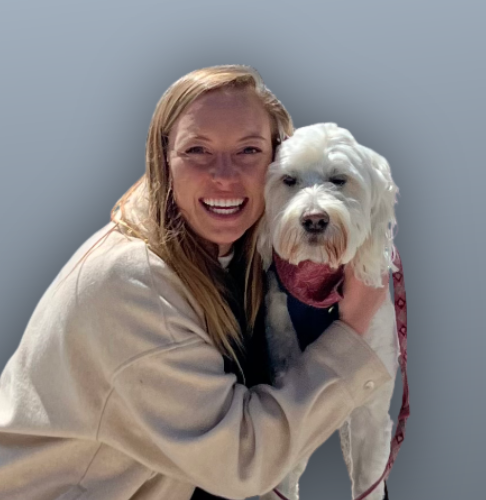
Samantha Lotter
she/herLicensed Clinical Social Worker (LCSW)

 Personality Disorders, Neurodiversity, Anxiety, Self-Harming, Mood Disorders, Impulse Control Disorders, Behavioral Issues
Self pay costs
Out-of-pocket session costs for clients who don’t have insurance or aren’t covered by their insurance for mental health services.
I'm a therapist with a practical approach grounded in DBT and behavioral principles. I work with clients stuck in intense emotions, anxiety, shame, or repeating relationship patterns. I draw from DBT, CBT, and behavioral strategies while keeping work collaborative and tailored to you. Many clients want clear tools and practice to manage overwhelm, reduce reactivity, improve communication, and feel more steady. Whether navigating stress, transitions, neurodivergent traits, or patterns that don't match who you're trying to be, my goal is to help you feel understood and empowered—with a practical plan you can use.
My style is warm, direct, practical. I use DBT and behavioral strategies to help you identify patterns and practice skills that work. I also use CBT for thinking patterns. You can expect collaboration, accountability, and real-world focus through coping plans and communication practice. My goal is for you to leave with skills you can use independently.
If you've been carrying a lot while staying functional, you're not alone. Therapy is a place where you feel genuinely understood and learn skills to make life more manageable, one step at a time. If you're ready for supportive, practical work grounded in real change and compassion, I'd be honored to work with you. Schedule an appointment when you're ready.


"I’m a warm, behaviorally grounded therapist who will meet you with compassion and real-world tools—so you feel understood, learn what’s driving the patterns, and build skills that make daily life worth living."
Why did you decide to become a counselor or psychiatric provider?
I chose to become a counselor because I can stay steady in high-stress moments, and my behavioral perspective helps me understand why people do what they do—so we can respond with compassion, build practical skills, and create real change.
What types of clients do you work best with?
I work well with clients in the “hard” moments—times of dysregulation, shutdown, or reactivity—and when you’re there, you can expect me to stay steady with you, reduce shame, and help you build practical skills and new learning patterns so you have more choice, control, and self-trust over time.
What's one thing you wish all clients knew about therapy, mental health, or the healing process?
I wish everyone knew you can be nonjudgmentally vulnerable and still be supportively guided toward your goals—therapy doesn’t have to be just “venting” or just “fixing,” it can be a compassionate space where you’re deeply understood while also building real skills and forward movement.
What can clients expect in their first session with you and in the early stages of therapy?
They can expect thoughtful, curious questions that help me understand what’s most important for safety and what to prioritize behaviorally, and we’ll work together on a shared treatment plan while also talking openly about motivation, readiness, and what commitment to therapy looks like in real life.
What personal experiences or values inform your practice as a therapist/provider?
I’m a therapist with a strong behavioral foundation who specializes in supporting people with complex, high-acuity emotional and behavioral needs—especially when things feel most intense, stuck, or misunderstood. I bring a steady, safety-first, nonjudgmental approach that reduces shame and focuses on understanding patterns (not blaming them), while building practical skills and supports that work in real life. My core values are dignity, compassion, collaboration, and hopeful accountability: we’ll create a clear plan together and practice new coping and relationship tools so you can build more choice, stability, and selftrust over time.
How do you tailor therapy to meet each client’s unique needs?
I tailor therapy to your unique needs by starting with a clear, compassionate understanding of what you’re dealing with and what you want to be different—then we build a shared plan that fits your goals, your pace, and your real life. You can expect a balance of feeling genuinely understood and having practical direction: we’ll identify patterns that keep you stuck, decide what to prioritize first, and practice skills and strategies you can use between sessions. Along the way, we’ll check in on what’s helping, adjust what isn’t, and keep the work focused on steady, meaningful progress.
- Years in practice
- 8 years
- Graduating institute
- Stony Brook University
- Graduating degree
- Master of Social Work