
Sherlyn Wilson
she/herAssociate Clinical Social Worker (ACSW)

 Self Esteem, Sexual Abuse, Anxiety, Step-Family / Blended Family Issues, Suicidal Ideation, Trauma / PTSD, Stress / Mental Stress / Work Stress
Self pay costs
Out-of-pocket session costs for clients who don’t have insurance or aren’t covered by their insurance for mental health services.
I am an associate clinical social worker (ACSW) with 3 years of experience providing client-centered, trauma-informed care. I support individuals navigating anxiety, depression, trauma, grief, life transitions, and identity- or relationship-related concerns. My work is grounded in empathy, collaboration, and evidence-based practice, and I strive to create a nonjudgmental space where clients feel seen, understood, and supported as they work toward emotional stability and personal growth.
I have my master’s degree in social welfare from the University of California, Berkeley. My approach integrates cognitive behavioral strategies, motivational interviewing, talk therapy, and trauma-informed care. When appropriate, I incorporate creative, play-based, and expressive techniques to support emotional processing in a developmentally responsive way.
Reaching out for support can feel vulnerable, and you do not have to navigate life’s challenges alone. I offer a collaborative and supportive environment where your experiences are honored, and your goals guide our work. Together, we will build insight, resilience, and practical coping skills to help you move forward with clarity and confidence

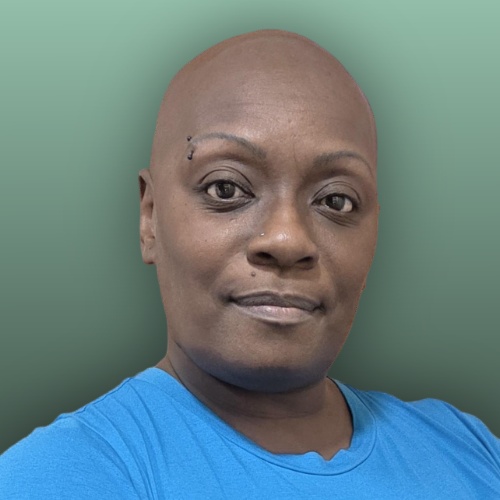
"As an African American, cisgender Female, I am passionate and relational when working with communities of color, and I understand the importance of being seen and understood, while also recognizing the need to express personal experiences without judgment."
Why did you decide to become a counselor or psychiatric provider?
I chose to pursue a career in counseling /social work because I have always been driven by a desire to make a meaningful difference in the lives of others. From a young age, I felt called to support individuals and families by connecting them with the resources and opportunities that could strengthen their well‑being and improve their circumstances. My commitment deepened during my teenage years, when seven of my younger cousins were adopted or fostered by my mother. Throughout that experience, I observed only one group of social workers involved in supporting our family. That limited representation made a lasting impression on me and reinforced my determination to serve families who look like mine—families who deserve to feel seen, understood, and supported by professionals who share their cultural experiences and values.
What types of clients do you work best with?
I work best with clients who tend to thrive with my style of therapy, value a collaborative, relational approach and are open to exploring their experiences with honesty and curiosity. I work especially well with individuals who may feel unseen or misunderstood, including clients navigating trauma, identity‑related stress, anxiety, or major life transitions. Because my practice is rooted in trauma‑informed care, cultural humility, and a deep respect for each person’s lived experience, clients who appreciate a warm, supportive environment often find our work together meaningful. I am particularly attuned to the needs of clients from marginalized communities and those seeking a therapist who understands the importance of representation, safety, and trust in the healing process. Clients who are willing to engage in self‑reflection, build insight, and take gradual steps toward change tend to benefit most from my approach. I meet clients where they are, honor their pace, and work alongside them to strengthen resilience, develop coping skills, and move toward greater emotional well‑being.
What's one thing you wish all clients knew about therapy, mental health, or the healing process?
The one thing I hope all clients understand about therapy is that meaningful change begins with openness, honesty, and a willingness to engage in the work. Healing is a gradual process, and while progress may not be immediately visible, over time it can lead to significant shifts in thoughts, behaviors, and emotional responses.
What can clients expect in their first session with you and in the early stages of therapy?
In the first session, my focus is to understand the client’s primary concerns, clarify their goals, complete an initial assessment, and collaboratively identify an appropriate treatment plan. This session also includes establishing boundaries and expectations to create a safe and supportive therapeutic environment. As we continue, I take time to get to know the client through a holistic set of questions that explore their experiences, strengths, and context. This approach allows me to gain meaningful insight into the factors that may be contributing to the presenting concerns and to tailor the therapeutic process to their unique needs.
What personal experiences or values inform your practice as a therapist/provider?
My practice is deeply informed by my own lived experiences and the values that have shaped me both personally and professionally. Growing up, I did not have access to counseling after a traumatic event in childhood, and I carried the weight of feeling unseen, unsafe, and unheard for many years. It wasn’t until adulthood, when I finally connected with compassionate psychiatrists and mental health therapists, that I experienced what it meant to have a safe space to express myself, explore my pain, and begin healing. Their support—along with the encouragement I received from my family when I shared my story—had a profound impact on me and continues to guide the way I show up for others. These experiences fuel my commitment to creating a therapeutic environment where clients feel genuinely seen, respected, and supported. I value openness, honesty, and collaboration, and I believe healing happens when clients are empowered to share their stories at their own pace. My work is also shaped by a strong dedication to cultural humility and representation. Having witnessed firsthand how limited representation can affect families—especially those who look like mine—I strive to ensure that clients feel understood within the context of their identities, communities, and lived experiences. Ultimately, my values center on empathy, safety, and the belief that every person has the capacity for growth and resilience. These principles guide my approach and ground my commitment to walking alongside clients as they navigate their healing journey.
How do you tailor therapy to meet each client’s unique needs?
I tailor therapy to each client’s unique needs by using a client‑centered approach and meeting individuals exactly where they are in their healing process. My work integrates a range of evidence‑based modalities, including Cognitive Processing Therapy (CPT), Cognitive Behavioral Therapy (CBT), mindfulness practices, and motivational interviewing, allowing me to support clients in a way that aligns with their goals, strengths, and lived experiences.
- Years in practice
- 3 years
- Graduating institute
- University of California - Berkeley
- Graduating degree
- Master of Social Welfare