Grief, Life Transition, Anxiety, Depression, Neurodiversity, Caregivers, Stress / Mental Stress / Work Stress

Accepted insurance & self-pay

About Wendy
I am a licensed independent clinical social worker (LICSW) with 21 years of experience supporting individuals navigating grief, life transitions, anxiety, depression, and neurodivergence, including autism and ADHD. My approach is grounded, relational, and trauma-informed, integrating nervous system regulation and mindfulness to help clients feel steadier, more empowered, and supported in their growth.
I earned my master's degree in social work from the University of Alabama and hold a bachelor's degree in psychology. With a background in hospice and bereavement care, I integrate evidence-based practices with strength-based and mindfulness-based approaches to support emotional regulation and resilience.
If you’re feeling overwhelmed, stuck, or ready for change, you don’t have to navigate it alone. I offer a calm, compassionate space where you can feel heard and understood while building practical tools for lasting growth. When you’re ready, I invite you to schedule a session.

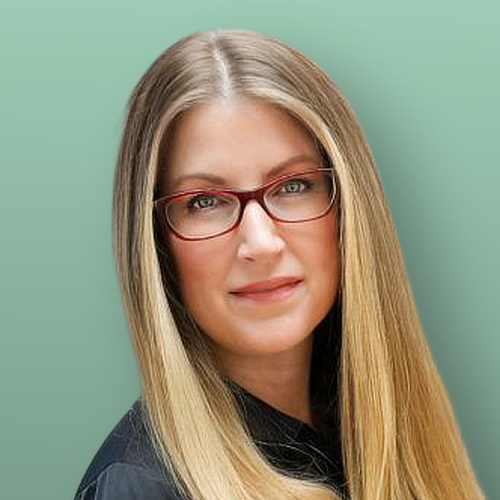
"I am a client-centered social worker focused on meaningful, lasting change."

Get to know Wendy
Why did you decide to become a counselor or psychiatric provider?
I became a counselor because I was drawn to sitting with people in their most vulnerable moments. Working in hospice and bereavement showed me how powerful it is to offer steady presence during grief, transition, and uncertainty. I witnessed how being truly seen and supported can change someone’s experience of pain. I chose this path to help people feel less alone, build resilience, and find meaning — even in life’s hardest seasons.
What types of clients do you work best with?
I work best with clients who are navigating grief, major life transitions, or emotional overwhelm, including depression and anxiety. I also connect deeply with neurodivergent individuals (autism, ADHD) and older adults adjusting to life changes or medical challenges. My ideal clients are open to exploring their emotions, learning coping strategies, and building insight, resilience, and self-understanding in a compassionate, supportive space.
What's one thing you wish all clients knew about therapy, mental health, or the healing process?
One thing I wish people knew about therapy and healing is that lasting change doesn’t happen all at once. Focusing on small, manageable goals can create meaningful progress over time. Growth is a process, and each step — no matter how small — moves you closer to feeling more balanced, resilient, and connected to yourself.
What can clients expect in their first session with you and in the early stages of therapy?
In the first session, clients can expect a warm, nonjudgmental space to share their story and what brings them to therapy. We’ll discuss your goals, identify immediate concerns, and begin exploring patterns in thoughts, feelings, and behaviors. I’ll introduce tools and strategies tailored to your needs, and together we’ll create a plan for moving forward at a pace that feels safe and manageable.
What personal experiences or values inform your practice as a therapist/provider?
My practice is informed by years of experience supporting people through grief, loss, and life transitions in hospice and bereavement work. I deeply value empathy, presence, and authenticity, believing that healing grows from being truly seen and heard. I also draw on my commitment to honoring neurodivergence, nervous system regulation, and resilience, helping clients build meaningful change at their own pace.
How do you tailor therapy to meet each client’s unique needs?
I tailor therapy to each client by listening deeply and integrating approaches like mindfulness, nervous system regulation, and practical coping strategies. Every plan is flexible and collaborative, meeting clients where they are, honoring their strengths, neurodivergence, and goals, so they can make meaningful, lasting progress.

Other areas of focus

Education and training
- Years in practice
- 21 years
- Graduating institute
- The University of Alabama
- Graduating degree
- Master of Social Work

Additional details


Practice information



Book your first session