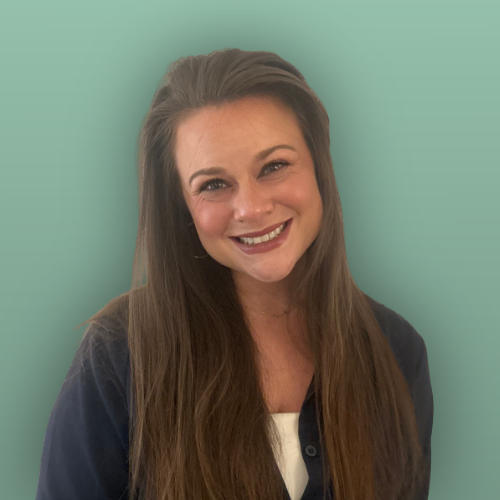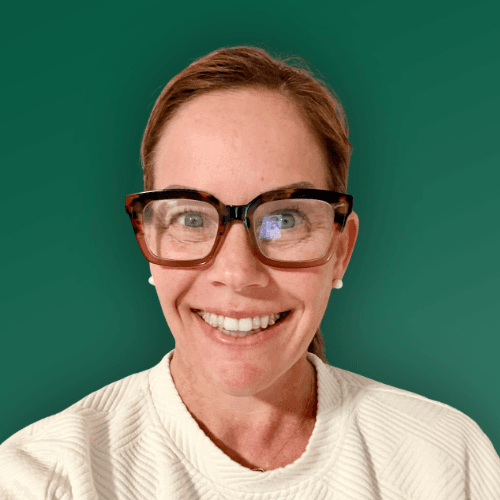
Amanda Jones
she/herLicensed Independent Clinical Social Worker (LICSW)

 Stress / Mental Stress / Work Stress, Military / Veteran, Life Transition, Depression, Grief
Self pay costs
Out-of-pocket session costs for clients who don’t have insurance or aren’t covered by their insurance for mental health services.
I'm a licensed independent clinical social worker in Alabama with a master's in social work, dedicated to helping individuals navigate life's most challenging seasons. I work with adults facing anxiety, depression, stress, grief, and major life transitions, including caregivers, women, and those connected to military life. My clients often seek clarity, coping tools, and emotional balance, and I provide a supportive, goal-oriented space to help them build resilience, process experiences, and move forward with confidence.
I use a client-centered, strengths-based approach integrating solution-focused therapy to create practical, goal-oriented progress. I also incorporate narrative, grief, and family systems work to support healing. Clients can expect a supportive space, clear direction, and tools to build resilience and lasting change.
You don't have to navigate life's challenges alone—I'm here to provide a safe, supportive space where you feel heard, understood, and empowered to move forward. Together, we'll build the clarity, strength, and confidence you need to create meaningful change. When you're ready, I'm here to take that next step with you.

"As a military spouse, mother of twin boys, and someone who grew up navigating life between divorced parents, I understand firsthand the realities of high stress, constant change, and emotional complexity—and I bring that lived experience into my work to help clients feel truly seen, supported, and capable of finding steadiness in the midst of it all."
Why did you decide to become a counselor or psychiatric provider?
I decided to become a counselor because I’ve lived the very experiences that shape so many of the clients I serve. Growing up in a divorced family, I learned early how complex emotions, transitions, and uncertainty can impact a person’s sense of stability and identity. As a military spouse and mother, I’ve navigated constant change, high-pressure environments, and the need to remain steady for others—even in the midst of my own challenges. After COVID, I saw firsthand how stress, isolation, and emotional overwhelm intensified for individuals and families, and how deeply the need for accessible, compassionate mental health care grew. That turning point reinforced my calling to create a space where people feel seen, supported, and equipped to move forward. Becoming a counselor allows me to combine both my professional training and lived experience to help others find clarity, resilience, and healing—especially during life’s most demanding seasons.
What types of clients do you work best with?
I work best with clients who are carrying a lot—those balancing demanding roles, feeling overwhelmed or alone, and often showing up for everyone else while their own needs go unmet. Many are caregivers, individuals navigating grief and loss, chronic health challenges, or major life transitions. They’re ready for more than just talking—they want practical tools, meaningful insight, and are willing to do the work between sessions to improve their quality of life. I meet them with empathy, structure, and support as we create a path toward greater balance, resilience, and emotional wellbeing.
What's one thing you wish all clients knew about therapy, mental health, or the healing process?
One thing I wish all clients knew is that seeking support is a sign of strength, not weakness—every person will face emotional or psychological challenges at some point in life. Therapy is a space free of judgment where those struggles can be understood and transformed into opportunities for growth. The healing process isn’t about “fixing” who you are, but about learning new tools, gaining insight, and navigating life in a healthier, more empowered way.
What can clients expect in their first session with you and in the early stages of therapy?
Clients can expect a warm, welcoming space where they feel heard, supported, and understood. I prioritize active listening and empathy while taking time to fully understand each client’s unique challenges, stressors, and goals. Early sessions focus on breaking down concerns into manageable pieces and collaboratively creating a practical, solution-focused treatment plan that is easy to implement. Clients can expect clear direction, meaningful insight, and opportunities to build skills, gain selfawareness, and begin making steady, empowering progress.
What personal experiences or values inform your practice as a therapist/provider?
My practice is grounded in the belief that every individual has the right to self-determination and the ability to choose their own path. I recognize how social determinants of health and access—or limitations to access—impact well-being, and I strive to meet clients where they are with realistic, practical support. My experiences as a military spouse, parent, and someone who grew up navigating family transitions have shaped my deep respect for resilience and adaptability. I believe the mind is powerful, and together we can reframe perceptions, build insight, and create meaningful, lasting change.
How do you tailor therapy to meet each client’s unique needs?
I tailor therapy by starting with active listening and empathy to fully understand each client’s unique experiences, stressors, and goals. I honor each person’s right to selfdetermination, meeting them where they are while considering the impact of social determinants of health and realistic access to resources. Using a flexible, solution-focused and strengths-based approach, I break challenges into manageable steps and develop practical, individualized treatment plans. I also integrate evidencebased modalities such as CBT, DBT, ACT, and motivational interviewing to fit each client’s needs. Throughout the process, we work collaboratively to build insight, reframe perspectives, and create meaningful, sustainable change.
- Years in practice
- 23 years
- Graduating institute
- California State University, Long Beach
- Graduating degree
- Masters in Social Work