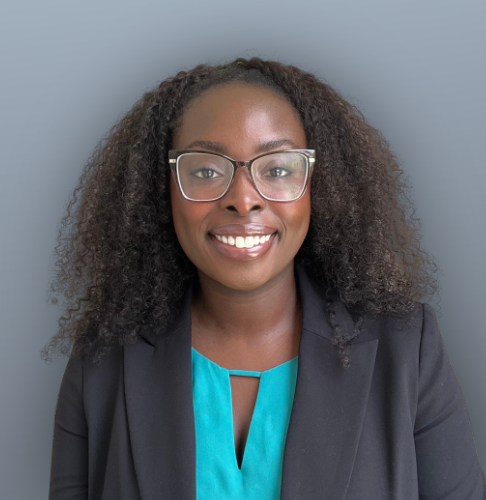
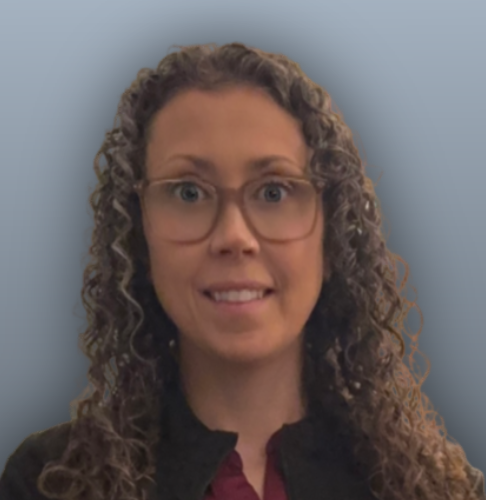
Ashleigh Brown
Psychiatric Mental Health Nurse Practitioner (PMHNP)

 Board certified
 Agoraphobia, Antisocial Personality, Anxiety, Autism, Behavioral Issues, Bipolar Disorder, Body Image Issues, Body Dysmorphia, Borderline Personality Disorder (BPD)
Self pay costs
Out-of-pocket session costs for clients who don’t have insurance or aren’t covered by their insurance for mental health services.
I am a psychiatric mental health nurse practitioner (PMHNP) with 18 years of experience. I work with children, adolescents, and adults who are navigating anxiety, depression, mood disorders, attention difficulties, trauma-related concerns, and behavioral changes. Previously, I spent 10 years working as a registered nurse in a variety of settings, including inpatient and outpatient treatment, crisis services, and neurology within a traumatic brain injury treatment program. Many of my clients seek clarity about their diagnosis, effective medication management, and a provider who truly listens and supports their goals.
I earned my Bachelor of Science in nursing from the University of Mount Olive. I take a collaborative, team-based approach to care and focus on evidence-based treatment options that support meaningful, lasting improvement.
I understand that reaching out for support can feel overwhelming, and my goal is to create a safe, supportive environment where you feel heard, respected, and empowered in your care. Together, we will develop a personalized treatment plan designed to help you regain balance, build resilience, and move toward improved well-being.

"Having witnessed the stigma and struggles of mental illness, I am committed to partnering with you in a collaborative, respectful medication management approach that prioritizes your voice while exploring the best evidence-based treatment options to support your overall quality of life."
Why did you decide to become a counselor or psychiatric provider?
I decided to become a psychiatric provider because I witnessed firsthand how deeply mental health challenges can affect someone’s life and how powerful compassionate, quality care can be. I saw both the stigma surrounding those struggles and the gaps in understanding and support. That experience stayed with me. I saw how often individuals and families were simply looking for someone to truly listen, explain their options clearly, and partner with them in care. I became a Psychiatric Mental Health Nurse Practitioner to help bridge that gap — to provide thoughtful, evidence-based medication management within a collaborative, respectful relationship that prioritizes each person’s voice and overall quality of life.
What types of clients do you work best with?
I work best with children, adolescents, and adults who are ready to better understand their mental health and take an active role in their treatment. I especially connect well with individuals and families who value a collaborative, team-based approach to care. Whether it’s a parent seeking support for their child, a teen learning how to manage overwhelming emotions, or an adult feeling stuck and looking for clarity around diagnosis and medication options, I strive to create a space where questions are welcomed, concerns are taken seriously, and treatment decisions are made together.
What's one thing you wish all clients knew about therapy, mental health, or the healing process?
One thing I wish all clients knew is that healing is not a straight line — and that needing support, whether through therapy, medication, or both, is not a weakness but a proactive step toward caring for your health. Mental health conditions are medical conditions, not personal failures, and finding the right treatment can take time, adjustments, and open communication. Progress often happens gradually, in small but meaningful ways, and every step you take toward understanding yourself and advocating for your needs truly matters.
What can clients expect in their first session with you and in the early stages of therapy?
In the first session, clients can expect a thorough, yet relaxed and supportive conversation focused on getting to know them as a whole person — not just their symptoms. We’ll review current concerns, mental health history, medical background, medications, lifestyle factors, and any previous treatment experiences. I’ll also take time to understand what’s working, what isn’t, and what goals they hope to achieve.
What personal experiences or values inform your practice as a therapist/provider?
My practice is deeply informed by both personal and professional experiences. I witnessed the impact of mental health struggles including the stigma and misunderstanding that surrounded them. That experience shaped my belief that every person deserves compassionate, respectful, and informed care, free from judgment.
Professionally, working for many years in inpatient, outpatient, crisis, and neurological settings reinforced how much quality and consistency of care matter. I saw how often individuals felt unheard, rushed, or uncertain about their treatment. Those experiences strengthened my commitment to slowing down, listening carefully, and ensuring that clients feel like active participants in their care.
At the core of my practice are values of collaboration, transparency, and advocacy. I believe medication management should be a partnership — one where clients understand their options, feel comfortable asking questions, and are supported in making decisions that align with their goals and improve their overall quality of life.
How do you tailor therapy to meet each client’s unique needs?
I tailor pharmacotherapy by starting with a comprehensive understanding of each client — their symptoms, medical history, past medication responses, family history, lifestyle, stressors, and personal goals. I don’t believe in a “one-size-fits-all” approach; instead, I use evidence-based guidelines alongside clinical experience to identify options that best fit the individual sitting in front of me.
I also take time to educate clients about how medications work, potential benefits, possible side effects, and realistic timelines for improvement. Together, we weigh risks and benefits and decide on a plan that feels thoughtful and collaborative. I start low and adjust carefully when appropriate, monitoring both symptom improvement and overall functioning.
Ongoing follow-up is just as important as the initial decision. I regularly reassess progress, tolerability, and life changes to ensure treatment continues to align with the client’s needs. My goal is not just symptom reduction, but helping each person achieve stability, clarity, and an improved quality of life in a way that feels personalized and empowering.
- Years in practice
- 18 years
- Graduating institute
- University of South Alabama
- Graduating degree
- Master of Science in Nursing