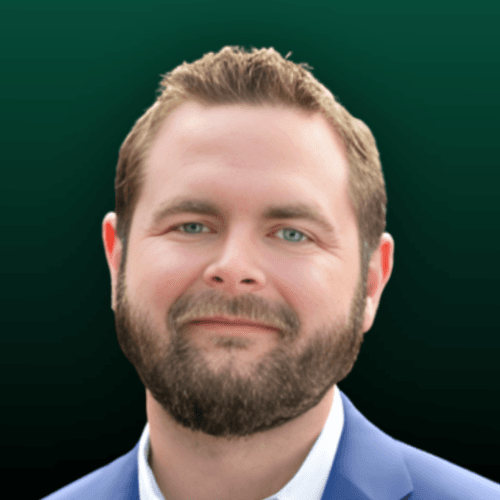
Dr Ryan Wade
he/himPsychiatrist, Medical Doctor (MD)

 Dual Diagnosis, Addiction, Alcohol Use, Substance Use, Anxiety, Depression
Self pay costs
Out-of-pocket session costs for clients who don’t have insurance or aren’t covered by their insurance for mental health services.
Hi, I am Ryan Wade, a psychiatrist board certified in Psychiatry, Addiction Psychiatry, and Addiction Medicine. I completed medical school and my Psychiatry residency at Eastern Virginia Medical School, followed by an Addiction Psychiatry fellowship at Yale University School of Medicine. Despite my training in the addiction field, I spend a large portion of my time focusing on mental health conditions such as depression, anxiety, ADHD, and more. I find that I typically work most with people who want to consolidate their medication regimen or those who view medication as a tool, not solely the solution to the issues they are facing.
I attempt to meet people where they are and the level they are willing to engage with treatment as this varies significantly from person to person. I believe psychotherapy is quite powerful for most people and routinely recommend it alongside my work with clients, including any medications I would potentially prescribe.
If you are considering seeing someone for your mental health — or even wondering if what you are feeling day-to-day is "normal" and would like an assessment — feel free to schedule an appointment. There is no pressure to start medication or to even continue in treatment if you feel that it isn't right for you. I look forward to meeting you soon!

"I believe everyone should be treated as a human and an individual, so I try to be as genuine as possible while making sure that the person I'm meeting with has substantial input in treatment decisions."
Why did you decide to become a counselor or psychiatric provider?
I was interested in the mind and psychology from as young as I can remember, and I came to see in medical school just how impactful the practice of psychiatry can be, in addition to the stigma so many people with psychiatric conditions face. I felt that Psychiatry was something that felt more natural to me than other medical specialties, and I believed it was the field where I could do the most good for the most people, which I still believe to be true to this day.
What types of clients do you work best with?
I don't know that there is a demographic population that I feel I work "best" with, though I do find that people coming in for treatment who are motivated often have better outcomes. Much of the improvement in mental health comes from work done outside of sessions, and the motivation to engage with treatment is a big factor in sustaining that effort in daily life.
What's one thing you wish all clients knew about therapy, mental health, or the healing process?
Most mental health conditions respond well to psychotherapy, and it should be an integral part of almost any treatment plan. Even though I do prescribe medication, I often find that therapeutic interventions make a greater difference in people's lives. Effective psychotherapy is worth every penny.
What can clients expect in their first session with you and in the early stages of therapy?
The first session is best characterized as me getting to know the person across from me (or on the screen) and understanding the most pressing issues they are facing that are bringing them into treatment. Often, there will also be education regarding medications, diagnoses, follow-up, etc., to make sure people are informed of what to expect going forward. Depending on the situation, some initial sessions will also include the prescribing of medication.
What personal experiences or values inform your practice as a therapist/provider?
I was born with a congenital heart defect and had several medical procedures from a young age, which led me to realize that we all have to rely on others for help at times. It can feel difficult to reach out for help, and I encourage others to view that as a strength, as it is being honest when assessing our life circumstances and determining what we are capable of managing in that moment. Having received literally life-saving help from a young age, I try to pay it forward to others who are reaching out in their time of need.
How do you tailor therapy to meet each client’s unique needs?
It starts with what concerns the patient is coming to treatment for, and is guided by what the patient identifies as feasible for them to take on at the moment. For example, not everyone who has experienced a traumatic life experience is prepared to start trauma-focused therapy when they are first entering treatment, so even if it will likely be helpful to the person overall, it would not be appropriate to push that treatment modality onto them at first.
- Years in practice
- 10 years
- Graduating institute
- Eastern Virginia Medical School
- Graduating degree
- Doctor of Medicine