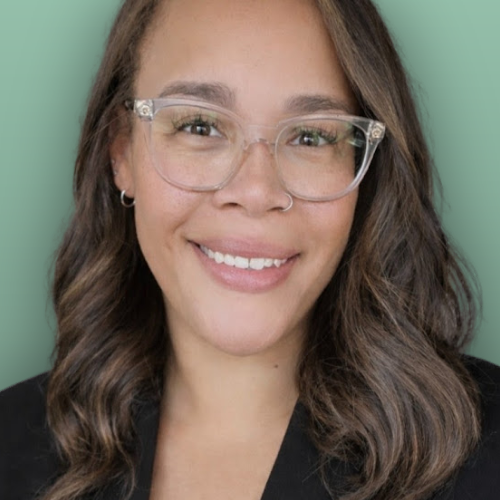
Ashton Greene
he/himPsychiatric Mental Health Nurse Practitioner (PMHNP)

 Board certified
 Bipolar Disorder, Trauma / PTSD, Panic Attack, Anxiety, Mood Disorders, Depression
Self pay costs
Out-of-pocket session costs for clients who don’t have insurance or aren’t covered by their insurance for mental health services.
Hi, I'm Ashton, a board-certified Psychiatric Mental Health Nurse Practitioner with 10 years of experience in mental health care. I have spent much of my career serving diverse communities at Grady Memorial Hospital in Atlanta and also worked as a travel nurse, caring for individuals across a variety of clinical settings. I work with adolescents and adults experiencing anxiety, depression, trauma, ADHD, bipolar disorder, OCD, LGBTQIA+ concerns, and life transitions, helping them build resilience, improve emotional well-being, and achieve meaningful, lasting change.
My approach is collaborative, compassionate, and evidence-based. I combine medication management with supportive therapy, education, and practical coping skills to help clients navigate life's challenges. Together, we'll create a personalized treatment plan that promotes resilience, healing, and lasting emotional well-being.
Reaching out for support can feel difficult, and I want you to know you don't have to carry things alone. You deserve care, understanding, and a space where you feel safe and supported. I would be honored to walk alongside you as you take steps toward healing and growth, and I look forward to connecting with you when you're ready.


"As a Black man raised in the South in a military family and a member of the LGBTQIA+ community, I bring both lived experience and compassion to my work, drawing on my own journey through trauma and my experiences with mental illness within my family to create a space where clients feel understood, respected, and empowered to heal. "
Why did you decide to become a counselor or psychiatric provider?
I decided to become a psychiatric provider because I’ve always been drawn to helping people navigate the moments in life when things feel overwhelming, confusing, or painful. Throughout my career in mental health nursing, I saw how powerful it can be when someone feels truly heard, understood, and supported while also receiving effective, evidence-based treatment. I wanted to be part of that healing process in a more direct and ongoing way. My experiences working in diverse settings, including Grady Memorial Hospital in Atlanta and as a travel nurse, showed me how mental health affects people across all backgrounds and circumstances. Over time, this work became deeply personal as well, shaped by my own trauma, personal development, and lived experiences with mental illness within my family. Those experiences strengthened my commitment to providing compassionate, nonjudgmental care and helping clients feel seen, supported, and empowered in their recovery.
What types of clients do you work best with?
I work best with adolescents and adults who are motivated to improve their mental health, even if they are feeling overwhelmed, stuck, or unsure where to start. I especially enjoy working with individuals experiencing depression, anxiety, trauma, bipolar disorder, ADHD, psychotic disorders, and cooccurring substance use concerns. I also support clients navigating major life transitions, identity-related stressors, and adjustment challenges. Many of the clients I work with are seeking a provider who offers a collaborative, nonjudgmental approach to care, where they feel heard and actively involved in their treatment plan. I strive to meet clients where they are, provide clear education about treatment options, and work together to build practical strategies that support stability, resilience, and long-term recovery.
What's one thing you wish all clients knew about therapy, mental health, or the healing process?
One thing I wish all clients knew is that healing is rarely a straight line, and progress often looks different than people expect. Setbacks, uncertainty, and difficult emotions are a normal part of the process, not a sign of failure. Mental health treatment works best when it is collaborative, consistent, and individualized, and it often takes time to find the right combination of strategies that truly support you. You don’t have to have everything figured out to begin. Showing up, being honest about your experience, and staying engaged in the process are often the most important steps toward meaningful change and long-term growth.
What can clients expect in their first session with you and in the early stages of therapy?
In the first session, clients can expect a welcoming, supportive space where we focus on getting to know you and understanding what brings you in. I will ask questions about your current symptoms, mental health history, medical history, and any past treatments so we can build a clear picture of your needs. We will also talk about your goals for care and what you hope to get out of treatment. In the early stages of care, we work together to develop a personalized treatment plan that may include medication management, education about your diagnosis, and practical coping strategies. My goal is to make the process collaborative and transparent so you feel informed, supported, and actively involved in each step of your care.
What personal experiences or values inform your practice as a therapist/provider?
My practice is guided by the values of compassion, respect, and meeting each person where they are without judgment. I believe every individual deserves to feel heard, understood, and actively involved in their care. I also value honesty, collaboration, and evidence-based treatment, and I strive to create a space where clients feel safe discussing even the most difficult parts of their experience. My approach is also shaped by my lived experiences, including my own trauma, personal growth, and exposure to mental illness within my family. These experiences have deepened my empathy and strengthened my commitment to providing care that is both clinically grounded and genuinely human. I understand that healing is deeply personal, and I aim to walk alongside clients with patience, understanding, and support throughout their journey.
How do you tailor therapy to meet each client’s unique needs?
I tailor care by first taking time to understand each client’s unique history, symptoms, strengths, and goals. I don’t believe in a one-size-fits-all approach to mental health treatment. Instead, I use a comprehensive psychiatric evaluation to guide an individualized plan that may include medication management, psychoeducation, supportive therapy, and evidence-based interventions based on what is most appropriate for that person. I also adjust treatment over time based on progress, feedback, and changing needs. I collaborate closely with clients so they feel involved in decisions about their care, and I remain flexible in adjusting strategies to ensure treatment is both effective and realistic for their daily life.
- Graduating institute
- Frontier Nursing University
- Graduating degree
- Master of Science in Nursing