Anxiety, Military / Veteran, First Responders, Trauma / PTSD, Depression

Accepted insurance & self-pay

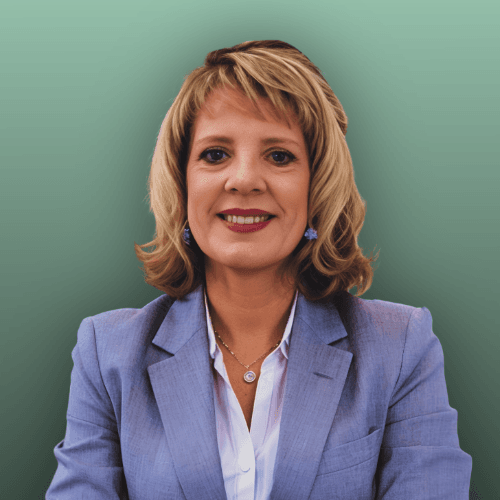
About Candace
I am a licensed marriage and family therapist (LMFT) with 28 years of experience supporting children, families, and service professionals through life’s most difficult challenges. I specialize in treating trauma, depression, anxiety, grief, and complex family dynamics. I also have extensive experience working with military members, veterans, first responders, and individuals impacted by abuse or sex addiction. My approach is collaborative, strength-based, and direct.
I earned my Master of Counseling in marriage and family therapy from the University of Phoenix. I integrate evidence-based approaches, including cognitive-behavioral therapy, eye movement desensitization and reprocessing, dialectical behavior therapy, and solution-focused therapy, to support healing, emotional regulation, and healthy relationships.
Seeking support can feel overwhelming, but you do not have to face it alone. I strive to create a safe, respectful space where you feel heard and supported as we work through what may be holding you back. Together, we can identify practical tools and strategies to help you heal, strengthen relationships, and move toward a more balanced and meaningful life.

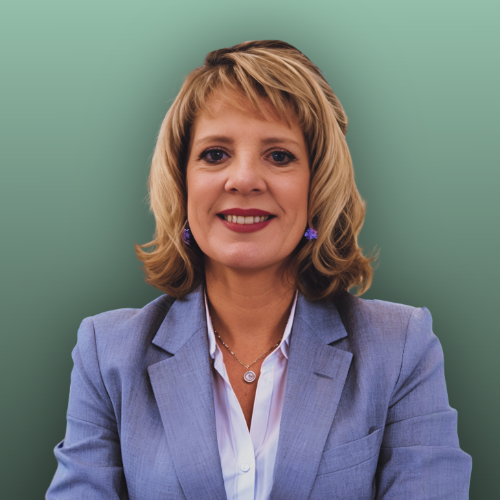
"As a military brat, spouse, and first responder, I bring a lived understanding of how service, sacrifice, and painful experiences shape us, and how we can cultivate resilience, healing, and wholeness."

Get to know Candace
Why did you decide to become a counselor or psychiatric provider?
I originally went to school to become a funeral director because I felt drawn to helping people during some of the most difficult moments of their lives. Being present with grief, loss, and life transitions showed me how deeply people need support, understanding, and space to process their experiences. Over time, I realized that what truly called to me was walking alongside people before and through those difficult seasons-helping them make sense of their emotions, relationships, and inner struggles. Therapy became a natural extension of that calling. Today, I feel honored to provide a space where people can slow down, be fully heard, and begin to understand themselves in a deeper way. My goal is to help clients move through challenges with greater clarity, resilience, and self-compassion, while discovering that meaningful change is possible.
What types of clients do you work best with?
My ideal client is someone who has been carrying a lot of stress, responsibility, or experiences that don't always have a place to be processed. I work particularly well with first r4esponders, military members, moms, college students/athletes, and individuals in high-pressure roles who are used to staying strong for others but are ready for a space where they can finally be real, decompress, and find healthier ways to move forward.
What's one thing you wish all clients knew about therapy, mental health, or the healing process?
One thing I wish every client knew is that therapy isn't a quick fix or a one-stop solution. It's a process of understanding yourself more deeply and learning new ways to navigate life. Not all therapists are the same, and finding the right fit matters. At times the work can feel uncomfortable. but those moments often hold the greatest opportunities for healing, clarity, and lasting change. If you're considering therapy, trust that even the smallest step toward support can open the door to meaningful and lasting change. Support is available when you're ready.
What can clients expect in their first session with you and in the early stages of therapy?
In your first session, we'll focus on getting to know each other and understanding what brought you to therapy. You don't need to have the right words or the full story ready-- we'll start wherever you are. In the early stages of therapy, we'll begin exploring patterns, unpacking experiences or stress that may be affecting you, and developing tools to help you navigate life more effectively. My approach is collaborative and tailored to your needs, helping you build insight, practical skills, and confidence as you move through the process.
What personal experiences or values inform your practice as a therapist/provider?
My practice is deeply informed by my personal experiences and values around empathy, presence, and resilience. Early in life, I felt drawn to supporting people during difficult moments, which led me first to training as a funeral director. Being present with grief and life transitions taught me how transformative compassionate support can be and how important it is to create a safe, nonjudgemental space for people to process complex emotions. I value authenticity curiosity, and patience in the therapeutic process. I believe that healing often happens when we are willing to explore uncomfortable emotions, challenge unhelpful patterns, and embrace growth even when it feels uncertain. These experiences and values guide my approach with every client, especially those navigating stress, anxiety, life transitions, or high-responsibility roles such as first responders and military members. My goal is to help clients feel seen, supported, and empowered to build meaningful, lasting change in their lives.
How do you tailor therapy to meet each client’s unique needs?
I tailor therapy to each client by understanding their unique experiences, goals, and challenges. Together, we create a personalized approach--exploring emotions, developing coping strategies, and working at a pace that helps you feel understood, supported, and empowered to grow.

Other areas of focus

Education and training
- Years in practice
- 28 years
- Graduating institute
- University of Phoenix (Albuquerque campus)
- Graduating degree
- Master of Counseling in Marriage and Family Therapy
- Graduating institute
- University of Great Falls, Montana
- Graduating degree
- Bachelor of Science in Counseling Psychology
- Graduating institute
- Montana
- Graduating degree
- Bachelor of Criminal Justice, University of Great Falls

Additional details


Practice information




Book your first session