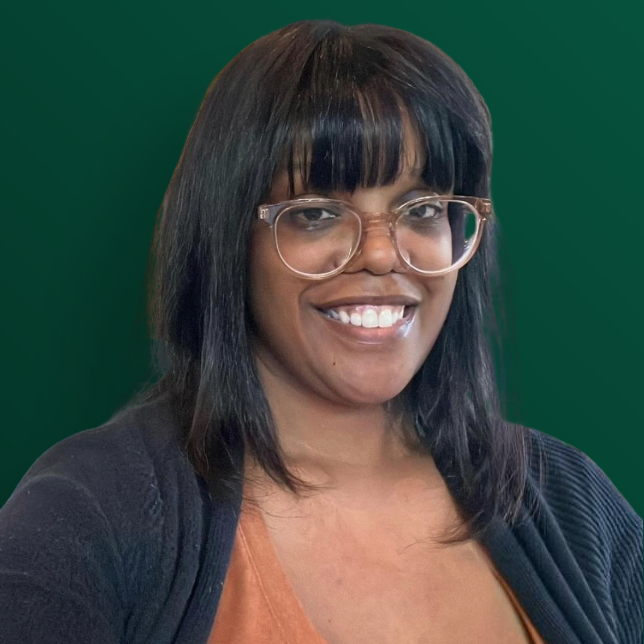
Tamica Davis Edmonds
she/herLicensed Professional Counselor (LPC)

 Self Esteem, Relationships, Stress / Mental Stress / Work Stress, Depression, Anxiety, Mood Disorders, Substance Use, Women’s Issues
Self pay costs
Out-of-pocket session costs for clients who don’t have insurance or aren’t covered by their insurance for mental health services.
I am Tamica Edmonds, a Licensed Professional Counselor (LPC) with nine years of experience working with children, adolescents, and adults with depression, anxiety, mood disorders, ADD/ADHD, PTSD, relationship issues, trauma, and co-occurring substance use disorders. I utilize an eclectic approach including Motivational Interviewing, person-centered therapy, solution-focused therapy, cognitive behavioral therapy, and play therapy. I believe that empowering clients through genuineness, openness, and transparency helps create a therapeutic relationship built on mutual respect and trust, where clients feel heard, valued, and supported.
My approach is grounded in genuineness and collaboration. I use strengths-based and client-centered methods to help clients feel heard and empowered. I incorporate trauma-informed practices while prioritizing safety, trust, and readiness for change. My goal is to meet each client where they are and help them develop effective coping strategies.
Taking the first step doesn't require having everything figured out—just a willingness to begin. Therapy provides a safe space to explore and reflect. Together, we can uncover your strengths and work toward meaningful change. You deserve to be heard, supported, and given the opportunity to grow. When you're ready, I invite you to schedule a session.

"Having personally experienced the therapeutic process following a traumatic loss, I have a genuine understanding of the courage and strength it can take to sit across from someone you’ve never met and share your story."
Why did you decide to become a counselor or psychiatric provider?
Since I was 12 years old, I’ve had a natural passion for helping others navigate their problems. I often found myself listening to my friends, talking through their challenges with them, and helping them find solutions from within themselves. As I gained a deeper understanding of psychology and the many facets of the human mind, I began to recognize that this natural ability to listen, support, and guide others was something I wanted to develop further.
What types of clients do you work best with?
I work well with individuals from ages 10 through 65. However, the clients I work best with are those who are ready and willing to make meaningful changes in their lives.
What's one thing you wish all clients knew about therapy, mental health, or the healing process?
Its a process that is not "one size fits all". It takes time and work and effort. But once you commit yourself to change, the end result will be worth it.
What can clients expect in their first session with you and in the early stages of therapy?
From the very first session and throughout the early stages of therapy, the focus is on getting to know one another and building a foundation of trust. Therapy truly begins when the client feels ready to explore and make changes within themselves. Understanding why someone has come to therapy and truly knowing what lies beneath that reason are often two very different things. The therapeutic process creates space to explore those deeper thoughts, feelings, and experiences at a pace that feels right for the client.
What personal experiences or values inform your practice as a therapist/provider?
I've had therapy myself, and it helped me navigate through times when I felt stuck or uncertain. Because of that experience, I don't believe I have all the answers—and I don't believe I need to. My role is to be a facilitator: to create a safe, supportive space where clients can explore what they're experiencing and uncover the answers and insights that already exist within them, bringing those inner resources into conscious awareness.
How do you tailor therapy to meet each client’s unique needs?
I tailor therapy to each client by recognizing that no two people are the same. From the beginning, I take time to get to know the client, understand what has brought them to therapy, and learn about their individual experiences, goals, strengths, and challenges. Building trust is an important part of this process, as it allows us to create a safe and supportive space for honest exploration.
- Years in practice
- 9 years
- Graduating institute
- North Carolina Agricultural and Technical University
- Graduating degree
- Master of Science in Rehabilitation Counseling