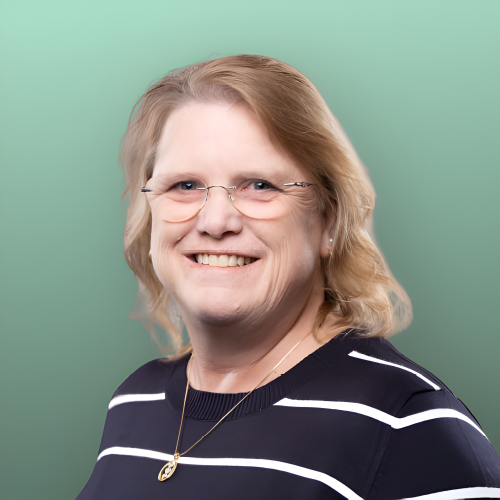
Stephen Jackson
he/himCounselor (Resident In Counseling)

 Social Anxiety, Stress / Mental Stress / Work Stress, Substance Use, Spirituality, Self Esteem, Trauma / PTSD
Self pay costs
Out-of-pocket session costs for clients who don’t have insurance or aren’t covered by their insurance for mental health services.
I am a resident in counseling with 3 years of experience supporting teens, young adults, and adults through challenges related to identity, life transitions, self-worth, addiction recovery, and emotional wellness. I’m passionate about helping clients uncover their inner guidance, develop a strong sense of self, and navigate the complexities of everyday life with greater clarity, resilience, and purpose.
I hold a master’s degree in clinical mental health counseling from the University of the Cumberlands. My work is grounded in depth psychology and incorporates psychodynamic, mindfulness-based, strength-based, cognitive-behavioral, and somatic approaches that help clients understand patterns, connect to their bodies, and develop healthier ways of coping.
I believe healing happens in community, and I’m committed to creating a safe, compassionate space where you feel seen and supported. Whether you’re managing pain, rebuilding after setbacks, or pursuing growth, I’ll walk with you as you build new skills and move toward the life you want.


"As a survivor of childhood trauma, I am uniquely aware of how our environments and relationships can shape or distort our personalities, and I am interested in helping individuals discover the True Self, or the authentic identity that exists independent of past traumas and which lies in wait to be discovered."
Why did you decide to become a counselor or psychiatric provider?
I discovered through the course of pursuing another career that my values were not truly aligned with it, but with the mental health profession. As I pursued a career in an industry that did not support these values, I became further divorced from myself. When I made it my life's ambition to align my work with my values, I naturally shifted to the mental health profession and finally began to experience satisfaction in my work. I am a natural-born collaborator and take a lot of joy in seeing others thrive. Once I got a taste of what I could do to illicit a change in another person's life, I was sold on the profession for good. I am a trauma survivor, and I am uniquely equipped to help other survivors move into the next stage of their life, from mere survival to thriving. There is no more important work than this.
What types of clients do you work best with?
I specialize in working with men and men's issues but have worked with a variety of people from different ages and demographics. My main area of expertise is in developmental trauma and psychodynamic approaches that take into consideration the whole lifespan of an individual. I am very adept at working with substance use issues and helping heal relational trauma and restoring healthy relating in individuals who have been abused by caretakers or others in a position of power or authority.
What's one thing you wish all clients knew about therapy, mental health, or the healing process?
Therapy is for all who want it, not those who need it. If you have a genuine interest in healing, that is all that is required. Everyone has issues of mental health that emerge in their lives. This is the norm. The difference is in what one wants to do about it. There should be no stigma in receiving support for issues of mental health as they affect everyone. Receiving help is a sign of internal strength, not weakness.
What can clients expect in their first session with you and in the early stages of therapy?
My clients can expect me to actually listen, take a genuine interest in their life, and to expect the best for them. They should not ever encounter judgment in sessions with me, but they should know that if they feel they have been judged or are dissatisfied in any way they may speak freely about such issues. I want to collaborate with them and have no interest in competing with them or to convert them to any particular way of thinking. Really, I want to convey that they are cared for and that they have value no matter what has transpired in their lives.
What personal experiences or values inform your practice as a therapist/provider?
I value collaboration, mutual respect, and an assumption of dignity within all people. I believe those are also the hallmarks of true leadership. I know that when one makes the relationship to oneself the most important in their lives, empathy and a genuine interest in others is the outgrowth. As one makes a stable commitment of love to oneself, it is only natural that he or she begins to do so in all important relationships. I believe in the innate goodness and value we are all naturally endowed with.
How do you tailor therapy to meet each client’s unique needs?
I am interested in the details of people's lives and understand that each client's history contains a rich explanation for how they came to be in their current situation. Their history and culture can reveal much about what approach may be best, whether a cognitive or behavioral intervention, or a somatic and mindfulness-based practice, the approach may represent an opportunity for a long-held need to be addressed. I would discover with the client what needs have been unfulfilled in their lives and decide what therapeutic tools may best fill those needs.
- Years in practice
- 3 years
- Graduating institute
- University of the Cumberlands
- Graduating degree
- Master of Clinical Mental Health Counseling