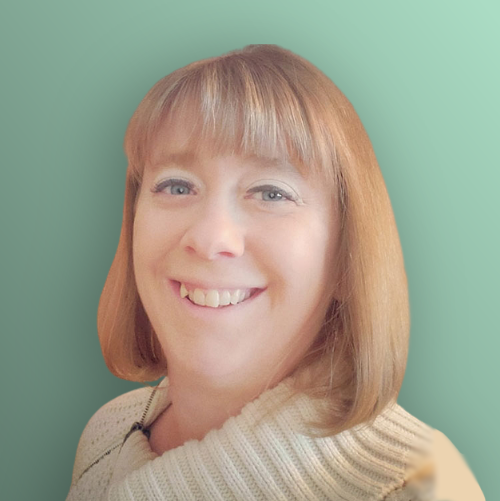
Norman Fietzke
he/himCounselor (Resident In Counseling)

 Impulse Control Disorders, Behavioral Issues, Trauma / PTSD, Mood Disorders, Depression, Anxiety
Accepted insurance
Self pay
Self pay costs
Out-of-pocket session costs for clients who don’t have insurance or aren’t covered by their insurance for mental health services.
About Norman
I am a resident in counseling with 2 years of experience supporting children, adolescents, and adults navigating anxiety, mood concerns, trauma, identity exploration, relationship stress, and life transitions. I have experience working in inpatient and residential settings and provide care to individuals seeking clarity, coping skills, and emotional balance. I focus on helping clients understand patterns, develop practical tools, and create meaningful, sustainable change over time.
I earned my master’s degree in clinical mental health counseling from the University of Lynchburg. My clinical approach is informed by cognitive behavioral therapy, dialectical behavior therapy, and Adlerian therapy, along with other evidence-based and integrative techniques.
I strive to provide a calm, validating, and collaborative space where you feel heard and supported. Together, we will explore your experiences with compassion and curiosity while working toward goals that align with your values. You do not have to navigate this journey alone, and I would be honored to support you as you move forward.


"My counseling philosophy is grounded in a wide range of lived and learned experiences. I aim to support my clients through compassion, playfulness, and practicality to help them navigate the steps towards growth and resilience."
Get to know Norman
Why did you decide to become a counselor or psychiatric provider?
I decided to become a counselor because my educational and professional journey kept bringing me back to one core truth: people heal and grow when they feel seen, heard, and supported. From mentoring students to working in healthcare, retail, and complex, highly regulated industries, I found the most fulfillment in helping others navigate challenges and discover their strengths. My journey in Clinical Mental Health Counseling confirmed that walking alongside people through their hardest moments is the work I am called to do.
What types of clients do you work best with?
I work best with children, teens, and adults who are willing to explore their thoughts, feelings, and patterns with openness, even if they feel anxious or unsure at first. I especially enjoy supporting clients who are navigating anxiety, mood concerns, trauma, identity questions, family and relationship stress, attention and behavior challenges, and life transitions.
What's one thing you wish all clients knew about therapy, mental health, or the healing process?
Counseling is not always easy—there are times when emotions run high and exploring past hurts or deep wounds can feel uncomfortable or exhausting, yet these moments often reflect genuine growth and courage, as healing is rarely a linear process.
What can clients expect in their first session with you and in the early stages of therapy?
In a first session with a child or teen, I focus on building safety and rapport, learning about their world, and hearing from caregivers about what they are seeing at home or school. I explain things in age-appropriate language, incorporate playfulness or activities when helpful, and set simple, clear goals together with the family. In early sessions with adults, I offer a calm space to share their story, clarify what they want from therapy, and begin introducing CBT, DBT, and life-skills tools that fit their daily life, such as coping skills, communication strategies, and ways to manage stress.
What personal experiences or values inform your practice as a therapist/provider?
Working as an intern at a child and adolescent residential treatment center and on a acute psychiatry unit in a hospital with adolescents, adults and older adults taught me to prioritize safety, dignity and seeing each person as an individual facing their unique challenges. Collaborating with families, nurses and other team members deepened my respect for team-based, trauma-informed approaches and for meeting people where they are. Having mentored at-risk college students and K-12 students around their academics, has reinforced my belief in the power of building rapport, realistic goals and establishing skills. Walking with students who navigate systemic barriers, familial stressors and self-doubt grounded my commitment to empower, advocate and help individuals identify and connect with their own strengths and values. On a personal level, experiencing family challenges and grief has deepened my compassion and understanding for clients navigating loss and transition. These personal and professional experiences together inspire a practice that is empathetic, strengths-based, and authentically human
How do you tailor therapy to meet each client’s unique needs?
I tailor therapy by considering age, developmental stage, and family context, then adjusting my approach accordingly. With children, I use more concrete, visual, and play-based strategies, involve caregivers in learning and practicing skills, and keep sessions engaging and predictable. With adults, I may focus more on insight, patterns, and collaborative problem-solving, using structured CBT/DBT tools or life-skills work as needed. Across all ages, I check in regularly about what is and is not helpful, so therapy stays responsive, collaborative, and individualized.
Other areas of focus
Education and training
- Years in practice
- 2 years
- Graduating institute
- University of Lynchburg
- Graduating degree
- Master of Education in Clinical Mental Health Counseling
Additional details


Practice location