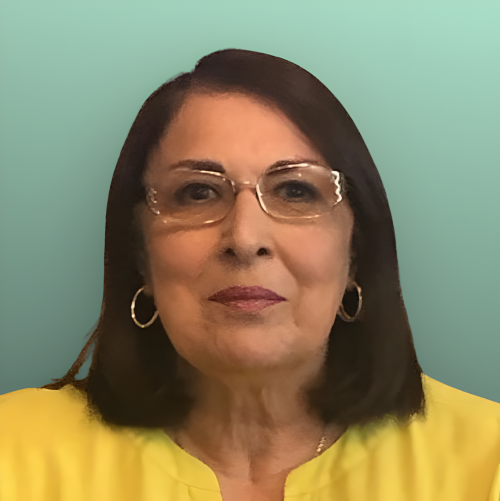
Joyce Ingram
she/herLicensed Professional Counselor (LPC)

 Relationships, Depression, Anxiety, Trauma / PTSD, Substance Use
Self pay costs
Out-of-pocket session costs for clients who don’t have insurance or aren’t covered by their insurance for mental health services.
As a mental health therapist, I am passionate about helping individuals navigate life's challenges, develop healthier coping skills, and create meaningful change. I provide a compassionate, supportive, and nonjudgmental environment where clients can feel heard, understood, and empowered. Using an integrative approach that incorporates Cognitive Behavioral Therapy (CBT), Dialectical Behavior Therapy (DBT), and Person-Centered Therapy, I tailor treatment to each client's unique needs and goals. My purpose is to help clients recognize their strengths, challenge limiting beliefs, and speak life into the person they are becoming.
I believe therapy works best when clients feel heard, respected, and supported while exploring patterns holding them back. My approach is collaborative, helping clients build self-awareness, emotional regulation, and coping skills. Whether facing anxiety, depression, relationship concerns, or life transitions, my goal is greater confidence and resilience.
I believe meaningful change begins when we recognize our past experiences don't have to define our future. My role is to walk alongside clients as they gain clarity, build confidence, and discover the tools to create the life they desire. I encourage clients to find their voice and embrace their strengths, moving beyond coping toward lasting growth.


"As one who has experienced depression and anxiety in early adulthood, I strive to create a safe, supportive space where clients feel heard, understood, and empowered to challenge limiting beliefs, discover their strengths, and speak life into the person they are becoming."
Why did you decide to become a counselor or psychiatric provider?
I decided to become a therapist because I have always had a genuine desire to help others recognize their strengths, overcome challenges, and see possibilities beyond their current circumstances. I understand the importance of having a safe space where you can speak openly, feel heard without judgment, and receive support during difficult seasons of life. Becoming a counselor allows me to combine compassion with evidence-based therapeutic approaches to help individuals better understand themselves, develop healthier ways of coping, and create meaningful change. For me, counseling is more than helping people through difficult moments—it is about empowering them to find their voice, rediscover hope, and speak life into their future.
What types of clients do you work best with?
I enjoy working with adolescents and adults who are ready to better understand themselves, heal from difficult experiences, and make meaningful changes in their lives. I am particularly drawn to working with individuals experiencing anxiety, depression, low self-esteem, relationship challenges, life transitions, stress, grief, and difficulty regulating emotions. I also enjoy supporting clients who recognize that experiences from their past may be influencing their current thoughts, behaviors, relationships, and sense of self. My ideal client does not have to have everything figured out—they simply need a willingness to explore, grow, and take steps toward becoming a healthier and more confident version of themselves.
What's one thing you wish all clients knew about therapy, mental health, or the healing process?
One thing I wish every client understood about therapy is that healing is not always a straight path, and progress looks different for everyone. Therapy is not about having someone fix your problems; it is a collaborative process that helps you better understand yourself, recognize unhealthy patterns, develop new skills, and make intentional changes. Some sessions may bring breakthroughs, while others may challenge you in unexpected ways. The most important thing is to remain open, honest, and committed to the process—because even small steps can lead to meaningful and lasting change.
What can clients expect in their first session with you and in the early stages of therapy?
During your first session, you can expect a welcoming, supportive, and nonjudgmental environment where we begin getting to know one another. We will discuss what brought you to therapy, your current concerns, relevant life experiences, strengths, and what you hope to accomplish through counseling. There is no expectation that you share everything at once—you are encouraged to move at a pace that feels comfortable while we begin building trust and establishing your treatment goals. Together, we will discuss a therapeutic approach that fits your individual needs and begin identifying practical steps toward the changes you would like to see in your life.
How do you tailor therapy to meet each client’s unique needs?
I believe therapy should be as unique as the person seeking support. I take time to understand each client’s experiences, concerns, strengths, goals, and preferred pace before determining the approaches that may be most beneficial. Rather than using a one-size-fitsall method, I integrate techniques from Cognitive Behavioral Therapy (CBT), Dialectical Behavior Therapy (DBT), PersonCentered Therapy, mindfulness, and other evidence-based approaches based on each client’s needs. Throughout the therapeutic process, I regularly assess progress, listen to client feedback, and adjust interventions as needed. My goal is to create a collaborative experience where clients feel supported and challenged while developing practical tools they can use beyond the therapy room.
- Years in practice
- 20 years
- Graduating institute
- Liberty University
- Graduating degree
- Master of Arts in Professional Counseling