 Family Conflict, Life Transition, Stress / Mental Stress / Work Stress

Accepted insurance & self-pay

About Lance
I'm Lance Nabers, M.S., LPC-S, LMHC, and I've spent 25 years helping over 24,000 people find their way back to themselves—from remote fishing villages in Alaska to federally qualified health centers, foster care systems, wilderness therapy programs, and crisis co-response work across eight states. A former Chief Behavioral Health Officer and Statewide Clinical Director, I'm now a telehealth therapist and LPC-S clinical supervisor licensed in TX, CO, WA, HI, and ID. I specialize in trauma, anxiety, addiction, life transitions, and couples therapy. Real experience. Real results. On your terms.
My therapeutic approach is comprehensive and compassionate, addressing a wide range of emotional and psychological experiences. I specialize in helping individuals navigate issues such as stress, anxiety, relationships, trauma, sobriety, and personal growth. My work often focuses on 'life transitions or conflict,' and 'finding opportunity or acceptance.
The first session is a conversation focused on what brings you to therapy, your current concerns and relevant history, how therapy works, and what feels most important to you. I hope to create a calm, grounded environment where you feel heard, respected, and not rushed. By the end, we'll outline goals and next steps so you leave with clarity and direction.

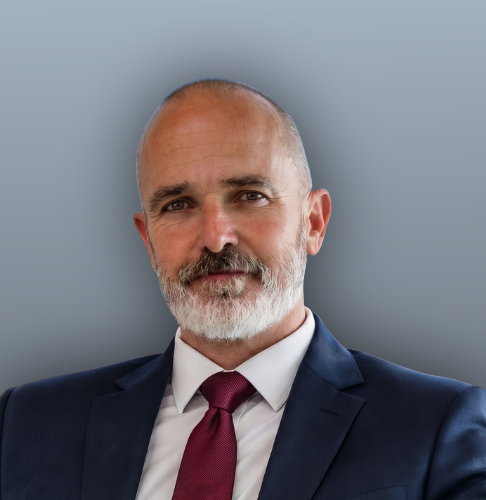
"In 2001, one week after finishing my master's degree, I sold everything I owned and moved my wife and three kids to a remote island in Alaska to start my career. I've been all-in ever since."

Get to know Lance
Why did you decide to become a counselor or psychiatric provider?
I grew from therapist to Clinical Director, to Statewide Director overseeing 16 offices, to Chief Behavioral Health Officer of a Federally Qualified Health Center, to University faculty, to national speaker and published researcher. Then I came back to what I love most — sitting with one person and helping them change their life.
What types of clients do you work best with?
I work best with clients who want to be in therapy. At first, you do not have to know what you want or what to do, but clients who take a step into something unknown like therapy, fire me up as a therapist.
What's one thing you wish all clients knew about therapy, mental health, or the healing process?
Its difficult, and it can be uncomfortable. If you look back in life though, you never grew or learned anything without something being difficult or uncomfortable.
What can clients expect in their first session with you and in the early stages of therapy?
The first session is a collaborative and supportive conversation focused on understanding what brings you to therapy and what you hope to gain from the process. We’ll take time to review your current concerns, relevant history, and any immediate stressors, while also discussing how therapy works and what feels most important to you right now. I hope to create a calm, grounded environment where you feel heard, respected, and not rushed. By the end of the session, we will begin outlining goals and identifying practical next steps so you leave with greater clarity and a sense of direction.
What personal experiences or values inform your practice as a therapist/provider?
Radical commitment. Early in my career I chose the hardest path available — remote Alaska, foster care systems, crisis work, wilderness therapy, addiction recovery during a pandemic. I didn't do that for the resume. I did it because I believe the work matters most where it's hardest. That shapes how I show up for clients. Lived experience with transition. I've moved my family across the country, rebuilt my career multiple times, and navigated the tension between ambition and relationship — the same tensions many of my clients face. I don't just understand life transitions academically. I've lived them.
How do you tailor therapy to meet each client’s unique needs?
I work hard every day to stay passionate and curious with what I do. I work hard every day to stay in the mindset of a learner, a helper, and to immerse myself in others perspective (Empathy).

Other areas of focus

Education and training
- Years in practice
- 27 years
- Graduating institute
- University of Texas
- Graduating degree
- Master of Science in Clinical Psychology

Additional details


Practice information


Book your first session
