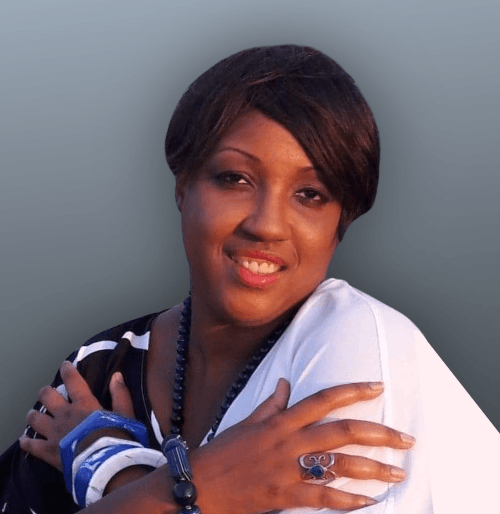
Erica Fulton
she/herLicensed Professional Counselor (LPC)

 Trauma / PTSD, Addiction, Stress / Mental Stress / Work Stress, Grief
Self pay costs
Out-of-pocket session costs for clients who don’t have insurance or aren’t covered by their insurance for mental health services.
I’m Erica Fulton, a licensed professional counselor who believes people are meant not just to survive, but to thrive and live out their purpose. I bring together lived experience, clinical training, and evidence-based care to support clients navigating trauma, grief, ADHD, and major life transitions. After losing my husband, I took time to rebuild, and that experience shapes how I show up in therapy. I specialize in working with individuals impacted by trauma or change, helping them reconnect with themselves, process their experiences, and build tools for stability, growth, and long-term healing at their own pace.
My approach is warm, relational, and trauma-informed. I prioritize creating a safe space where clients can explore their story and emotions. I draw from evidence-based practices like CPT, DBT skills, and grief-informed care. I tailor each session to support healing, insight, and practical growth in a way that feels grounded and collaborative.
Healing takes courage, and starting therapy is a meaningful step. I strive to ensure you feel supported and not alone in the process. I bring compassion, clinical skill, and steady presence to our work together. If you’re ready to reconnect with your strength, and move toward a life that feels more grounded, I would be honored to support you.

"I remind my clients—and myself—that this season of their life is only one chapter, not the entire book. In our work together, I honor the weight of what they’ve survived while supporting them in reclaiming their power to shape what comes next. I help them reframe their experiences, reconnect with their voice, and recognize the strength that has carried them this far. Their trauma does not define them; instead, I walk alongside them as they discover the meaning, healing, and empowerment they choose to create moving forward."
Why did you decide to become a counselor or psychiatric provider?
I became a counselor because I’ve lived through the kind of pain and rebuilding that many of my clients face. As the document shares, “I sat out a semester to regroup and reorient to life after the death of my husband,” and that experience reshaped my understanding of grief, resilience, and what it means to start again. Walking through my own trauma awakened a deep desire to support others whose lives have been changed by loss, adversity, or unexpected transitions. Over time, that calling grew stronger. The Calm Corner reflects this purpose—bringing together “lived experience, clinical experience, and evidence‑based treatment” to help people heal at their own pace. Becoming a counselor felt like a natural extension of who I am: a cycle breaker, a nurturer, and someone committed to helping others find steadiness, meaning, and hope after hardship.
What types of clients do you work best with?
I work best with clients who are navigating trauma, grief, loss, or major life transitions—people who are trying to make sense of experiences that have reshaped their world. My approach is grounded in compassion and lived experience; as your document notes, “I sat out a semester to regroup and reorient to life after the death of my husband,” and that journey deepened my ability to sit with others in their pain and rebuilding. I’m especially effective with individuals who want a calm, relational space to explore their story, understand the beliefs formed in childhood, and reconnect with their sense of purpose. At The Calm Corner, I integrate “lived experience, clinical experience, and evidence‑based treatment” to support clients managing trauma, ADHD, sobriety, and the emotional weight of life changes. I also work well with clients who value a steady, grounded presence—someone who honors their pace, respects their process, and walks with them as they move toward healing, clarity, and resilience.
What's one thing you wish all clients knew about therapy, mental health, or the healing process?
I help clients understand that trauma recovery is a process, not a quick fix. Painful emotions often surface along the way, and I honor that each person’s healing journey is uniquely their own.
What can clients expect in their first session with you and in the early stages of therapy?
Clients can expect me to build genuine rapport, create a safe and grounded space, and gently explore how childhood experiences and early beliefs continue to shape their present.
What personal experiences or values inform your practice as a therapist/provider?
My work as a therapist is deeply shaped by both my lived experience and my professional training. A defining part of my story is reflected in your bio, which notes that “she sat out a semester to regroup and reorient to life after the death of her husband.” Walking through profound grief at a young age strengthened my compassion, resilience, and commitment to supporting others whose lives have been touched by trauma, loss, or major transitions. My values are also rooted in the belief that “human beings are meant not just to survive but to thrive and live out their purpose.” This perspective guides the way I show up for clients—with reverence, hope, and a steady presence that honors their dignity and lived experiences. Professionally, my practice is informed by years of trauma‑responsive clinical work across outpatient, telehealth, hospital, and community settings. My résumé highlights extensive experience providing psychotherapy, psychoeducation, crisis‑responsive care, and evidence‑based interventions such as CPT, DBT skills, and grief and loss counseling. My background in chaplaincy and 15 years in ministry further shape my ability to hold space for clients navigating spiritual, emotional, and existential pain. Together, these experiences allow me to offer therapy that is grounded, empathetic, culturally attuned, and deeply respectful of each client’s story.
How do you tailor therapy to meet each client’s unique needs?
I tailor therapy by beginning with a deep understanding of each client’s story, strengths, and lived experiences. My approach is relational and trauma‑informed, grounded in the belief from your bio that “human beings are meant not just to survive but to thrive and live out their purpose.” I take time to build rapport, create safety, and understand the beliefs and patterns shaped by a client’s past—including trauma, grief, or major life transitions.
- Years in practice
- 7 years
- Graduating institute
- Houston Graduate School of Theology
- Graduating degree
- Master of Arts in Counseling