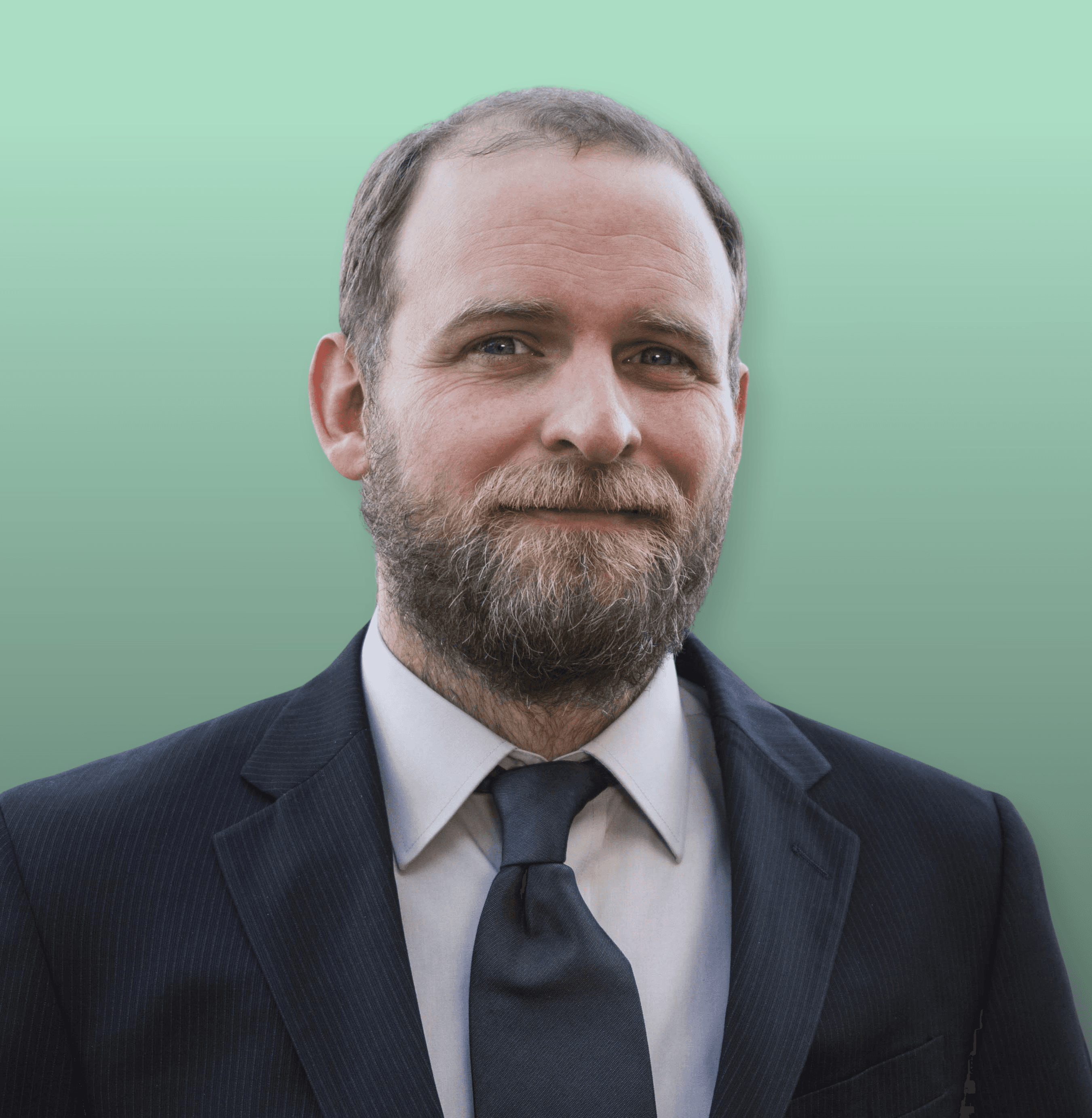
Dillon Addison
he/himLicensed Professional Counselor (LPC)


 Thinking Disorders, Self Esteem, Self-Harming, Sexual Abuse, Sleep / Insomnia, Social Anxiety, Stress / Mental Stress / Work Stress, Substance Use, Obsessive-Compulsive Disorder (OCD), Open Relationships / Non-Monogamy
Self pay costs
Out-of-pocket session costs for clients who don’t have insurance or aren’t covered by their insurance for mental health services.
I am a Licensed Professional Counselor with 13 years of experience in the mental health field. I provide a supportive, collaborative, and goal-focused environment where clients can explore challenges related to anxiety, depression, trauma, relationships, and major life transitions. My work emphasizes helping individuals build self-awareness, emotional resilience, and confidence as they move toward lasting personal growth and well-being.
I earned my Master’s in Counseling Psychology from Tarleton University. I integrate cognitive behavioral therapy and other evidence-based techniques to help clients challenge unhelpful thought patterns, strengthen coping strategies, and foster balanced perspectives that support meaningful change.
I welcome individuals from all backgrounds and life stages. Whether you’re seeking relief from emotional distress, adjusting to change, or striving for greater fulfillment, therapy offers a safe space to be heard, understood, and empowered to reach your goals.

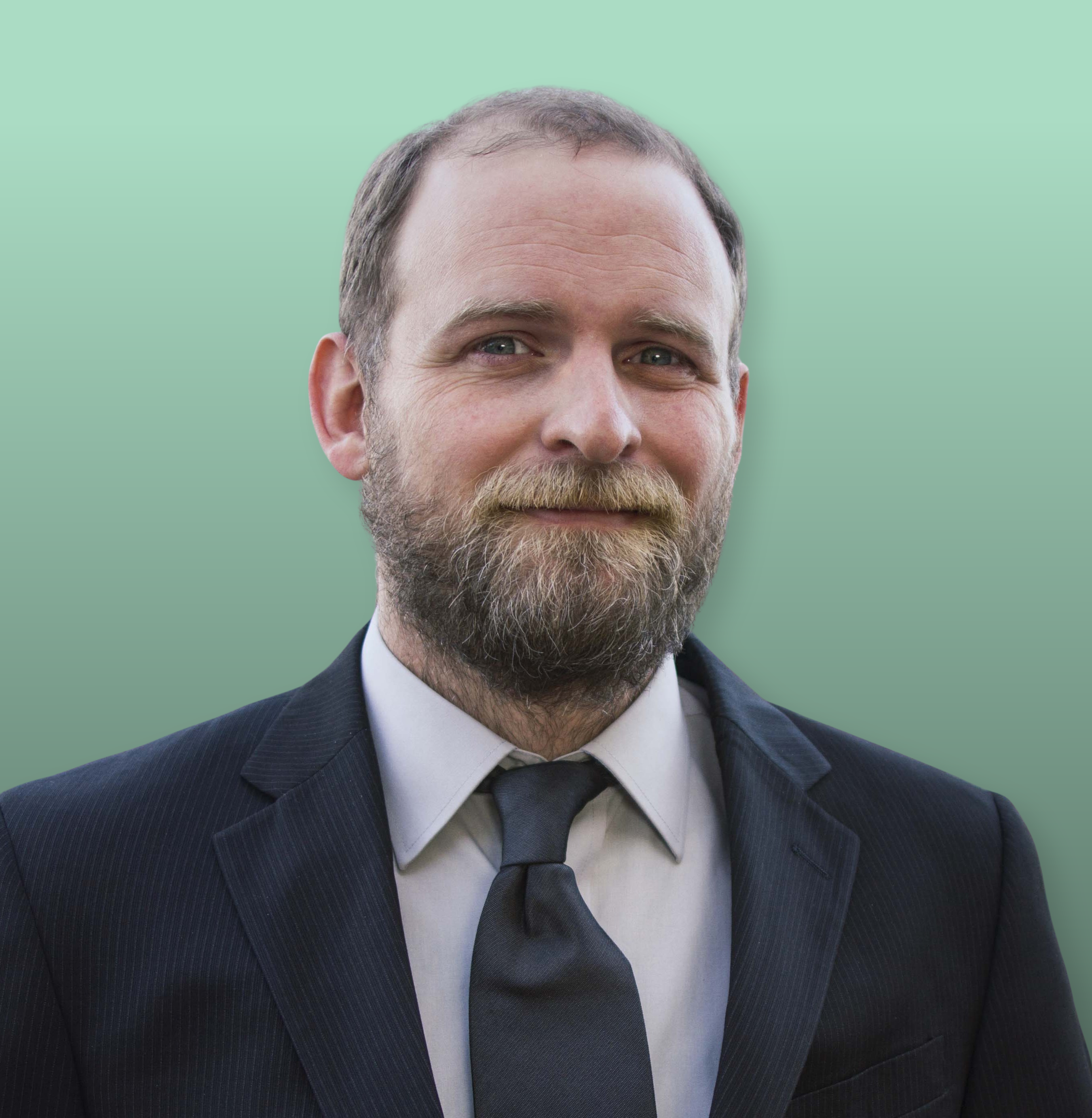
"Through therapy, I’ve learned to understand and help manage thinking patterns, turning awareness into action and gaining real improvements for my patients’ mental health."
I feel so much better after my appointments with Dillan.
Valentina, verified patient of Dillon
Testimonials are from real patients who completed a post-session satisfaction survey and agreed to share their feedback. Results may vary.
Why did you decide to become a counselor or psychiatric provider?
I was drawn to the field of counseling because I’ve always had a genuine desire to help others navigate life’s challenges. Throughout my life, people have naturally gravitated toward me for support, often sharing that they feel comfortable, heard, and at ease when talking with me. These experiences inspired me to pursue a career where I could turn that natural sense of connection and empathy into meaningful, professional support. Being a therapist allows me to combine my passion for helping others with the skills and knowledge needed to guide individuals toward healing, growth, and lasting change.
What types of clients do you work best with?
In my clinical practice, I have had the privilege of working with individuals facing a wide range of mental health challenges, including depression, anxiety, and emotional disturbances. I understand how deeply these experiences can impact daily functioning, self-esteem, and relationships, and I strive to create a safe, nonjudgmental space where clients can explore their thoughts and emotions openly. I also have experience supporting clients within the LGBTQIA+ community, and I am committed to providing affirming, culturally competent care that respects each person’s identity and lived experience. Whether addressing mood disorders, identity exploration, or the emotional effects of marginalization, my approach is compassionate, client-centered, and grounded in evidence-based practices that support healing and resilience
What's one thing you wish all clients knew about therapy, mental health, or the healing process?
One important insight I share with clients is that therapy is a process of change—often in ways they may not anticipate at the outset. Even if someone enters therapy with a specific goal or simply a desire to feel better, the work often leads to deeper self-awareness, shifts in perspective, and changes in behavior or relationships. I encourage clients to reflect on what they hope to gain from therapy, even if that understanding is unclear or evolves over time. Having a sense of purpose at the beginning helps create direction, while remaining open to unexpected growth allows the process to unfold more fully. Therapy isn’t always about having all the answers right away—it’s about being willing to explore, engage, and move forward, even if the path shifts along the way.
What can clients expect in their first session with you and in the early stages of therapy?
At the beginning of therapy, there is often a natural period of building comfort and establishing a strong therapeutic relationship. This foundation of trust and safety is essential for meaningful progress and allows clients to engage more openly in the process. That being said, I also recognize that every individual comes to therapy with different needs and levels of readiness. If a client arrives at the first session feeling prepared to dive into their concerns and begin working right away, I fully support that and am ready to meet them where they are. Whether someone needs time to ease into the process or is eager to hit the ground running, I tailor my approach to honor their pace, goals, and comfort level.
What personal experiences or values inform your practice as a therapist/provider?
My professional experiences across several roles in the mental health field have shaped an eclectic and flexible approach to therapy. Drawing from diverse clinical settings and client populations, I’ve learned to adapt my methods to best meet the unique needs of each individual. This background allows me to integrate various therapeutic techniques while maintaining a strong foundation in evidence-based practices. My primary goal is to help clients achieve the improvements they’re seeking, whether that involves reducing symptoms, gaining insight, or navigating life transitions. At the same time, I believe therapy can be an ongoing process of growth, and I remain attentive to identifying additional areas for development or healing once initial concerns have been addressed. This layered approach supports both immediate goals and long-term well-being.
How do you tailor therapy to meet each client’s unique needs?
In my work with clients, I make it a priority to meet them where they are—emotionally, mentally, and in terms of readiness for change. I begin by focusing on the concerns that feel most pressing or present for them, while also exploring other underlying or coexisting issues that may be impacting their well-being. I believe that therapy should be a collaborative and client-centered process, so I regularly check in to ensure we are aligned with what each individual hopes to gain from our work together. By keeping their goals and needs at the forefront of treatment, I’m able to adapt our approach as those needs evolve, ensuring therapy remains relevant, effective, and grounded in what matters most to them.
- Years in practice
- 13 years
- Graduating institute
- Tarleton University
- Graduating degree
- Masters of Science in Counseling Psychology.