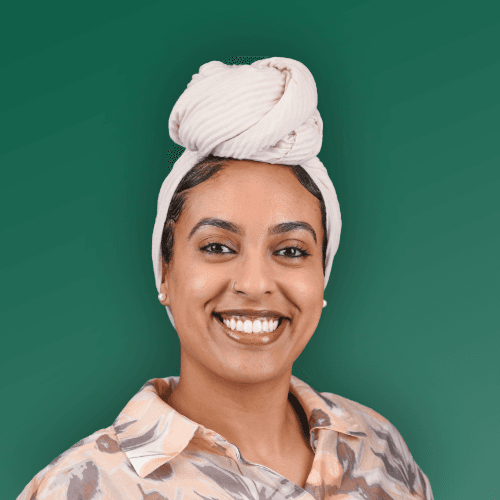
Dahnia Yusuf
she/herLicensed Professional Counselor (LPC)

 Life Transition, Stress / Mental Stress / Work Stress, Trauma / PTSD, Depression, Anxiety

All insurance carriers and plans
Self pay costs
Out-of-pocket session costs for clients who don’t have insurance or aren’t covered by their insurance for mental health services.
Hi, I’m Dahnia Yusuf, a Licensed Professional Counselor (LPC) passionate about helping individuals navigate life’s challenges and develop a deeper understanding of themselves. As a Black Muslim woman, I recognize the importance of culturally sensitive care and the impact identity, culture, and life experiences can have on mental health. I enjoy working with individuals experiencing anxiety, depression, stress, life transitions, relationship challenges, or difficulties with self-esteem and identity. My goal is to provide a warm, supportive, judgment-free space where clients feel comfortable showing up as their authentic selves.
I take a personalized, collaborative approach to therapy, drawing on evidence-based techniques to help you recognize patterns, navigate difficult emotions, and make meaningful changes. Our sessions may include exploring past experiences and strengthening coping strategies. I also consider how cultural background and identity influence your well-being.
You don’t have to have everything figured out to begin making meaningful changes. Wherever life finds you right now, I invite you to take a step toward understanding yourself more deeply and creating a life that feels more aligned with who you are. When you feel ready, I welcome you to schedule an appointment and begin this work together.

"As a Black Muslim woman and therapist, I understand the importance of feeling seen, heard, and understood, and I strive to create a safe, culturally sensitive space where clients can embrace their identities, navigate life’s challenges, and feel empowered in their healing journey."
Why did you decide to become a counselor or psychiatric provider?
I chose to become a counselor because I’ve always been drawn to understanding people beyond what they show on the surface. I believe our experiences, relationships, and the environments we grow up in shape so much of how we see ourselves and navigate the world. As a Black Muslim woman, I recognize how meaningful it can be to feel understood without having to explain or justify every part of who you are. I wanted to be someone who helps others feel comfortable showing up as their full selves while working through life’s challenges. Being a counselor gives me the opportunity to build genuine connections, help people recognize their own strengths, and support them in creating lives that feel more peaceful, fulfilling, and true to who they are.
What types of clients do you work best with?
I connect well with clients who are willing to be honest about what they’re struggling with, even when they don’t have all the answers.You don’t have to come to therapy knowing exactly what you need or how to explain what you’re feeling. Sometimes, you just know something needs to change, and we can start there.
What's one thing you wish all clients knew about therapy, mental health, or the healing process?
I wish every client knew that healing isn’t a straight line, and you don’t have to have everything figured out to deserve support. Some days, progress looks like making a big change, and other days, it’s simply getting through the day or giving yourself the grace you would so easily give someone else. You’re allowed to have setbacks, change your mind, and take your time. Therapy isn’t about becoming a completely different person; it’s about understanding yourself better, learning what you need, and finding ways to show up for yourself that feel healthier and more authentic.
What can clients expect in their first session with you and in the early stages of therapy?
In our first session, we’ll spend time getting to know each other, talking about what brought you to therapy, and exploring what you hope to get out of the experience. You don’t need to have the right words or know where to start; we’ll figure that out together. In the beginning, we’ll focus on understanding your experiences, identifying what feels most important to you, and building a foundation for our work together. My goal is for you to feel comfortable being yourself, asking questions, and moving at a pace that feels right for you. Therapy is a process, and we’ll take it one step at a time.
What personal experiences or values inform your practice as a therapist/provider?
As a Black Muslim woman, my own experiences have shaped how I understand the importance of identity, belonging, and feeling understood. I recognize that people carry experiences and expectations that others may not always see, and I value creating space for clients to explore those parts of themselves openly. I believe in leading with empathy, being curious rather than making assumptions, and meeting people with compassion instead of judgment. I also believe that everyone’s story is their own, and my role is not to tell clients who they should be, but to help them better understand themselves and make choices that align with their values and the life they want to build.
How do you tailor therapy to meet each client’s unique needs?
I recognize that no two people experience life in the same way, so I don’t believe therapy should look the same for everyone. I take time to understand each client’s background, relationships, values, and what they’re hoping to work through. Some clients may need practical tools to manage anxiety or stress, while others may need space to process past experiences, explore their identity, or work through patterns that no longer serve them. I adjust my approach based on what feels most helpful to each person, checking in along the way and making room for their feedback. My goal is to make therapy feel relevant to your actual life, not just what we discuss in session.
- Graduating institute
- Southern Methodist University
- Graduating degree
- Specialty in Child & Adolescent