
Virginia Berling
she/herLicensed Professional Counselor Associate (LPCA)

 Parenting, Relationships, Trauma / PTSD, Anxiety, Depression
Self pay costs
Out-of-pocket session costs for clients who don’t have insurance or aren’t covered by their insurance for mental health services.
I am a licensed professional counselor associate with a background in clinical mental health counseling and experience working with individuals, couples, and adolescents. I support clients facing anxiety, depression, trauma, relationship challenges, and identity concerns. My clients often seek greater self-understanding, emotional balance, and healthier coping strategies, and I work collaboratively to help them build resilience and create meaningful, lasting change.
I use a compassionate, client-centered approach tailored to each individual, integrating evidence-based techniques to support growth and healing. I specialize in anxiety, trauma, and crisis support, helping clients build insight, develop coping skills, and create meaningful, lasting change in a safe, supportive space.
You don't have to navigate this alone. I'm here to meet you where you are, with understanding and support, as you move toward the life you want to create. When you're ready, I invite you to take the next step and begin your journey toward healing and growth.

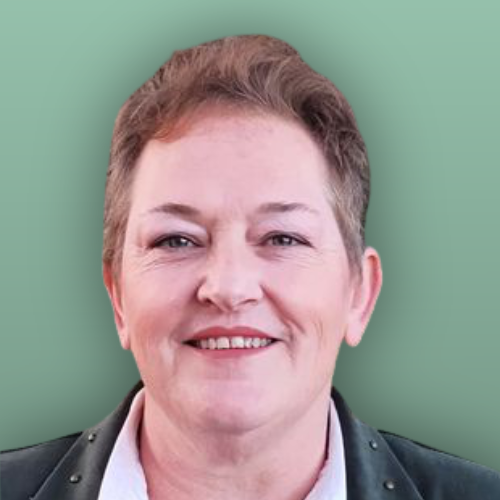
"I know how hard it can be to carry pain for years without support, so I strive to offer a space where you can finally feel understood, safe, and not alone in your healing. "
Why did you decide to become a counselor or psychiatric provider?
My path to becoming a mental health provider is deeply personal. I experienced significant mental, emotional, physical, and sexual abuse during childhood, which shaped how I saw myself and impacted my relationships, self-esteem, and overall sense of well-being for many years. Without access to meaningful psychological support until my late twenties, I understand how isolating and overwhelming it can feel to navigate these challenges alone. Because of this, I am especially passionate about helping others feel seen, heard, and supported earlier in their journey. I strive to create a safe, nonjudgmental space where clients can process their experiences, rebuild their sense of self, and develop the tools needed to move forward with confidence and resilience. I believe healing is possible, and you don’t have to go through it alone.
What types of clients do you work best with?
I work best with individuals who are navigating the effects of past trauma, including emotional, physical, or sexual abuse. Many of my clients struggle with self-esteem, selfworth, relationship challenges, and the lasting impact of experiences that were never fully processed or supported. I am especially well-suited to support adults who feel stuck in patterns that no longer serve them, are working to heal from difficult childhood experiences, or are seeking a deeper understanding of themselves. I also work well with clients who may be new to therapy or who have gone without support for long periods and are ready to begin their healing journey. If you’re looking for a space where you can be open, feel understood, and begin to rebuild your sense of self at your own pace, we may be a good fit.
What's one thing you wish all clients knew about therapy, mental health, or the healing process?
One thing I wish all clients knew is that healing is not linear—and that’s completely okay. There is no “right” way or timeline for growth. Some days will feel like progress, while others may feel heavy or uncertain, but both are meaningful parts of the process. Therapy is not about “fixing” you, because you are not broken. It’s about understanding your experiences, building selfawareness, and developing the tools and compassion needed to move forward in a way that feels authentic to you. You don’t have to have everything figured out to begin—just a willingness to show up is enough.
What can clients expect in their first session with you and in the early stages of therapy?
In your first session, you can expect a relaxed, supportive conversation as we begin to get to know each other. We’ll talk about what brings you to therapy, any concerns or goals you may have, and relevant background information that can help guide our work together. There is no pressure to share everything at once—we move at a pace that feels comfortable for you. In the early stages of therapy, our focus is on building trust, creating a sense of safety, and gaining a deeper understanding of your experiences, patterns, and needs. We’ll begin identifying goals and exploring practical tools and coping strategies to support you between sessions. Most importantly, you can expect a nonjudgmental space where you are heard, respected, and supported as you begin your healing process.
What personal experiences or values inform your practice as a therapist/provider?
My practice is grounded in both professional training and lived experience. Having navigated the long-term impact of childhood trauma and the challenges of healing without early support, I bring a deep sense of empathy, patience, and understanding to the therapeutic space. I know how difficult it can be to open up, to trust the process, and to begin again—and I honor the courage it takes for each client to show up. I value authenticity, compassion, and creating a space where clients feel safe, respected, and truly heard. I believe in meeting people where they are, without judgment, and working collaboratively to support their growth. My approach is rooted in the belief that healing is possible and that each person deserves the opportunity to build a life that feels meaningful, empowered, and aligned with who they are.
How do you tailor therapy to meet each client’s unique needs?
I recognize that each client brings their own unique experiences, strengths, and needs into therapy, so I do not take a one-size-fits-all approach. I tailor my work by first taking the time to understand your story, your goals, and what feels most important to you. From there, I draw from a range of evidence-based approaches and adjust both the pace and focus of our sessions to match where you are in your healing process. Some clients may benefit from developing practical coping skills and structure, while others may need space to process deeper experiences or build self-understanding. Many benefit from a combination of both. I also regularly check in to make sure therapy feels helpful and aligned with your needs, and I welcome feedback so we can adjust our approach as we go. My goal is to create a collaborative experience that feels supportive, relevant, and meaningful to you.
- Years in practice
- 11 years
- Graduating institute
- University of Phoenix
- Graduating degree
- Master of Science Counseling: Clinical Mental Health Counseling