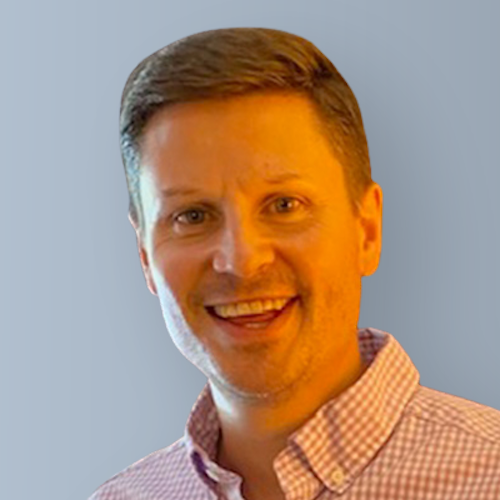
Steven Smalls
he/himLicensed Master Social Worker (LMSW)

 Stress / Mental Stress / Work Stress, Trauma / PTSD, Military / Veteran, First Responders, Depression, Coping Skills, Self Esteem, Men’s Issues, Relationships, Mood Disorders
Self pay costs
Out-of-pocket session costs for clients who don’t have insurance or aren’t covered by their insurance for mental health services.
I'm a Licensed Master Social Worker (LMSW) with 8 years of clinical experience and a Master of Social Work from Fordham University. As an Air Force Veteran and former locomotive engineer who rebuilt after a life-changing occupational incident, I work with adults in high-stress, high-stakes careers — Veterans, first responders, transportation workers, and professionals navigating trauma, burnout, grief, or major life transitions, and seeking clarity, stability, and direction.
My approach is trauma-informed, direct, and practical. I draw on cognitive behavioral therapy, mindfulness-based tools, and motivational interviewing to help clients process what they've carried, build effective coping strategies, and regain a sense of control. Expect a calm, collaborative space and steady forward movement at your pace.
Reaching out is often the hardest part. Whatever you're carrying right now, you don't have to figure it out alone. When you're ready, I'm here to help you move forward with clarity, steadiness, and a plan that fits your life. Take the next step when the timing is right for you.

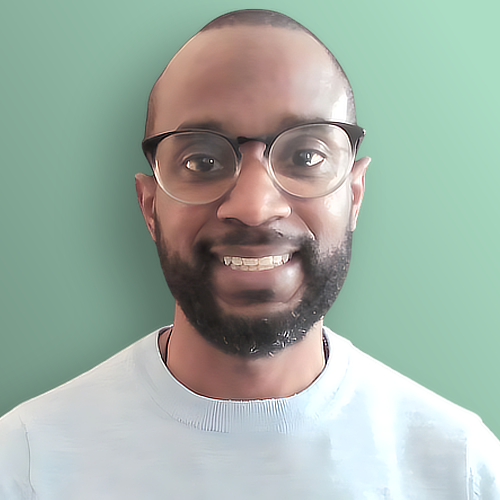
"I help clients navigate life’s toughest transitions with clarity and resilience, drawing from my own journey of rebuilding after a life-changing accident and discovering the strength that grows through adversity."
Why did you decide to become a counselor or psychiatric provider?
I became a counselor after a major occupational incident forced me to rebuild — physically, mentally, and professionally. As an Air Force Veteran and former locomotive engineer, I learned firsthand how much steady, structured support matters when life shifts under you. That experience led me into social work and clinical practice, where I now help Veterans, first responders, transportation workers, and high-stress professionals work through trauma and transition with clarity, stability, and direction.
What types of clients do you work best with?
I work best with adults navigating trauma, stress, or major life transitions, including Veterans, first responders, and high-pressure professionals. I also support clients rebuilding identity, managing burnout, or seeking clarity and stability during difficult chapters.
What's one thing you wish all clients knew about therapy, mental health, or the healing process?
Healing isn’t about perfection—it’s about understanding yourself, taking small steady steps, and practicing self-compassion along the way. You don’t need to have everything figured out to start; you just need a safe space to grow at your own pace.
What can clients expect in their first session with you and in the early stages of therapy?
In our first session, clients can expect a calm, grounded space where they can talk openly and be met with genuine, active listening. We’ll start by getting to know your story, what you’re carrying, and what you hope to change. In the early stages of therapy, we’ll focus on building trust, exploring your goals at your pace, and creating a clear direction for our work together so you feel supported, understood, and grounded from the start.
What personal experiences or values inform your practice as a therapist/provider?
My practice is shaped by what it actually takes to rebuild after something disruptive — the slow days, the setbacks, and the steady work of putting a life back together. I bring that perspective into the room: clear communication, grounded presence, and a genuine understanding that change isn't linear. Clients don't need to perform or arrive 'ready.' They need a space where the work is honest and the pace is theirs.
How do you tailor therapy to meet each client’s unique needs?
I tailor therapy by meeting each person exactly where they are. I take time to understand their story, strengths, and goals, and I view clients as the experts of their own experience. My role is to support and guide at their pace. Whether someone needs structure, grounding skills, or space to process, I use a flexible, trauma-informed approach focused on active listening, collaboration, and creating a plan that feels realistic and supportive for their unique situation.
- Years in practice
- 8 years
- Graduating institute
- Fordham University
- Graduating degree
- Master of Social Work