Jean Fisher
she/herLicensed Professional Counselor (LPC)

 Women’s Issues, Anxiety, Depression, Grief, Parenting
Self pay costs
Out-of-pocket session costs for clients who don’t have insurance or aren’t covered by their insurance for mental health services.
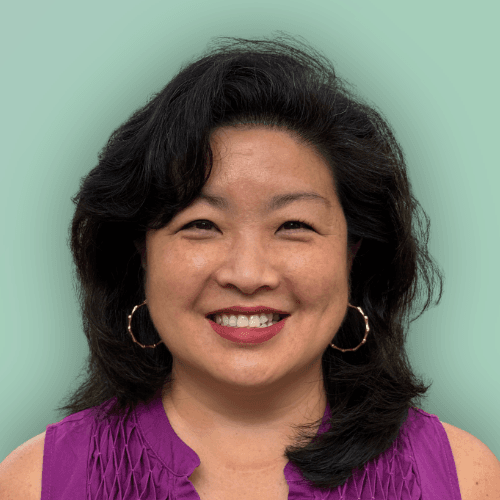
I am a Licensed Clinical Mental Health Counselor (LCMHC) serving clients in North Carolina and South Carolina. Before becoming a therapist, I spent decades in education as a K-12 Art and Special Education Teacher in the Chicago Public Schools, and homeschooling students with learning, behavioral, and emotional disabilities. I am trauma-informed and trained in EMDR, Expressive Arts, Person-Centered, and CBT, and am working toward RPT certification. I work with individuals navigating life transitions, relationships, attachment, anxiety, depression, grief, and trauma, helping them move toward resilience, authenticity, and hope.
My approach is holistic, trauma-informed, and strengths-based, recognizing that healing involves mind, body, emotions, and relationships. I draw from EMDR, Expressive Arts, Person-Centered Therapy, CBT, and play-based approaches tailored to each client's needs, pace, and goals. Together, we build emotional awareness, coping skills, resilience, and hope.
You don't have to navigate life's challenges alone. I offer a compassionate, nonjudgmental space where you can feel seen, heard, and accepted as you are. We can take the next steps together, at a pace that feels right for you. I invite you to schedule an appointment; I would be honored to walk alongside you toward healing, resilience, and hope.

"I believe healing begins when we feel truly seen and understood, and I bring my lived experience, cross-cultural perspective, and holistic, strengths-based approach to create a safe space where you can explore your story, reconnect with your strengths, and move forward with hope."
Why did you decide to become a counselor or psychiatric provider?
I became a counselor because I believe our wounds and broken places do not have to be the end of our story. The Japanese art of kintsugi, or “golden joinery,” is a meaningful image for me. Rather than hiding the cracks in a broken object, kintsugi repairs them with precious metal and highlights them as part of the object’s history. I see a similar possibility in the counseling process: our experiences can shape us without defining us, and healing can bring forth strength, meaning, and beauty in unexpected ways. My own journey has taught me the importance of being willing to pause, reflect, and honestly explore what is happening within. My father used to tell me that the longest journey a person takes is from the head to the heart. I continue to walk that journey myself. I believe that developing greater selfawareness, compassion, and authenticity allows me to be more present and genuine in my work with others. I became a counselor because I want to offer a safe space where people can bring the parts of their stories they may have felt they needed to hide or carry alone. Grounded in hope, self-reflection, and a belief in the possibility of healing, I want to walk alongside clients as they discover that their wounds are not the end of their story—and that there can be growth, resilience, and renewed hope in what comes next.
What types of clients do you work best with?
I work best with individuals who are navigating life transitions, relational or family challenges, adoption, attachment disruptions, anxiety, depression, health challenges, grief and loss, trauma, cultural or identity experiences, and seasons of uncertainty or change. I get excited working with clients who are curious about themselves and willing to explore beneath the surface to better understand their thoughts, emotions, relationships, and patterns. I welcome clients of different ages and backgrounds, including children, adolescents, adults, parents, couples and families. My background in education and adoption gives me a particular appreciation for children and young people who may express their emotions through creativity, or play rather than words. I also value working with adults who are carrying the weight of past experiences, navigating major transitions, or seeking to reconnect with who they are and what matters most to them. My ideal clients does not need to have everything figured out. They simply need a willingness to humbly begin working through their process. I offer a compassionate, nonjudgmental space to work through the process of what has happened, recognize existing strengths, develop practical tools, and move toward greater resilience, authenticity, and hope.
What's one thing you wish all clients knew about therapy, mental health, or the healing process?
One thing I wish every client knew is that healing does not mean becoming the person you were before you were hurt—it means discovering who you are becoming through the process. Our wounds, losses, and difficult experiences can leave lasting marks, but they do not have to define the rest of our story. The therapeutic process is not about “fixing” what is broken or having all the answers; it is a place to slow down, become curious about yourself, reprocess what you have been carrying, and discover strengths that may have been hidden beneath the pain. I have experienced healing takes time, courage, and compassion, and you do not have to walk that journey alone. From this place, I can gently challenge clients to explore their thoughts, feelings, and behaviors, while supporting them as they take meaningful steps toward their goals and the future they desire. I believe therapeutic goals are most helpful when they are simple, specific, stated positively, meaningful to the client, and realistic. Ultimately, I want clients to develop the insight, confidence, and resilience to participate actively in their own healing and move forward with hope.
What can clients expect in their first session with you and in the early stages of therapy
In our first intake session, my priority is to help you feel welcomed, safe in confidentiality, and heard. We will begin getting to know one another, talking about what has been happening in your life to bring you to therapy, and what you hope to gain from the process. I will listen with curiosity as I begin to understand your story, strengths, challenges, relationships, and goals. You do not need to have everything figured out or know exactly what to say. In the early stages of therapy, we will move at a pace that feels appropriate for you because I believe the counselor should not work harder than the client. I see my role is to walk alongside and reflect with you so that your own insights and realizations can emerge as you identify specific, realistic goals that are meaningful to you and begin taking manageable steps toward them. My hope is that the therapeutic process is a collaborative space where you can be honest, curious, and fully yourself. As we build trust and understanding, we will work together toward greater selfawareness, resilience, and hope for the future as you experience healing.
What personal experiences or values inform your practice as a therapist/provider?
My personal experiences and values have deeply shaped the way I practice as a therapist. As a bilingual Korean-American professional, I value crosscultural communication, relationship building, adaptability, and resilience. My family experiences have also given me a personal understanding of adoption, the stressors of nursing school and medical school trainings, the impact that frequent relocations, attachment disruptions, separation-divorce challenges, and navigating different crosscultures can have on individuals and families. These experiences have taught me the importance of creating space for people to process their wounds while also discovering how those experiences can become sources of strength. As a cancer survivor, I have also experienced disruption, uncertainty, and the process of valuing women's health as I found my way back to wellness. Rediscovering my love of painting, gardening, music, and movement reminded me of the importance of somatic practices that ground us and reconnect us with ourselves. These experiences inform my empathetic, and resiliencefocused approach to supporting clients through seasons of loss, change, and transition. I am trauma-informed and trained in Eye Movement Desensitization and Reprocessing (**EMDR**), Expressive Arts, CognitiveBehavioral Therapy (**CBT**), and Person-Centered Therapy. I am currently working toward becoming a **Registered Play Therapist (RPT)**. I use a multimodal, holistic, and strengths-based approaches, tailoring therapy to each client’s unique needs, pace, values, and goals. Above all, I believe every person is a whole being—mind, body, emotions, relationships, and spirit. I am passionate about helping clients build lasting psychological resilience, process relational dynamics and life stressors, and move toward living authentically with hope in an ever-changing world. My own journey reminds me that healing is not about erasing our experiences, but learning how to carry our stories differently and discover what is possible beyond them.
How do you tailor therapy to meet each client’s unique needs?
I tailor therapy by first getting to know the whole person—not simply the presenting concern. I listen carefully to each client’s story, culture, relationships, experiences, strengths, values, and goals, recognizing that no two people experience the same challenge in exactly the same way. I believe the client is the expert on their own life, so we collaborate to identify what is most important to them and move at a pace that feels appropriate and manageable. I use a multimodal approach, drawing from Motivational Interviewing, Internal Family Systems, EMDR, Expressive Arts, Person-Centered Therapy, CBT, and play-based approaches when appropriate. Depending on the client and what they need, therapy may include conversation and reflection, practical coping tools, creative expression, bodybased awareness, or structured therapeutic techniques. I remain flexible and adjust our approach as the client grows and their needs change. My goal is not to work harder than the client, but to walk alongside them—reflecting, encouraging, and gently challenging them to explore their thoughts, feelings, and behaviors. Together, we develop simple, specific, realistic goals that are meaningful to the client and take manageable steps toward healing, resilience, and a hopeful future.
- Years in practice
- 5 years
- Graduating institute
- Liberty University
- Graduating degree
- M.A. in Clinical Mental Health Counseling