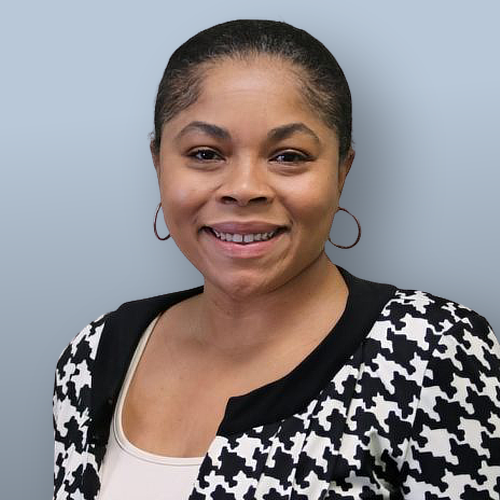
Carolyn Privette
she/herLicensed Independent Social Worker - Clinical Practice (LISW-CP)

 Substance Use, Depression, Anxiety, Dual Diagnosis, Trauma / PTSD, Alcohol Use
Self pay costs
Out-of-pocket session costs for clients who don’t have insurance or aren’t covered by their insurance for mental health services.
I am a Licensed Independent Social Worker–Clinical Practice (LISW-CP) with 20 years of experience supporting individuals and families through life's most challenging moments. My work has spanned hospital emergency rooms, crisis hotlines, K-12 schools, dual-diagnosis programs, community outreach, health homes, substance use programs, home health, clinics, private practice, and virtual care. I work with people experiencing depression, anxiety, trauma, grief, substance use concerns, relationship stress, life transitions, or crisis. I strive to create a safe, nonjudgmental space where you can speak honestly and feel respected.
My therapeutic approach is compassionate, collaborative, and practical. Meaningful progress begins with feeling heard and understood. I often use Cognitive Behavioral Therapy (CBT), Solution-Focused Brief Therapy, and Trauma-Focused Cognitive Behavioral Therapy (TF-CBT) to help clients develop insight, strengthen coping skills, and create meaningful change.
Taking the first step toward therapy can feel vulnerable. You do not have to walk in with all the answers. You are not alone. You are not broken. And your dreams still matter. I will meet you with compassion, respect, and without judgment. I would be honored to hear your story and walk alongside you toward stability, healing, and hope.

"I believe that every person has strengths within them, even during the moments when life makes those strengths difficult to see, and I am honored to walk alongside my clients as they rediscover their strength, hope, and sense of direction."
Why did you decide to become a counselor or psychiatric provider?
I decided to become a counselor because I have always believed in the power of helping people feel seen, heard, and supported during difficult seasons of their lives. Throughout my more than 20 years in social work, I have had the privilege of walking alongside individuals and families experiencing some of life’s most challenging circumstances, including mental health concerns, trauma, substance use, grief, family stress, and major life transitions. Over the years, I have witnessed how meaningful it can be when someone has a safe space to speak openly without fear of judgment. I have also seen people discover strengths they did not realize they had and begin to believe in themselves again. For me, counseling is more than helping someone manage symptoms. It is about helping people understand their experiences, reconnect with their strengths, develop practical tools, and recognize that change and healing are possible. I find purpose in being able to walk alongside clients as they find their footing, regain a sense of direction, and move toward greater stability, healing, and hope.
What types of clients do you work best with?
I work best with clients who are ready to be supported through life’s challenges, whether they are experiencing depression, anxiety, trauma, substance use concerns, grief, family stress, major life transitions, or periods of feeling overwhelmed, stuck, or uncertain about what comes next. I enjoy working with individuals and families from diverse backgrounds and across different stages of life. My experiences in hospitals, crisis settings, schools, colleges, substance use programs, medical and mental health clinics, community settings, private practice, and virtual care have allowed me to develop a flexible approach and connect with people in many different circumstances. I especially value working with clients who may feel that they have lost their sense of direction or are struggling to recognize their own strengths. I believe that wherever someone is starting from, there is an opportunity to build greater insight, develop healthier coping strategies, and create meaningful change.
What's one thing you wish all clients knew about therapy, mental health, or the healing process?
I want every client to know that healing is not about being perfect, having all the answers, or changing everything at once. Progress takes time, and it can look different for every person. You do not have to have everything figured out before coming to therapy. You simply have to be willing to take the next step. There may be days when progress feels obvious and other days when it feels like you are standing still. Both are part of the process. Therapy is a space where you can slow down, be honest about what you are experiencing, learn from your experiences, and develop practical tools to help you move forward. Most importantly, I want clients to remember: you are not alone, you are not broken, and your dreams still matter. Asking for help is not a weakness. It is an act of courage and an important step toward taking care of yourself.
What can clients expect in their first session with you and in the early stages of therapy?
In our first session, my priority is to help you feel comfortable and heard. We will talk about what brought you to therapy, what you have been experiencing, and what feels most important for us to address. We will also begin identifying your goals and discussing what you hope will be different as a result of therapy. I will take the time to understand your circumstances rather than rushing to conclusions or trying to fit you into a predetermined approach. As we move forward, we will develop a collaborative plan based on your needs and goals. Depending on what you are experiencing, our work may include exploring thoughts and emotions, understanding patterns, processing difficult experiences, developing coping skills, improving relationships, managing symptoms, or navigating life transitions. I use approaches such as Cognitive Behavioral Therapy (CBT), SolutionFocused Brief Therapy, and Trauma-Focused Cognitive Behavioral Therapy (TFCBT) when appropriate. You can expect our work to be supportive, practical, and collaborative. We will move at a pace that respects where you are while continuing to work toward where you want to be.
What personal experiences or values inform your practice as a therapist/provider?
My practice is deeply informed by the values of compassion, respect, cultural awareness, resilience, and the belief that every person deserves to be treated with dignity. More than 20 years of working with individuals and families across emergency, crisis, educational, medical, mental health, substance use, community, and private practice settings have taught me that every person has a unique story. Those experiences have reinforced the importance of listening before making assumptions and understanding the whole person rather than focusing only on a diagnosis or presenting concern. I believe people are more than the circumstances they are experiencing. Even during difficult times, there are often strengths, resources, relationships, and possibilities that can become the foundation for change. I bring that perspective into my work by meeting clients where they are, honoring their individual experiences and backgrounds, and creating a space where they can feel safe enough to be honest, vulnerable, and hopeful about what is possible.
How do you tailor therapy to meet each client’s unique needs?
I tailor therapy by first getting to know the person behind the presenting concern. I want to understand your experiences, strengths, relationships, circumstances, culture, goals, and what you feel you need most from therapy. I do not believe therapy should be a one-size-fits-all experience. Two people may come to therapy with similar symptoms but need very different types of support. My approach is therefore flexible and collaborative, allowing us to adjust our work as your needs change. I draw from therapeutic approaches such as CBT, Person Centered Therapy, Solution-Focused Brief Therapy, and TF-CBT, selecting strategies that are appropriate for your goals and circumstances. We may focus on practical coping skills, challenging unhelpful thought patterns, building insight, processing trauma, strengthening resilience, navigating relationships, or identifying achievable steps toward the future you want. I also believe your feedback matters. Throughout therapy, I want you to feel comfortable sharing what is helpful, what is not, and what you need more or less of. My role is to provide clinical guidance and support while working with you—not simply telling you what to do. Ultimately, I want our work together to help you feel more understood, more capable, and more confident in your ability to navigate life’s challenges.
- Years in practice
- 26 years
- Graduating institute
- CUNY - Hunter School of Social Work
- Graduating degree
- Master of Social Work