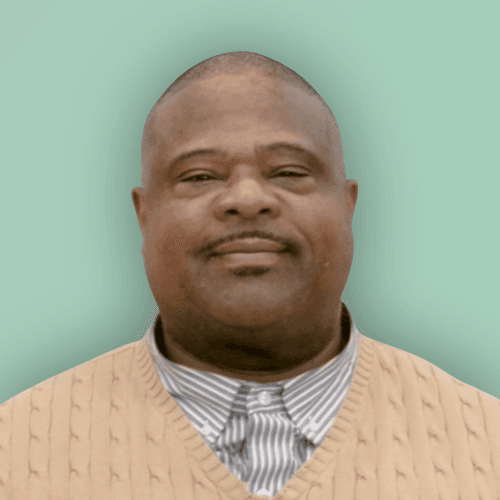
Walter Davis
he/himLicensed Associated Professional Counselor (LAPC)

 Coping Skills, Anxiety, Stress / Mental Stress / Work Stress, Depression, Mood Disorders, Anger Management, Behavioral Issues, Impulse Control Disorders, Trauma / PTSD, Life Transition
Self pay costs
Out-of-pocket session costs for clients who don’t have insurance or aren’t covered by their insurance for mental health services.
I believe meaningful change begins with a trusting therapeutic relationship in which each
client feels heard, respected, and understood. With more than 21 years of behavioral health
experience, I have supported children, adolescents, adults, and families facing emotional,
behavioral, relational, and life challenges. My background also includes extensive work with
people affected by co-occurring mental health and substance use concerns and involvement
in the justice system.
My approach is compassionate, collaborative, and practical. I draw from evidence-based
methods, including Cognitive Behavioral Therapy, Motivational Interviewing, trauma-informed
care, and strengths-based interventions. Together, we identify patterns that may be keeping
you stuck, build useful coping and communication skills, and develop realistic steps toward
the changes you want to make.
I provide a safe, supportive, and judgment-free space where clients can speak honestly,
build resilience, and recognize the strengths they already possess. I work with concerns such
as anxiety, depression, trauma, anger, behavioral challenges, low self-esteem, relationship
difficulties, and major life transitions. I understand that no two clients share the same story,
so treatment is tailored to your needs, values, goals, and pace.
My role is not to judge or dictate your path. It is to listen closely, offer honest support, and
help you move forward with greater clarity, confidence, and control. If you are ready to make
meaningful and lasting changes, I am prepared to walk alongside you throughout that
process.


"I believe meaningful change begins with a trusting therapeutic relationship where every client feels heard, respected, and understood. With more than 21 years of experience working with children, adolescents, adults, families, and individuals involved in the behavioral health and justice systems, I understand that every person's journey is unique. My approach is compassionate, collaborative, and grounded in evidence-based practices such as Cognitive Behavioral Therapy (CBT), Motivational Interviewing, and strengths-based interventions. I strive to create a safe, supportive, and judgment-free environment where clients can explore their challenges, build resilience, develop practical coping skills, and recognize the strengths they already possess. Whether you are navigating anxiety, depression, trauma, behavioral concerns, life transitions, or relationship challenges, I am committed to walking alongside you with empathy, respect, and encouragement as you work toward meaningful and lasting change."
Why did you decide to become a counselor or psychiatric provider?
I decided to become a counselor because I believe everyone deserves the opportunity to overcome life's challenges and build a meaningful future. Throughout my career, I have worked with children, adolescents, adults, individuals with cooccurring mental health and substance use disorders, and those involved in the criminal justice system. I have seen firsthand that, with the right support, people can develop healthier coping skills, strengthen relationships, and create lasting change. My passion is helping clients recognize their strengths, overcome barriers, and achieve goals they once believed were out of reach. With more than 21 years of experience in behavioral health, I remain committed to providing compassionate, evidencebased care that empowers individuals and families to move forward with confidence and hope.
What types of clients do you work best with?
I work best with children, adolescents, and adults who are motivated to improve their emotional well-being and develop practical skills for navigating life's challenges. I have extensive experience helping individuals struggling with anxiety, depression, trauma, behavioral concerns, anger management, substance use, and cooccurring mental health conditions. I also enjoy working with families to strengthen communication, improve relationships, and create supportive home environments. My background includes serving individuals involved in the criminal justice system and those facing significant life transitions.
What's one thing you wish all clients knew about therapy, mental health, or the healing process?
One thing I wish every client knew is that healing is not about being perfect—it's about making consistent progress. Therapy is a partnership where you can be honest, vulnerable, and yourself without fear of judgment. Real change takes time, patience, and practice, but every small step forward matters. My role is to provide a safe, supportive environment, teach practical tools, and help you recognize strengths you may not yet see in yourself. No matter where you're starting from, meaningful and lasting change is possible when you're willing to stay engaged in the process.
What can clients expect in their first session with you and in the early stages of therapy?
During our first session, my priority is getting to know you and understanding what brings you to therapy. We'll discuss your current concerns, personal history, strengths, goals, and what you hope to achieve. I also want to answer any questions you have so you feel comfortable and understand what to expect from the therapeutic process. There is no pressure to share everything at once—we'll move at a pace that feels right for you.
What personal experiences or values inform your practice as a therapist/provider?
My approach to therapy is grounded in the belief that every person deserves to be treated with dignity, respect, and compassion, regardless of their past or current circumstances. Throughout my career, I have had the privilege of working with individuals from diverse backgrounds, including children, adolescents, adults, families, and those navigating the criminal justice system. These experiences have reinforced my belief that resilience can be developed and that meaningful change is possible when people are met with empathy, accountability, and evidence-based support.
How do you tailor therapy to meet each client’s unique needs?
I believe there is no onesize-fits-all approach to therapy. Every client comes with their own experiences, strengths, challenges, values, and goals, so I take the time to understand what is most important to them before developing a treatment plan. Together, we identify meaningful goals and adjust our work as progress is made. I tailor therapy by selecting evidence-based approaches that best fit each client's needs, including Cognitive Behavioral Therapy (CBT), Motivational Interviewing, Solution-Focused Therapy, and trauma-informed interventions when appropriate.
- Years in practice
- 26 years
- Graduating institute
- Springfield College
- Graduating degree
- Master of scienceCounseling