Amanda McAtee
she/herLicensed Professional Counselor (LPC)

 Behavioral Issues, Autism, Anxiety, Antisocial Personality, Anger Management, Alcohol Use, Agoraphobia, Coping Skills, Codependency, ADHD
Self pay costs
Out-of-pocket session costs for clients who don’t have insurance or aren’t covered by their insurance for mental health services.
I am a Licensed Professional Counselor with 11 years of experience helping individuals and couples navigate life’s challenges. I specialize in OCD, trauma, anxiety, depression, and related concerns, offering a supportive space to find relief and connection. My approach is rooted in evidence-based practices such as cognitive behavioral therapy (cbt), acceptance and commitment therapy (act), and mindfulness-based strategies. I focus on creating a compassionate, person-centered environment where you feel empowered, supported, and truly seen.
I have my Master’s in Clinical Counseling from Bellevue University. I use approaches like exposure and response prevention, acceptance committment therapy, and mindfulness-based tools to support clients in finding strategies that fit their unique needs. My goal is to make therapy feel relatable and encouraging while promoting growth, balance, and well-being.
I’m passionate about guiding clients toward resilience, self-compassion, and confidence. I enjoy helping couples build stronger communication and intimacy while supporting individuals through personal challenges. Together, we’ll focus on creating a lighter, freer, and more authentic life—one that feels aligned with who you truly are.

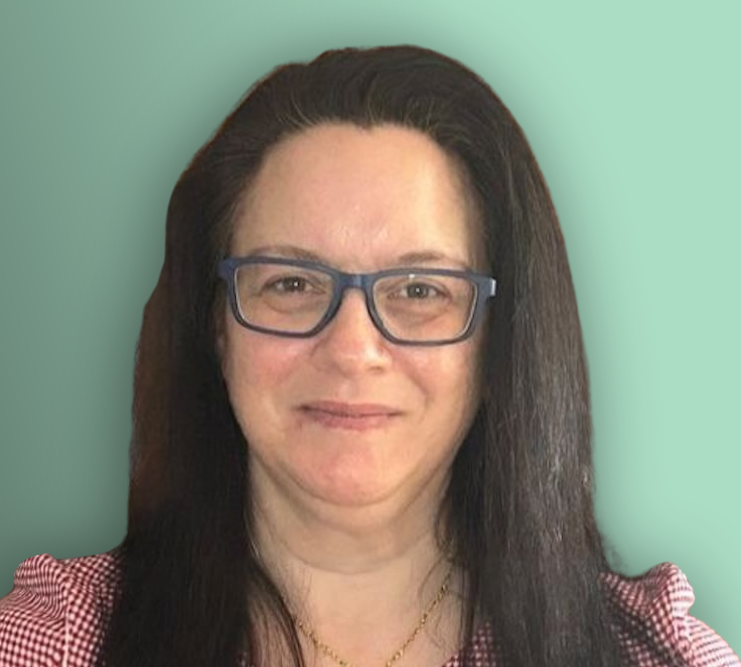
"As a mother of 4 children, the youngest of which has Autism, I have personal experience to share and to learn with other parents."
Why did you decide to become a counselor or psychiatric provider?
For me, the decision came from a mix of personal experience and a deep sense of calling. I’ve struggled with my own mental health — OCD, depression, and anxiety — and I know how isolating and overwhelming those experiences can feel. Learning coping skills and working through those struggles myself inspired me to help others do the same.
I’ve always been fascinated by why people think, feel, and behave the way they do. Over time, I realized I wanted to create a space where people could feel heard, supported, and empowered to make changes in their lives. Counseling gives me the chance to combine evidence-based strategies with compassion, helping people not just “get by” but truly heal and grow.
What types of clients do you work best with?
I work best with clients who are ready to do the work — even if that just means taking the very first step toward change.
I especially connect with:
Individuals with OCD, anxiety, and depression – because I know how relentless those thoughts and feelings can be, I’m passionate about using evidence-based tools like CBT, ERP, and mindfulness to help people find relief and regain control.
People processing trauma – whether it’s childhood trauma, relationship wounds, or first responders (my husband is a firefighter/paramedic), I work to create a safe, validating space where we can process painful experiences without judgment.
Couples – I love helping partners learn to communicate more clearly, rebuild trust, and strengthen intimacy so they can truly feel like a team.
Parents and caregivers – including those navigating special needs, like autism, who want support, strategies, and understanding along the way. I also went through caring for my father before he passed when he had cancer and now I care for my mother who lives with my family.
Highly motivated but overwhelmed clients – people who tend to “do it all” but feel burned out, stuck, or disconnected from themselves.
Because I take a person-centered and compassion-focused approach, I do well with clients who are open to self-exploration and willing to try new strategies, even if they feel a little uncomfortable at first.
What's one thing you wish all clients knew about therapy, mental health, or the healing process?
One thing I wish every client knew is this: healing isn’t linear, and it’s not about “fixing” yourself — it’s about learning to understand yourself and grow.
Progress often feels slow and sometimes messy. You might have breakthroughs one week and feel stuck the next — that doesn’t mean you’re failing. In fact, those tough moments are often where the most meaningful growth is happening. Therapy works best when you give yourself permission to be honest, curious, and compassionate toward your own process.
I also wish clients knew that needing support doesn’t mean you’re weak — it means you’re human. Reaching out is a sign of courage, and showing up consistently, even when it’s hard, is what creates real, lasting change.
What can clients expect in their first session with you and in the early stages of therapy?
In our first session, we’ll simply get to know each other. I’ll ask about what brought you to therapy, what you’ve tried before, and what you hope to get out of our work together. We’ll go over practical things like confidentiality, how sessions work, and answer any questions you have about the process — so there are no surprises.
I also want you to know that therapy is a relationship, not a one-way street. I’m open to you asking me any questions you want to know about me because I don’t expect you to share so much of yourself without knowing anything about who I am. You get to decide how much or how little you want to know — and I’ll answer honestly.
In the early stages of therapy, we’ll focus on building trust and creating a plan together. We’ll set meaningful, realistic goals and choose strategies that fit you — whether that’s CBT for anxious thoughts, ERP for OCD, mindfulness for stress, or communication tools for relationships. These first sessions lay the groundwork so you feel supported and empowered before we dive into the deeper work.
What personal experiences or values inform your practice as a therapist/provider?
My own life has deeply influenced how I practice as a therapist. I’ve experienced OCD, anxiety, and depression myself, so I understand how challenging it can feel to seek help and learn new coping skills. I also cared for my father before he passed away from cancer, and now I care for my mother who lives with me. In addition, I cyber school and care for my daughter, who has autism. These experiences have taught me patience, empathy, and the importance of balancing care for others with care for myself — lessons I bring into every session.
I value authenticity, connection, and collaboration. I believe therapy should be a safe, real space where you don’t have to be “perfect” and where your voice matters. My goal is to meet you where you are, honor your story, and work together to find strategies that truly fit your life.
How do you tailor therapy to meet each client’s unique needs?
I believe therapy should never be “one-size-fits-all.” Each person’s story, strengths, and struggles are unique — so the way we work together should be, too.
Early on, I spend time really getting to know you: what brought you here, what you’ve tried before, and what feels most important to you right now. Together, we set clear goals and choose approaches that make sense for your life. I draw from evidence-based methods like CBT, ERP, ACT, and mindfulness, but I adapt them to fit your personality, values, and comfort level.
I also check in regularly to make sure therapy is working for you. If something isn’t clicking, we adjust — whether that means changing strategies, pacing, or even focusing on a different area of your life. My goal is for therapy to feel collaborative and empowering, so you feel supported and challenged in the right ways
- Years in practice
- 11 years
- Graduating institute
- Bellevue University
- Graduating degree
- Masters, Clinical Counseling