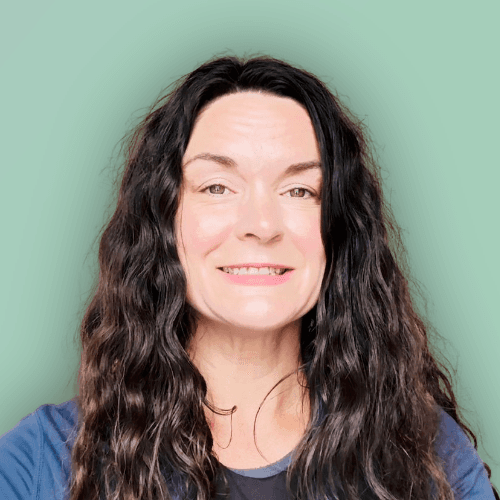
Leah Perkins
she/herLicensed Professional Counselor (LPC)

 Trauma / PTSD, Anxiety, Depression, Stress / Mental Stress / Work Stress, Domestic Violence, Substance Use, Military / Veteran
Self pay costs
Out-of-pocket session costs for clients who don’t have insurance or aren’t covered by their insurance for mental health services.
I'm Leah Perkins, an LPC, QMHP‑C with experience in community mental health, residential care, and reentry support. I work with adults navigating trauma, overwhelm, and major life transitions, offering a steady, compassionate space where they can reconnect with their strengths, rediscover what’s possible, and move toward a life that feels more grounded, hopeful, and aligned with who they want to be.
I use trauma‑informed, strengths‑based approaches like EMDR, CBT, and DBT skills to help clients build clarity, resilience, and self‑trust. Together, we move at a pace that feels safe, focusing on grounding, healing old patterns, and creating meaningful shifts that support a more connected, empowered life.
You deserve a life that feels vibrant, meaningful, and full of possibility. If you’re ready to step into your strength and move toward the future you’ve been hoping for, I’d be honored to walk beside you as you grow, heal, and create the life that feels right for you.

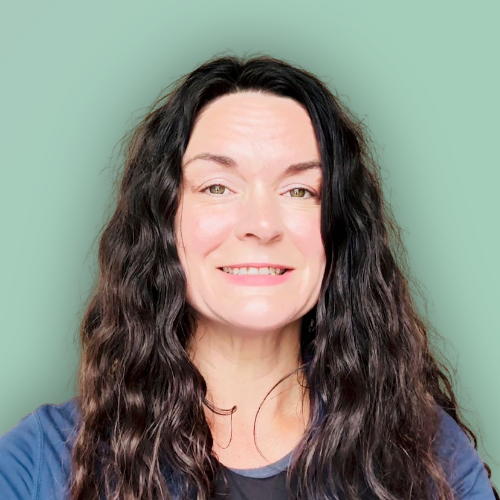
"I am a trauma‑informed LPC, QMHP‑C who shows up with warmth, steadiness, and genuine care, inviting you into a space where you can slow down, feel truly seen, and make sense of your experiences at a pace that feels safe and human — an approach shaped by years of walking alongside people in moments of transition, vulnerability, and growth. "
Why did you decide to become a counselor or psychiatric provider?
I became a counselor because I know how it feels to carry more than you can name and still try to move through the world with strength. I wanted to offer others the steady, compassionate presence I once needed myself. I’ve learned that healing often begins when someone feels safe enough to hope again, and I work to create a space where that hope can take root and begin to grow.
What types of clients do you work best with?
Military, Veterans, First Responders, and clients suffering from a trauma disorder.
What's one thing you wish all clients knew about therapy, mental health, or the healing process?
Problems that already exist before therapy begins can become more complicated and/or worse before a positive resolution is found during the therapeutic process. It could take eight or more sessions before a client can start to feel better.
What can clients expect in their first session with you and in the early stages of therapy?
In our first session, you can expect a calm, welcoming space where you don’t have to have the “right” words or a polished story. We’ll move gently, getting to know what’s been weighing on you and what you’re hoping will feel different. Early on, we focus on building safety, clarity, and trust—so you can settle in, breathe a little easier, and begin exploring your experiences at a pace that feels right for you. As we continue, we’ll start identifying patterns, strengths, and small shifts that help you feel more grounded and supported as you move forward.
What personal experiences or values inform your practice as a therapist/provider?
My work is shaped by a deep belief in the strength people carry, even when they can’t feel it themselves. I know what it’s like to move through hard seasons and still keep showing up, and that experience taught me the importance of being met with compassion instead of judgment. I value honesty, gentleness, and genuine connection, and those values guide the way I listen, the pace we move, and the care I bring into the room. I hold a strong trust in people’s capacity to heal and grow, and I see my role as walking alongside them as they rediscover that capacity within themselves.
How do you tailor therapy to meet each client’s unique needs?
I tailor therapy by really getting to know who you are beneath the stress, the stories, and the expectations you’ve been carrying. I pay close attention to what helps you feel safe, understood, and at ease, and we shape the work around that. Together, we move at a pace that feels gentle and supportive, noticing what resonates, what feels too heavy, and what helps you settle into yourself. My goal is to meet you with warmth, curiosity, and care so the process feels like something we’re creating together, not something you have to navigate alone.
- Years in practice
- 7 years
- Graduating institute
- Oregon State University - Cascades
- Graduating degree
- Masters of Counseling