Depression, Anxiety, LGBTQIA+, Life Transition, Military / Veteran, Trauma / PTSD

Accepted insurance & self-pay

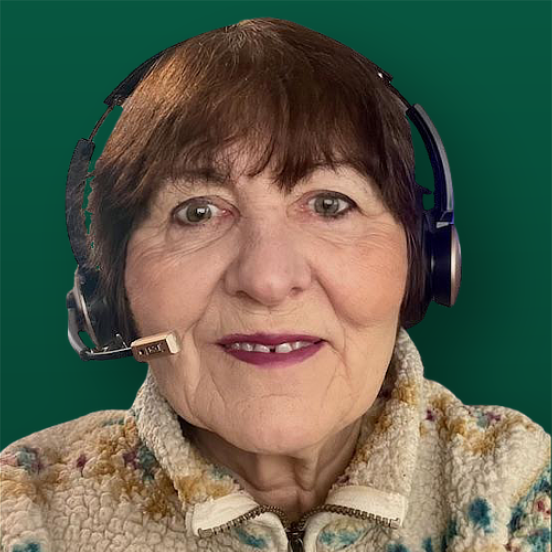
About Sophia
Sophia Fisher is a licensed independent social worker (LISW) with 9 years of experience in the mental health field. As a therapist, they help individuals process and make meaning from past experiences while working toward significant and hopeful change. She specializes in supporting adults and adolescents in navigating struggles like life transitions, identity development, trauma, depression, anxiety, and systemic stress.
Sophia completed a combined Master of Social Work/Master of Public Health at The Ohio State University. They are trained in the use of EMDR therapy (eye movement desensitization and reprocessing therapy) to process and heal past trauma. She has also completed Star Behavioral Health Provider training, which teaches civilian clinicians to better serve military-connected individuals.
As a nerdy, disabled, genderqueer person from a religious background, Sophia is acutely aware of the complexities of navigating a world that isn’t designed for you. They use this awareness to make space for all kinds of people, especially those whose mental health is not prioritized by our society. Sophia’s approach is collaborative and flexible, helping clients understand how past experiences shape present patterns while building practical skills for healing, resilience, and personal growth.
You are the expert on your own life, and your therapist’s role is to support you in reaching the goals that matter most to you. Sophia would love to help you develop the tools to move forward in your life with clarity and confidence. If you are ready to begin, reach out to schedule an appointment.


"As a disabled genderqueer person, I approach life struggles from multiple directions, asking "What changes do I need to make to solve this problem?" and, at the same time, "What changes does society need to make to solve this problem?"

Get to know Sophia
Why did you decide to become a counselor or psychiatric provider?
I started therapy for depression and complicated grief right after graduating from college, and it helped me a lot. I decided to become a social worker to help others experience the same thing, and I decided to specialize in mental health therapy because I like getting to know clients one-on-one and watching them grow over time.
What types of clients do you work best with?
I like to assign therapy "homework," so it helps to have clients who are willing to try things outside of session. I also have a somewhat directive approach, so I prefer clients who want to have a conversation over clients who are looking for a mirror to bounce their thoughts off of.
What's one thing you wish all clients knew about therapy, mental health, or the healing process?
Your therapist isn't judging you! Therapists tend to be the kind of people who just like people in general, plus we have seen a lot of different people with a lot of different problems. I'm not going to be surprised or offended if you show (or don't hide) the ways in which you're struggling.
What can clients expect in their first session with you and in the early stages of therapy?
In the first session, I will ask a ridiculous amount of questions as part of getting to know you and what you're hoping to get out of therapy. I will try to provide you the information you need to make an informed choice about whether to start ongoing therapy with me, as well as answer your questions. Finally, I like to provide a small, easy mental health skill or technique that I think will be helpful for you, so that you can start feeling even just a tiny bit better right away.
What personal experiences or values inform your practice as a therapist/provider?
I am queer and genderqueer, invisibly disabled, religious, partnered, a parent, and nerdy.
How do you tailor therapy to meet each client’s unique needs?
I start by assuming that you are the expert on your life and that you already have lots of useful coping strategies, whether you know it or not. I also welcome feedback on what we're doing together that is and isn't working. I have learned a lot of different approaches to therapy so that we have flexibility to change tactics whenever we need to.

Other areas of focus

Education and training
- Years in practice
- 9 years
- Graduating institute
- The Ohio State University
- Graduating degree
- Master of Social Work

Additional details


Practice information



Book your first session