Mikael Snitker
he/himLicensed Clinical Professional Counselor (LCPC)

 Impulse Control Disorders, Anxiety, Depression
Self pay costs
Out-of-pocket session costs for clients who don’t have insurance or aren’t covered by their insurance for mental health services.
My name is Mikael Snitker. I hold a PhD in Rehabilitation Psychology and have been a counselor for 23 years, counseling people with disabilities in settings varying from outpatient settings to college campuses. I hold a clinical license in Wisconsin and Nevada. I believe each person with a disability or condition can improve their quality of life through clinical and rehabilitation counseling, seek purpose through adversity, and find meaning in their lives.
I use Rational Emotive Behavioral Therapy (REBT), Cognitive Behavioral Therapy (CBT), Dialectical Behavioral Therapy (DBT), Person-Centered Counseling (PCC), sometimes drawing from Existentialism, Logotherapy, and Motivational Interviewing (MI) to facilitate your growth.
Helping people grow and gain insight into their lives is one of the greatest honors in my life. Person-Centered Counseling suggests that unconditional positive regard, listening, and reflecting experiences is the springboard for growth. I believe psychotherapy is the testament to human growth in all of its derivations. I look forward to hearing from you.

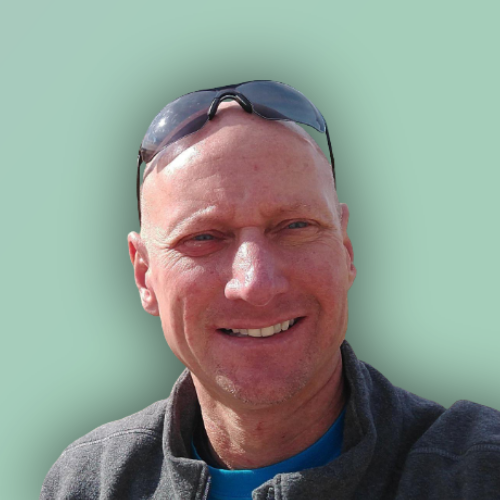
"As a bi-cultural and lingual man, military veteran, I understand the intersections of identity, the complexity of human growth, and inherent challenges of being innately human. Painful life circumstances present us a challenge, adversity provides opportunities for us to persist, grow, and reflect towards next steps in life."
Why did you decide to become a counselor or psychiatric provider?
My approach to care comes by way of my own experiences in recovery from all types of injuries, and what I find remarkable about adversity is our desire to find meaning and growth; people often think of only physical injuries, but I have reflected that injuries can be comprised of psychological, emotional, moral, and when reflecting on these types of challenges posed to us as humans, I saw opportunities for improvement and growth. I believe counseling can help people focus on their priorities and areas they are considering working on, and for which they need assistance.
What types of clients do you work best with?
I work best with clients who are having difficulty with sorting, with clarity, their values and motivators for their own improvement, and who need objective input for their growth towards their life goals.
What's one thing you wish all clients knew about therapy, mental health, or the healing process?
One idea I hope clients understand about therapy and healing is that many roads can take us towards what we seek in life, and to help clients I demystify the process so that people I help understand the methods, tools, and intended outcomes, and that healing can differently for all us. Like many things in life, it will require work and practice out of session, and sessions are geared as a reflection of relative successes and challenges between appointments, towards healing, and thriving.
What can clients expect in their first session with you and in the early stages of therapy?
In the early stages of therapy, you can expect empathetic listening, clarifying the problems as you see them, and what you hope to gain, and setting expectations with limits. You can expect authentic, congruent, and active listening, and as I find therapy is as much science as art, you would likely experience the building of an alliance to further your growth.
What personal experiences or values inform your practice as a therapist/provider?
My personal experiences and values help me understand what facilitates human growth, improved selfesteem, and selfefficacy to live life, fully, and face challenges in your life with improved confidence.
How do you tailor therapy to meet each client’s unique needs?
Because we are uniquely different in our life experiences, I tailor interventions and counseling which are reflective of your life course, culture, current problems, and future life goals, barriers to success in your life endeavors, and strategies you can use to help you improve your life. Depending on your needs, you will see the varied counseling approaches to help you grow towards your authentic self.
- Years in practice
- 23 years
- Graduating institute
- University of Wisconsin, Madison
- Graduating degree
- Doctor of Philosophy in Rehabilitation Psychology and Educational Psychology.