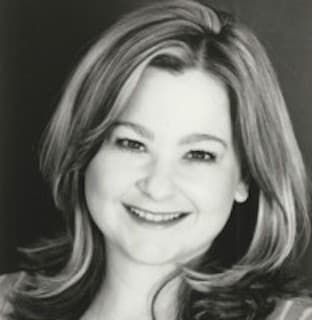
Heather Alvarez
she/herLicensed Clinical Social Worker (LCSW)

 Medical / Health Issues, Substance Use, Life Transition, Depression, Anxiety, Neurodiversity
Self pay costs
Out-of-pocket session costs for clients who don’t have insurance or aren’t covered by their insurance for mental health services.
I am a licensed clinical social worker (LCSW) with 12 years of experience supporting individuals navigating anxiety, depression, bipolar disorder, borderline personality disorder, trauma, anger, life transitions, substance use concerns, neurodivergence, and LGBTQ+ issues. I work with adults from diverse backgrounds and bring a creative, inclusive lens to therapy that honors each client’s unique experiences and strengths.
I earned my master’s degree in social work from New Mexico State University. My approach is person-centered, solution-focused, strength-based, and trauma-informed. I incorporate CBT, DBT skills, psychodynamic techniques, and somatic work to help clients better understand their thoughts, emotions, and nervous system responses.
My goal is to create a space where you feel heard, affirmed, and safe as you move through growth and healing. Together, we will build on your strengths, develop practical tools, and identify meaningful steps forward. I invite you to take the next step and schedule an appointment so we can begin this work together.

"As someone who experienced various kinds of trauma and who has had to deal with numerous life transitions and reinventions, I know the deep pain of feeling stuck and lost."
Why did you decide to become a counselor or psychiatric provider?
Becoming a social worker and therapist was part of a career change for me. I decided to pursue it when I knew I needed a change and began to realize that the through-line in everything I had done before was related to people - listening to their stories, helping them, and enjoying watching them grow and develop and realize their potential.
What types of clients do you work best with?
I work best with clients who are not looking for a quick fix but rather seek to understand themselves more deeply so that they can feel and function at a higher level.
What's one thing you wish all clients knew about therapy, mental health, or the healing process?
Therapy is first and foremost a process, and you likely won't feel better initially. In fact, once you start allowing your thoughts and feelings to come into your awareness, you might realize you feel worse. But this is the moment to commit and dig in because it's a sign that you are beginning to heal.
What can clients expect in their first session with you and in the early stages of therapy?
Initially we will chat about what brings you to therapy and we'll begin the process of assessment and diagnosis. Then we will set a few initial treatment goals based on what you feel you most need help with.
What personal experiences or values inform your practice as a therapist/provider?
My practice is deeply informed by my own experiences with trauma, pain, grief, and loss. What also informs my practice is the fact that I have had a life full of twists and turns, including the need to repeatedly change and reinvent myself, all while not understanding or having the awareness that many of my personal struggles were related to being neurodivergent.
How do you tailor therapy to meet each client’s unique needs?
I tailor therapy to each individual by inviting each client to tell me their story as they are ready to do so, and as they share with me I am able to bring various resources into the session, such as psychoeducation, coping skills, or other practices. Because I am responding to each individual's demonstrated and expressed needs, each client's treatment is personal and unique.
- Years in practice
- 8 years
- Graduating institute
- New Mexico State University
- Graduating degree
- Master of Social Work