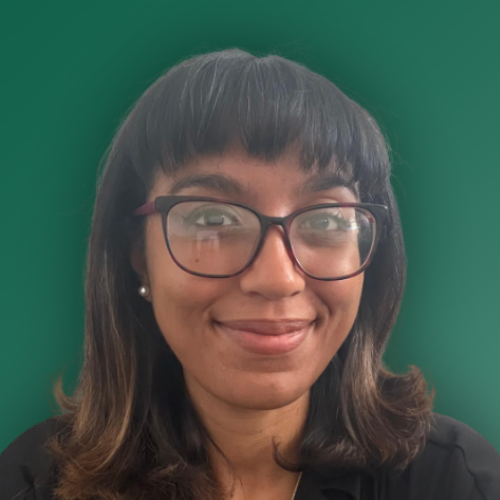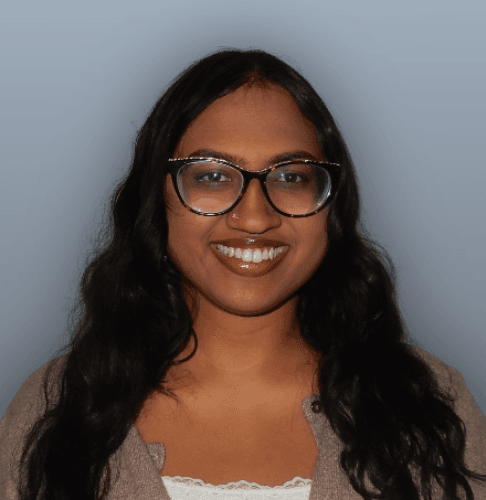
Shivani Shanmugadas
she/herLicensed Clinical Social Worker (LCSW)

 Eating Disorder, Obsessive-Compulsive Disorder (OCD), Bipolar Disorder, Depression, Anxiety
Self pay costs
Out-of-pocket session costs for clients who don’t have insurance or aren’t covered by their insurance for mental health services.
Hello, I'm Shivani, a Licensed Clinical Social Worker dedicated to helping individuals navigate life's challenges with compassion, authenticity, and evidence-based care. As a South Asian woman of color with lived experience navigating mental health, I understand the courage it takes to seek support and the importance of feeling truly seen and understood. I primarily work with adolescents, adults, and the geriatric population experiencing anxiety, depression, stress, trauma, OCD, eating disorders, life transitions, relationship challenges, self-esteem concerns, and cultural or identity/LGBTQIA+ related issues.
My approach to therapy is collaborative, compassionate, and strengths-based. I integrate evidence-based modalities, including CBT, DBT, ACT, ERP, and mindfulness-based techniques to help clients understand their thoughts, emotions, and behaviors while building on their strengths. Clients can expect a warm, supportive, and nonjudgmental environment.
Taking the first step toward therapy can feel overwhelming, but you don't have to navigate life's challenges alone. I would be honored to walk alongside you on your journey. Healing is possible, and together we can build on your strengths to help you feel more confident, resilient, and connected to the life you want to live. When you're ready, reach out.

"As a South Asian woman of color with lived experience navigating mental health in a personal and environmental sense, I have a deep understanding of the cultural, familial, and personal challenges that can shape emotional well-being, and I am committed to providing an affirming, empathetic space where clients can heal and grow, while feeling safe and non stigmatized."
Why did you decide to become a counselor or psychiatric provider?
I decided to become a therapist because I have always been passionate about helping others navigate life's challenges with compassion, understanding, and hope. My own lived experience with mental health showed me that healing is possible and that seeking support is a sign of strength, not weakness. Through my own journey, I experienced firsthand how transformative therapy can be when you have a therapist who truly sees you, hears you, and creates a space where you feel safe to be your authentic self. That experience inspired me to become the kind of therapist who offers the same empathy, support, and genuine connection to others. As a South Asian woman of color, I also recognize the importance of culturally responsive care and the unique challenges that can come with navigating mental health within different cultural and family dynamics. I am deeply passionate about fighting the stigma surrounding mental health and helping individuals and communities feel more open, informed, and supported in seeking care. Today, it is a privilege to help clients discover their resilience, build confidence, and realize that they do not have to face life's challenges alone.
What types of clients do you work best with?
I work best with adolescents, adults, and geriatric clients who are feeling overwhelmed, stuck, or disconnected and are ready to better understand themselves and make meaningful changes in their lives. Many of my clients are navigating anxiety, depression, obsessivecompulsive disorder (OCD), trauma, stress, self-esteem challenges, cultural identity concerns, or major life transitions. I also enjoy working with individuals who are exploring the impact of family expectations, cultural stigma around mental health, agingrelated changes, and the challenges of balancing multiple identities across the lifespan. Clients who tend to work well with me are those who are open to a collaborative therapeutic relationship and are willing to engage in the process of reflection, skill-building, and gradual growth. Whether someone is seeking structure and practical coping tools, or a deeper exploration of patterns and emotions, I aim to meet them where they are and support them in moving toward greater clarity, confidence, and emotional well-being.
What's one thing you wish all clients knew about therapy, mental health, or the healing process?
One thing I wish all clients knew is that healing is not a linear process, and progress often happens in small, subtle steps that can be easy to overlook. Therapy is not about “fixing” you, but about creating a space where you can better understand yourself, build selfcompassion, and develop tools that support you through life’s challenges. Growth takes time, and setbacks are a natural part of the process—not a sign of failure. I also wish more people knew that anyone can be in therapy, and you do not have to be in crisis or struggling significantly to benefit from support. Therapy can be a place for prevention, reflection, and strengthening resilience just as much as it is for crisis. Above all, I believe healing happens in relationship—with yourself, with others, and within a therapeutic space where you feel safe, seen, and genuinely understood.
What can clients expect in their first session with you and in the early stages of therapy?
In the first session, clients can expect a warm, welcoming, and collaborative space where we begin getting to know one another. I typically spend time understanding what brought you to therapy, your current concerns, and what you hope to gain from the process. We may also explore relevant background information, such as personal history, relationships, and past experiences, at a pace that feels comfortable for you. There is no pressure to share everything at once—my priority is helping you feel safe, heard, and respected. In the early stages of therapy, we work together to identify your goals and begin building a supportive foundation for growth. This may include learning practical coping skills, exploring patterns in thoughts and behaviors, and increasing insight into emotional responses. I take a collaborative, strengths-based approach, meaning we will move at a pace that fits your needs while focusing on what feels most meaningful and helpful to you. Over time, clients often begin to feel more clarity, emotional regulation, and confidence as we work toward lasting, sustainable change together.
What personal experiences or values inform your practice as a therapist/provider?
My practice is informed by both my professional training and my personal values, particularly compassion, cultural humility, and respect for each individual’s lived experience. As a South Asian woman of color with lived experience navigating mental health, I have a deep appreciation for the courage it takes to seek support and the importance of being truly seen, heard, and understood in the healing process. These experiences have shaped my belief that therapy should be a collaborative space where clients feel safe to show up as their full selves without judgment. I also recognize that in many communities of color, including South Asian households, conversations around mental health can be difficult or stigmatized, and seeking therapy may not always be openly encouraged or understood. This can make it especially challenging to access support and feel validated in one’s emotional experiences. Because of this, I am deeply committed to creating a culturally sensitive and affirming space where clients can explore their mental health without shame or fear of judgment. I also hold a strong commitment to reducing the stigma around mental health, especially within communities where it may be less openly discussed. My approach is grounded in the belief that healing happens in connection and that every person has inherent strengths they can build upon. I strive to bring warmth, authenticity, and respect into every session, honoring the cultural, familial, and personal contexts that shape each client’s story.
How do you tailor therapy to meet each client’s unique needs?
I tailor therapy by meeting each client where they are and thoughtfully adapting my approach based on their individual needs, goals, cultural background, and personal experiences. I do not believe in a one-size-fits-all model; instead, I collaborate with clients to understand what feels most helpful for them and adjust the pace, focus, and interventions accordingly. I draw from evidence-based modalities such as CBT, DBT, ACT, ERP, mindfulness-based practices, and strengths-based approaches, selecting tools that best align with each client’s concerns and preferences. At the beginning of therapy, we work together to identify clear goals while also allowing space for exploration and flexibility as those goals evolve. Throughout the process, I regularly check in to ensure clients feel supported, understood, and actively engaged in their care. I also consider cultural, familial, and identity-related factors to ensure therapy is not only clinically effective but also respectful, relevant, and meaningful to each person’s lived experience. Ultimately, my goal is to create a therapeutic experience that feels personalized, collaborative, and empowering.
- Years in practice
- 5 years
- Graduating institute
- Rutgers University
- Graduating degree
- Masters in Social Work, Licensed Clinical Social Worker