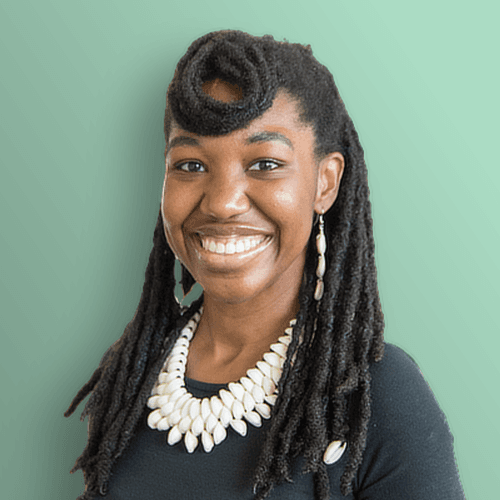
Keleigh Blount
she/herLicensed Clinical Mental Health Counselor - Associate (LCMHCA)

 Depression, Anxiety, Relationships, Anger Management, Life Transition, Stress / Mental Stress / Work Stress, Seniors & Geriatric
Self pay costs
Out-of-pocket session costs for clients who don’t have insurance or aren’t covered by their insurance for mental health services.
I am a licensed clinical mental health counselor associate (LCMHCA) with 9 years of experience supporting children, adolescents, adults, couples, and families. I work with concerns including anxiety, depression, trauma, life transitions, substance use, grief, identity development, and relational challenges. I value working with individuals from diverse backgrounds and recognize how intersecting identities and systemic factors can influence wellness.
I hold a master’s degree in clinical mental health counseling from North Carolina A&T State University. My approach is integrated and trauma-informed, drawing from person-centered therapy, emotion-focused therapy, and relational-cultural theory. I also incorporate cognitive behavioral, dialectical behavioral, expressive arts, and somatic techniques.
Therapy is a collaborative space where you can explore emotions, build self-awareness, and move toward meaningful change. I strive to create a supportive, nonjudgmental environment where you feel seen and understood. If you are ready to begin or continue your wellness journey, I invite you to schedule a session.

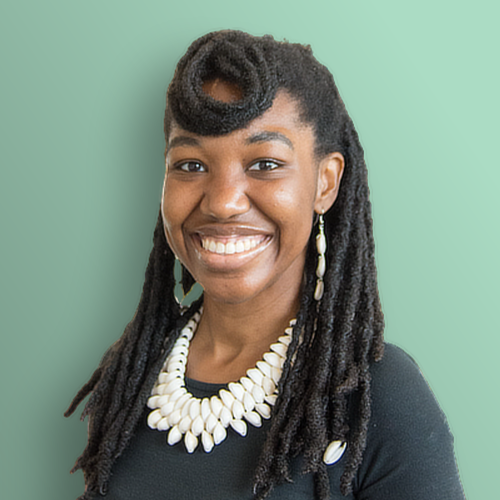
"As a Black woman clinical mental health counselor and community care provider, I create space with clients, especially those carrying the weight of relational and systemic stress, to explore their emotions, challenge harmful thoughts, reconnect with their bodies, and build lives rooted in dignity and collective care."
Why did you decide to become a counselor or psychiatric provider?
After completing my undergraduate studies, I had the opportunity to learn about all the way that our environment and the systems within it can impact our daily lives. The food you eat, who you choose to partner with and even the quality of the education you receive. Sociology helped me center that while some mental health concerns can be biological, so much can also be impacted by our environment. I learned this first had at group homes, detention centers and court mandated family home visits. This propelled me to connect sociological and biological impacts in regard to mental health and wellness. This assists me in gaining a holistic view of my client and provide the best treatment through collaboration. You may not be able to CBT your way out of a harmful system, and sadly many of those systems I may not be able to change, however, we can work together to guide your nervous system to rest. I can guide clients to exploring their own emotions, wants and goals in addition to navigating the world around them. I think that is pretty special and it invigorates me every day.
What types of clients do you work best with?
I work best with clients who are open to letting me get to know the person they are. Therapy is a space where the mask can come off and shoulders can relax. There are no pretenses and no one to impress in our therapeutic space. If you are open to opening your window so I can get to meet you, then I can get to know you and we can work together to meet your goals.
What's one thing you wish all clients knew about therapy, mental health, or the healing process?
Therapy is not a quick fix, and your counselor will never hold all the answers to your problems. What we do well is helping you pull out the strengths and tools within you, to help you achieve your goals. We are better than the spotter at your local gym. Here to support, guide and train while ensuring you that you are never alone and we are right here with you.
What can clients expect in their first session with you and in the early stages of therapy?
During the first sessions of therapy, it all about laying the foundation and creating space so you can feel seen. The first session includes covering my ethical, legal and professional obligations responsibilities as a counselor. We will discuss confidentiality, my area of expertise and counseling philosophy. After those things are covered, it is all about you, the client. What is bringing you into this space at this time in your life? Have you had therapy before? What worked or didn't work too well? I will work with you to create therapeutic goals so we can stay focused during our time together, ensuring you are getting the care you desire and need. After the first three sessions, I will check back in to see how we are doing and ask what adjustments need to be made as we move forward.
What personal experiences or values inform your practice as a therapist/provider?
I have three personal values that inform my work as a counselor. The first is dignity. All clients deserve dignity through respect and autonomy. Too often our environments can strip us of dignity by asking us to perform. I do not ask clients to perform in their therapeutic space; you have a right come and enter the space just as you are. Second, I value truth without harm. Therapy sometimes means balancing and processing hard truths in order to move forward. This does not mean that truth or honesty should be hurtful or harmful. Clients always have a right to back up, pause, and sit with emotions regarding a hard truth as long as they need to. Therapy shouldn't be traumatic and facing hard truths shouldn't cause harm. Lastly, I value collective care or individual fixing. I don't ask "how is this person coping?", I ask, "What are you carrying that shouldn't be yours to carry alone?" We are in this together and I want all my clients to know they aren't alone on their journey.
How do you tailor therapy to meet each client’s unique needs?
Person-Centered and Humanistic counseling creates space for me to meet clients where they are. I ask directed questions and integrate expressive arts or experiential activities that help clients detail their needs. Whether it is a questionnaire, narrative therapy exercise, or storytelling through picture cards, I employ various expressive techniques, so clients go inward and provide their own perspective of what they want.
- Years in practice
- 9 years
- Graduating institute
- North Carolina A&T State University
- Graduating degree
- Master of Science in Clinical Mental Health Counseling