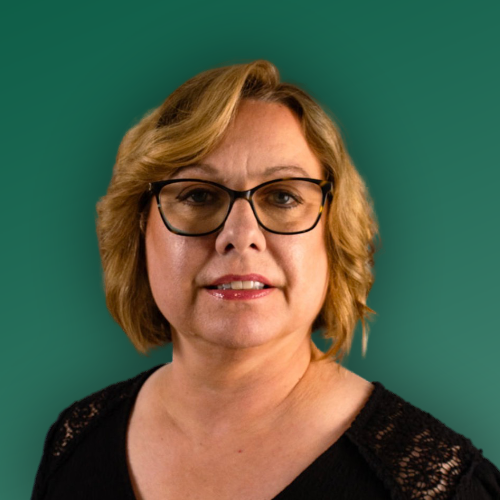
Erica Hoyer
she/herLicensed Clinical Mental Health Counselor - Associate (LCMHCA)

 Trauma / PTSD, Neurodiversity, LGBTQIA+, Mood Disorders, Anxiety, Life Transition, Coping Skills

Self pay costs
Out-of-pocket session costs for clients who don’t have insurance or aren’t covered by their insurance for mental health services.
Erica Hoyer is a Licensed Clinical Mental Health Counselor Associate (LCMHC-A) with 3 years of experience in mental health care. Erica is a Certified Clinical Trauma Professional (CCTP) and enjoys helping individuals navigate and process difficult life experiences. She has experience working with children, teens, and adults and is well-versed in supporting individuals with depression, anxiety, trauma, ADHD, autism, bipolar disorder, borderline personality disorder, and behavioral disorders. Erica completed her master's in Counseling and Rehabilitation at the University of South Carolina.
Through her work with children, adolescents, and families across intensive and outpatient settings, Erica has developed a collaborative, family-centered approach. She enjoys helping children build emotional regulation and coping skills while supporting families in strengthening communication and encouraging lasting progress at home.
Life doesn't come with a handbook, and navigating its challenges isn't always easy. Therapy is a space to show up as your authentic self, explore your experiences, and discover tools that work for you. You don't have to have everything figured out to get started. I'd love to support you along the way!


"As a queer therapist with lived experience navigating neurodivergence, I understand how important it is to feel seen, heard, and accepted for who you are. I strive to create a space where you don't have to mask, fit into expectations, or have everything figured out to feel understood and supported."
Why did you decide to become a counselor or psychiatric provider?
My own journey with mental health, along with witnessing family member's experiences, played a significant role in my decision to become a counselor. I know how meaningful it can be to feel heard, understood, and supported, especially when life feels overwhelming.
What types of clients do you work best with?
I enjoy working with children, teens, and adults who may be trying to make sense of their emotions, understand themselves better, or navigate changes in their lives. I particularly connect with individuals who have felt misunderstood or like they don't quite fit the mold.
What's one thing you wish all clients knew about therapy, mental health, or the healing process?
You can make progress and still have hard days, take steps forward and occasionally fall back into old patterns, or change your mind along the way.
What can clients expect in their first session with you and in the early stages of therapy?
Your first session is an opportunity for us to get to know one another, talk about what brings you to therapy, and begin exploring what you hope to get out of the experience. I'll ask questions about your experiences, strengths, challenges, and goals, but there is no pressure to share everything all at once. In the early stages, we'll work together to identify what feels most important to you, build a comfortable therapeutic relationship, and develop goals that make sense for your life. Therapy is a collaborative process, so we'll move at a pace that feels right for you.
What personal experiences or values inform your practice as a therapist/provider?
Growing up in a military family and experiencing family changes taught me how much transitions, relationships, and a sense of stability can impact a person. Being part of the LGBTQ+ community and navigating being diagnosed as ADHD and autism in adulthood have also reinforced the importance of feeling understood, accepted, and comfortable being yourself. These experiences inform my values of authenticity, compassion, curiosity, and creating a space where people don't feel pressured to be someone they're not.
How do you tailor therapy to meet each client’s unique needs?
I take time to understand each client's experiences, strengths, communication style, needs, and goals rather than relying on a one-size-fits-all approach. Some clients may benefit from structured activities and practical tools, while others may need space to process, explore, and make sense of their experiences. I value collaboration and regularly check in to make sure our work feels relevant, comfortable, and meaningful to each client.
- Years in practice
- 2 years
- Graduating institute
- University of South Carolina
- Graduating degree
- Master of Arts in Counseling and Rehabilitation