
Michele Maldonado
she/herLicensed Independent Clinical Social Worker (LICSW)

 Anxiety, Trauma / PTSD, Grief, Pregnancy, Prenatal, Postpartum, Sexual Abuse, Chronic Illness/Pain
Self pay costs
Out-of-pocket session costs for clients who don’t have insurance or aren’t covered by their insurance for mental health services.
You may be here because life feels overwhelming or you're ready for something to change. I believe you deserve a space where you feel heard and accepted without judgment. I am a clinical independent social worker and a self-identified Afro-Latina clinician. My own understanding of culture and identity shapes how I connect with clients and families, and I recognize how cultural backgrounds, family experiences, and community can influence how we see ourselves. I'm especially mindful of those who feel caught between cultures, are navigating bicultural identities, or are balancing their own needs with family and cultural expectations.
Throughout my career, I've worked with children, adolescents, adults, and families facing complex medical and mental health challenges, including trauma, grief, loss, and major life transitions. I'm certified in TF-CBT and also use CBT and other evidence-based approaches. My style is warm, collaborative, strengths-based, and trauma-informed.
I believe therapy should be a place where you can be your authentic self, without having to explain or minimize your cultural experiences or family dynamics. I will meet you where you are, and my hope is to build a relationship based on trust, compassion, and connection, so you can move forward with confidence, knowing you don't have to navigate life alone.

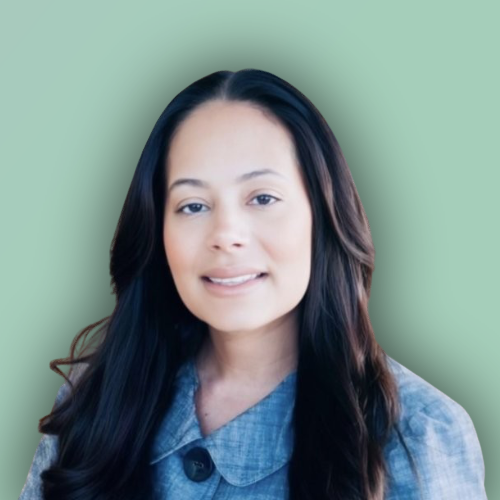
"My goal as a therapist is to help clients recognize their strengths, develop healthier coping strategies, process difficult experiences, and build a greater sense of self-understanding and empowerment."
Why did you decide to become a counselor or psychiatric provider?
I decided to become a therapist because I have always been drawn to understanding people, their experiences, their stories, and the circumstances that shape who they are. Throughout my career, I’ve had the privilege of working with individuals and families during some of the most difficult and vulnerable moments of their lives. Those experiences taught me how powerful it can be to have someone who listens without judgment, creates a safe space, and helps you make sense of what you are going through. As an Afro-Latina and a bilingual clinician, I also understand how culture, family, identity, and life experiences can influence the way we understand ourselves and seek support. I’ve seen how important it is for clients to feel understood not only as individuals, but within the context of their culture and experiences. Becoming a therapist felt like a natural extension of the work I was already doing. I wanted to move beyond helping people navigate a crisis and have the opportunity to walk alongside them as they heal, develop insight, strengthen their relationships, and create meaningful change in their lives. Ultimately, I became a therapist because I believe people deserve to feel heard, understood, and supported, and sometimes having the right person beside you can make all the difference.
What types of clients do you work best with?
I work especially well with individuals and families who may be navigating anxiety, depression, trauma, grief, life transitions, or the emotional impact of significant medical and family challenges. I have a particular interest in working with immigrant, multicultural, and bicultural individuals and families, as well as clients of color who are exploring identity, relationships, cultural expectations, and their sense of belonging. I also enjoy working with parents and caregivers who may feel overwhelmed, emotionally exhausted, or caught between caring for others and caring for themselves. My experience working with individuals and families facing chronic medical and mental health challenges has given me a deep understanding of how stress, illness, family dynamics, and culture can intersect. My goal is to create a space where clients feel genuinely seen and understood—without judgment—and where we can work together to build insight, develop practical coping skills, process difficult experiences, and create meaningful change.
What's one thing you wish all clients knew about therapy, mental health, or the healing process?
I wish every client knew that healing does not have to happen all at once, and there is no “right” way to heal. Therapy is not about fixing what is wrong with you—it is about understanding yourself with greater compassion and learning how to move forward in a way that feels authentic to you. You do not have to have everything figured out before coming to therapy. You can come exactly as you are—confused, overwhelmed, exhausted, angry, uncertain, or simply knowing that something needs to change. Sometimes the first step is simply having a safe space where you can be honest without judgment. Healing is rarely a straight line. There may be progress, setbacks, and moments when you question yourself. That does not mean you are failing. It means you are human. My role is to walk alongside you, help you understand your experiences, and support you as you develop the tools, insight, and confidence to create the life you want.
What can clients expect in their first session with you and in the early stages of therapy?
In our first session, my goal is for you to feel comfortable, heard, and understood. We’ll spend time getting to know you—not just what brought you to therapy, but also your experiences, relationships, strengths, culture, and the things that are important to you. I’ll ask questions to better understand what you’ve been experiencing and what you hope to get from therapy. We’ll also talk about your goals and begin identifying what may be contributing to the challenges you are facing. You do not need to have everything figured out or know exactly what you want to work on. We can discover that together. In the early stages of therapy, we’ll focus on building trust and creating a therapeutic relationship where you feel safe being honest and vulnerable. Depending on your needs and goals, we may begin developing practical coping strategies, exploring patterns that may be affecting your relationships or emotional well-being, and processing experiences that have been difficult to carry on your own. I believe therapy should be collaborative. You are the expert on your own life, and my role is to bring clinical knowledge, curiosity, and support to help you better understand yourself and create meaningful change. We will move at a pace that respects your readiness and your individual needs.
What personal experiences or values inform your practice as a therapist/provider?
My practice is deeply informed by my own understanding of culture, identity, family, and the importance of feeling seen and understood. As an AfroLatina clinician, I recognize that our identities and cultural experiences can shape how we understand ourselves, our relationships, our families, and even how we view mental health and seeking support. My professional experiences working with individuals and families from diverse backgrounds have also taught me that there is never a single story behind what someone is experiencing. I have had the privilege of supporting people through trauma, chronic illness, family stress, major life transitions, and some of the most vulnerable moments of their lives. Those experiences have strengthened my belief in the resilience people possess, even when they may not recognize that strength in themselves. The values that guide my work are compassion, cultural humility, authenticity, respect, and collaboration. I believe clients should feel safe bringing their whole selves into therapy—including the parts of their identity, experiences, and emotions that may feel difficult to talk about. Most importantly, I believe therapy should be a space where you don't have to pretend to have it all together. My role is not to tell you who you should be, but to walk alongside you, help you better understand yourself, and support you in finding your own path toward healing and meaningful change.
How do you tailor therapy to meet each client’s unique needs?
I believe therapy should never be one-size-fits-all. Every client comes to therapy with their own history, culture, values, relationships, strengths, and experiences, and I take the time to understand the whole person before deciding what approach may be most helpful. Together, we identify what brings you to therapy, what you hope to change, and what feels most important to you. From there, I draw from evidence-based approaches such as Cognitive Behavioral Therapy and Trauma-Focused Cognitive Behavioral Therapy, while adapting my approach to your individual needs, goals, and readiness. I also consider the impact of culture, family dynamics, identity, medical experiences, and other life circumstances that may influence your emotional well-being. As an Afro-Latina clinician, cultural humility is an important part of my practice, and I want clients to feel that their background and lived experience are respected rather than treated as an afterthought. Some clients may need practical tools and coping strategies, while others may need more space to process difficult experiences, explore relationships, or better understand long-standing patterns. Therapy may look different from person to person and even change over time as your needs change. Ultimately, I see therapy as a collaborative process. You are the expert on your own life, and I bring clinical knowledge, support, and curiosity to help us find an approach that feels meaningful and effective for you.
- Years in practice
- 30 years
- Graduating institute
- Simmons University
- Graduating degree
- Master of Social Work