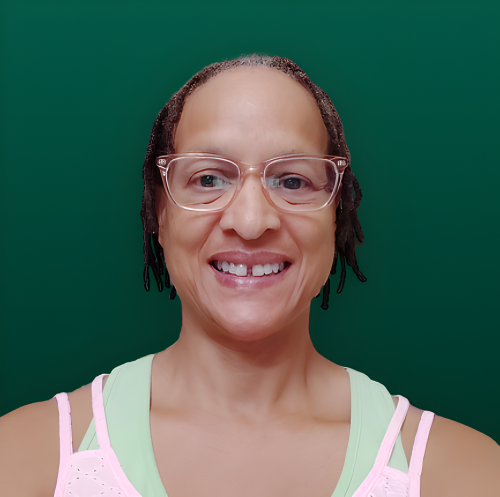
Ben Bayley
he/himLicensed Independent Clinical Social Worker (LICSW)

 Military / Veteran, Trauma / PTSD
Self pay costs
Out-of-pocket session costs for clients who don’t have insurance or aren’t covered by their insurance for mental health services.
I am a licensed independent clinical social worker (LICSW) with 6 years of experience in the mental health field. I specialize in working with adults, veterans, retirees, and individuals navigating military transitions, trauma, life changes, aging concerns, and high-demand environments such as academics and athletics.
I earned my master’s degree in social work from Boston College with a specialization in trauma. I utilize motivational interviewing, cognitive behavioral therapy, cognitive processing therapy, and social skills training to create a collaborative, dialogue-based approach that supports meaningful growth and lasting change.
I strive to create a warm, supportive space where you feel heard and respected. Together, we will focus on your goals, strengthen your resilience, and develop practical tools to help you move forward with clarity and confidence.


"As a veteran, son, grandson, brother, and now mental health clinician, I see how everyone has multiple identities that shape them into who they are and yet can come into conflict sometimes, and that's okay; let me help you with that!"
Why did you decide to become a counselor or psychiatric provider?
I'm a Navy combat veteran who did a 9-month deployment to the Persian Gulf in 2013; when my ship returned, we lost 6 Sailors to suicide, and as an Officer I had to conduct the investigation. That is what sparked me to be interested in mental health, to apply to Boston College School of Social Work, get my MSW with a Trauma certificate, and my hope is that I can help others. I come from a doctor father and a nurse mother; a family of people who help others, and I wish to continue that and help others myself.
What types of clients do you work best with?
My primary training is Severe Mental Illness; Schizophrenia spectrum, PTSD, MDD, Dysthymia, etc. As a former VA clinician, I've mostly worked with adults but the specific reason I applied to Thriveworks is to expand my experience beyond that population. I am happy to work with families, children, and adults.
What's one thing you wish all clients knew about therapy, mental health, or the healing process?
Is that it takes a while; in some cases, a long time. It's not like a bone; I fell off a skateboard when I was 10, broke a few bones in my foot, pediatrician put a cast on, after 6 weeks I was back to normal. Processing trauma, especially childhood trauma, is a lengthy process and not something that you can just "heal." Same with Bipolar I or II, Schizoprehnia, etc. Also, it's nothing to be ashamed about. It's no one's fault. Empathy is at the heart of being a clinician, as I learned working with a veteran living with Paranoid Schizophrenia and he is the kindest, nicest man; was he delusional and paranoid? Yes! Was he also the friendliest and kindest person? Yes! Empathy above all is my takeaway.
What can clients expect in their first session with you and in the early stages of therapy?
A warm greeting, an invitation to sit down, water, anything else they need to feel comfortable. I would first explain the required rules of disclosure (harm of self to others etc.) and if I needed to report any safety concerns. After that, I would start with "what brings you here?" I would use MI techniques and let the client talk; after all, therapeutic rapport is more effective than EBP-based practices such as EMDR or PE so I would say what do you want to work on and how should we proceed? I would probe slightly, such as the reasons for engaging in therapy now, but let the client do the majority of the talking. From there, I would note that I'll do a biopsychosocial assessment as session one and then for session two plan the treatment from there.
What personal experiences or values inform your practice as a therapist/provider?
For the veterans, lived veteran experience; I've been in the Persian Gulf and had rockets and guns pointed at me. For stressed out parents who want their kids to get into Brown or Harvard or Yale? I went to Harvard, I understand the absurd pressure it is to be a high school kid to get into one of those schools and get perfect SATs and whatnot. For the patients who might be navigating an elderly parent falling into Alzheimer's? I've seen it with my own eyes, as my maternal grandmother passed from said tragic disease and couldn't recognize me the last time I saw her. Competitive siblings? My older brother is a neurosurgeon (don't worry, I love the guy) but we competed against each other all our lives in sports and school. I have learned and grown from all of these experiences, I still live by the Navy values of Honor, Courage, and Commitment
How do you tailor therapy to meet each client’s unique needs?
My approach is client-first. If there are legal requirements such as harm to self, others, etc. then that supersedes it obviously. Otherwise, the client leads and I follow; the client lays out their reason for why they are their or why their provider has recommended them there, and I listen. Listening is the most important, simply sitting back and letting your client say "hey you, my spouse wants a divorce, I'm sad, can I talk?" and just being a sounding board. You're not doing a 12-week planned CPT session, you're not doing a planned EMDR session, it's just... listening And that's what's just so important and needed and what I would be happy to provide. I would rely on my MI skills and also introduce Challenge Belief Worksheets from Cognitive Processing Therapy , as I find those very helpful. At the end of the day, the client's needs, requests, and hopes are what are most important and any tool that I can' find is unique to that client.
- Years in practice
- 6 years
- Graduating institute
- Boston College School of Social Work
- Graduating degree
- Master of Social Work