Debra Honig
she/herLicensed Clinical Social Worker (LCSW)

 Anxiety, ADHD, Chronic Illness/Pain, Relationships, Stress / Mental Stress / Work Stress
Self pay costs
Out-of-pocket session costs for clients who don’t have insurance or aren’t covered by their insurance for mental health services.
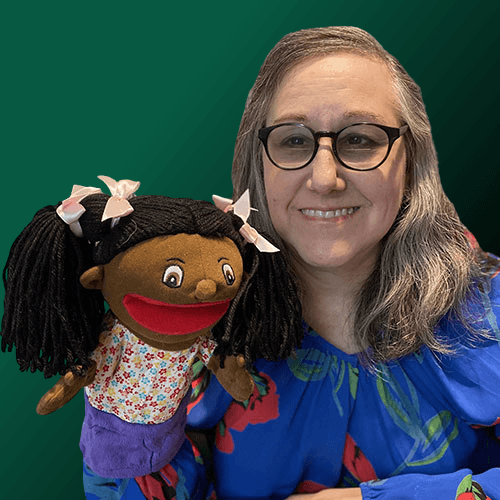
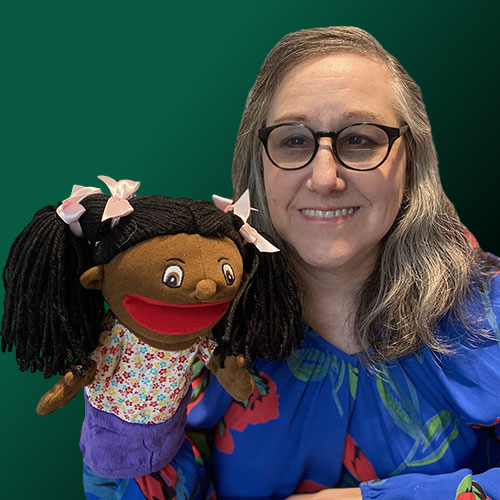
Debra Honig, MSW, LCSW, is a well-seasoned, enthusiastic, and authentic pediatric psychotherapist. She has practiced in many settings in the Chicago area, with a focus on children and their families. Debra uses humor, empathy, and creativity to help children and their families to navigate life's expected and unexpected challenges. Debra uses an eclectic and warm style and focuses on the client's strengths and uniqueness. Debra offers specialization in the areas of self-esteem, ADHD, coping with illness and life transitions, divorce, grief, loss, anxiety, and mood disorders. Her treatment room is always inviting for children, including art material, action figures, puppets, and games.
Debra completed her Master of Social Work (MSW) degree at the Jane Addams College of Social Work, a college of the University of Illinois at Chicago. Her professional experience and training are further strengthened through personal experiences as an adoptive mom, stepmom, and foster parent. Debra utilizes an eclectic treatment approach incorporating expressive therapies, mindfulness, cognitive behavioral therapy (CBT), motivational interviewing, and solution-focused brief therapy.
Debra's philosophy is that everyone has roses and thorns from day to day. When it happens, it is important to talk about it, and use our coping strategies. That is the center of her work and helps create a safe and comfortable space for sharing and growth.
Debra currently only serves clients 5 to 13 years of age.

"My 30+ years in clinical practice, combined with lessons learned through parenting my now adult children has shaped the way I engage in the sacred and playful art of pediatric psychotherapy. I currently only serve clients 5 to 13 years of age. Please note, to best support my clients and avoid conflicts of interest, I do not provide services to multiple children in the same family."
Why did you decide to become a counselor?
I was raised in a loving, supportive family that emphasized compassion. My late mother was a teacher turned social worker and my father was a physician and professor. They instilled in our family the importance of caring for others, and promoting healing. Their warmth, humor and special affection for children played a strong, positive influence on my own values and choices. My first encounter with a counselor occurred in grade school when I was admitted to a hospital for an eye operation. It was during this hospital experience that I had a delightful and supportive meeting with a warm and sunny counselor at the hospital. Inspired by this person, I reflected on how I could perhaps help other children through counseling.
What types of clients do you work with best?
While I enjoy working with clients across the lifespan, my skills, interest, patience, playful nature and empathy fit best with the care of children and adolescents.
What type of clients are you most excited to work with?
When it comes to psychotherapy, I am most excited to work with school aged, and middle school clients and their caregivers. I am always excited to help create a sacred and special space during our sessions, and to help each child to explore, engage and express themselves in a way that helps them to feel good about themselves and to develop a personal toolbox of coping skills. For some children, play with action figures helps them most, while for others it may center on drawing or story-writing. Reliance on a range of expressive strategies to support their communication and growth. It is such an honor to work with children and their caregivers to support their progress through psychotherapy that includes fun and creative expression.
What's one thing you wish all clients knew?
Emotions need not be viewed as good or bad. Rather, it can be more helpful to think of emotions as either comfortable and uncomfortable. Comfortable emotions feel nice and pleasant and we enjoy having them as much as we can. These include happiness, joy, silliness, or excitement. Uncomfortable feelings are the opposite. They are not enjoyable so we wish we didn't have them. Some examples of uncomfortable emotions include anger, sadness, boredom or embarrassment. The truth is that it is normal for everyone to feel both comfortable and uncomfortable emotions sometimes. It is part of being human. Sometimes it is very difficult to manage our uncomfortable feelings. The good news is that we can learn strategies for coping with them. It can be a very important thing to learn to do when we meet together.
Why did you choose to practice at Thriveworks?
I became attracted to Thriveworks because it offered an opportunity to work in a clinical setting that prioritized mental health treatment. In addition, I liked the idea of being able to work in a clinical setting where I could use my skills to focus on the care of children. I also liked the idea of being able to have some autonomy and have some control over my schedule yet have access to other mental health clinicians for support, consultation and continued learning.
What inspires you?
I find inspiration through various art forms and spiritual connection. I continue to find inspiration from everyone I meet. I am inspired by clients and their families who are brave and open enough to work with me in psychotherapy.
What can clients expect in their first session with you?
Early psychotherapy typically begins by getting acquainted. We often engage in some getting-to-know activities. This helps the young client give some input into their strengths and preferred activities. We also introduce and talk about what they hope to work on during our time together. A successful first session has the goal of helping the child to feel comfortable, welcomed, and heard. As a therapist, being able to be flexible with the events of the first session is important to make sure that the child feels comfortable. Things planned for the session sometimes take an unexpected left turn and we end up doing something else, and that's okay.
What do you want to accomplish with an individual in their first session?
I hope that the new client feels comfortable, welcome, and heard. I hope that the child leaves with a good feeling, and wants to return again. I once met a very nervous 5 year old who was quite frightened to begin weekly psychotherapy. By the end of their first session, when we walked out to the parent lounge, the child immediately informed their parents that they wanted to come back tomorrow. That was a home run in my book.
What should clients know about you before scheduling a first counseling session?
Please know that it can take a little bit of patience and time before a child feels comfortable. We may be spending time on activities to get acquainted for the first several sessions which helps create a foundation for building trust and making progress. Also, please know that we will be creating a balance between preferred activities of the child, and sometimes will be encouraged to participate in some non-preferred activities when needed to make sure that we are working on the goals agreed upon in our evaluation. You should also know that I buy what I sell, so to speak. For example, I not only recommend mindfulness but I practice it myself. I recommend regular exercise to promote calm, something that I practice myself.
What do you do for fun/on your time off?
I love to spend time with my family, including my 2 rescue dogs, Solomon and Gracie. I love to read, write, cook, garden, and exercise.
What's one thing about you that defines you (non-professional)?
I have a tremendous sense of gratitude and appreciation. The first things I do when I awaken each day is to express appreciation. I actively work to make sure that everything I do and say comes from a place of appreciation.
- Years in practice
- 30 years
- Graduating institute
- University of Illinois at Chicago
- Graduating degree
- Master of Social Work